
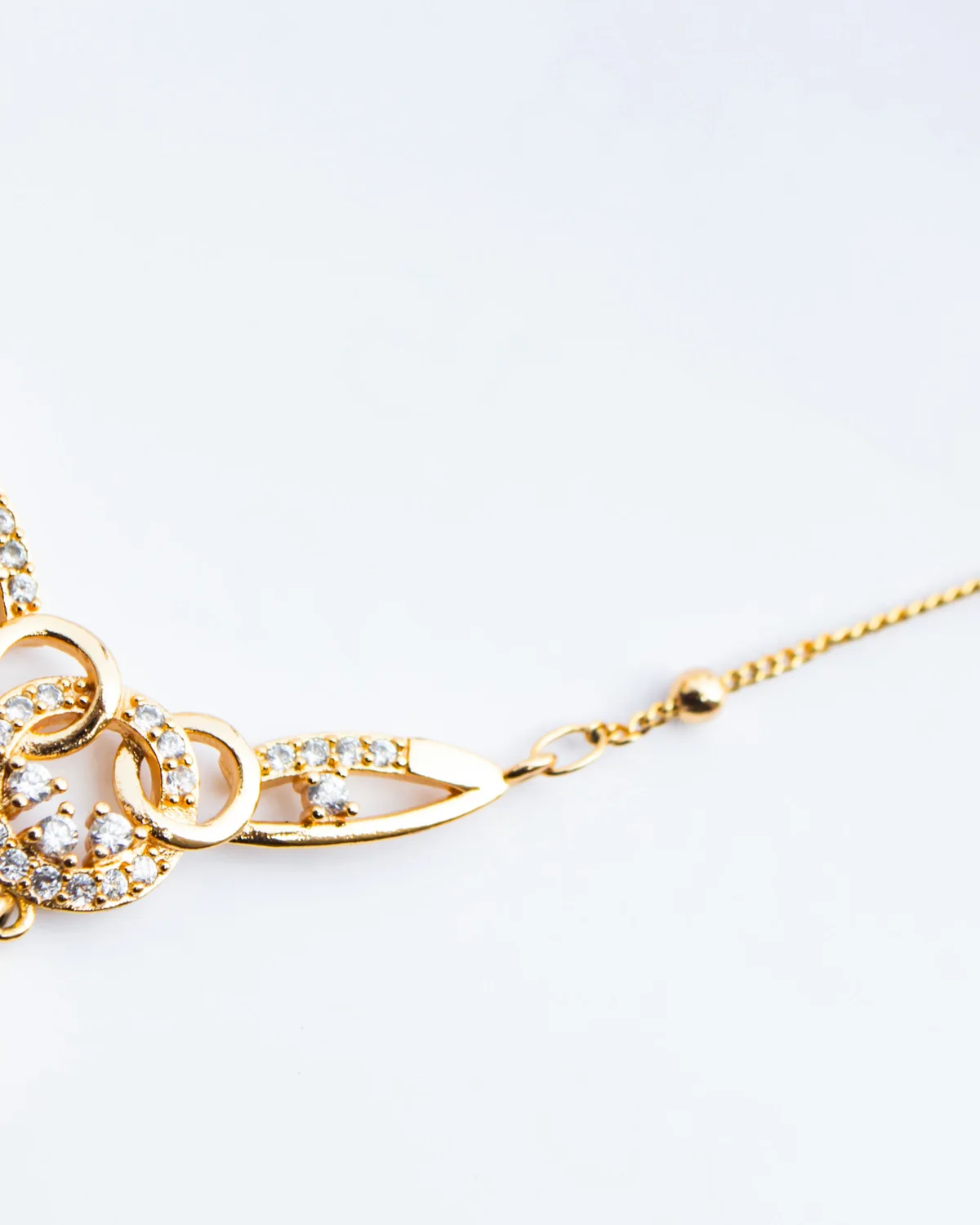
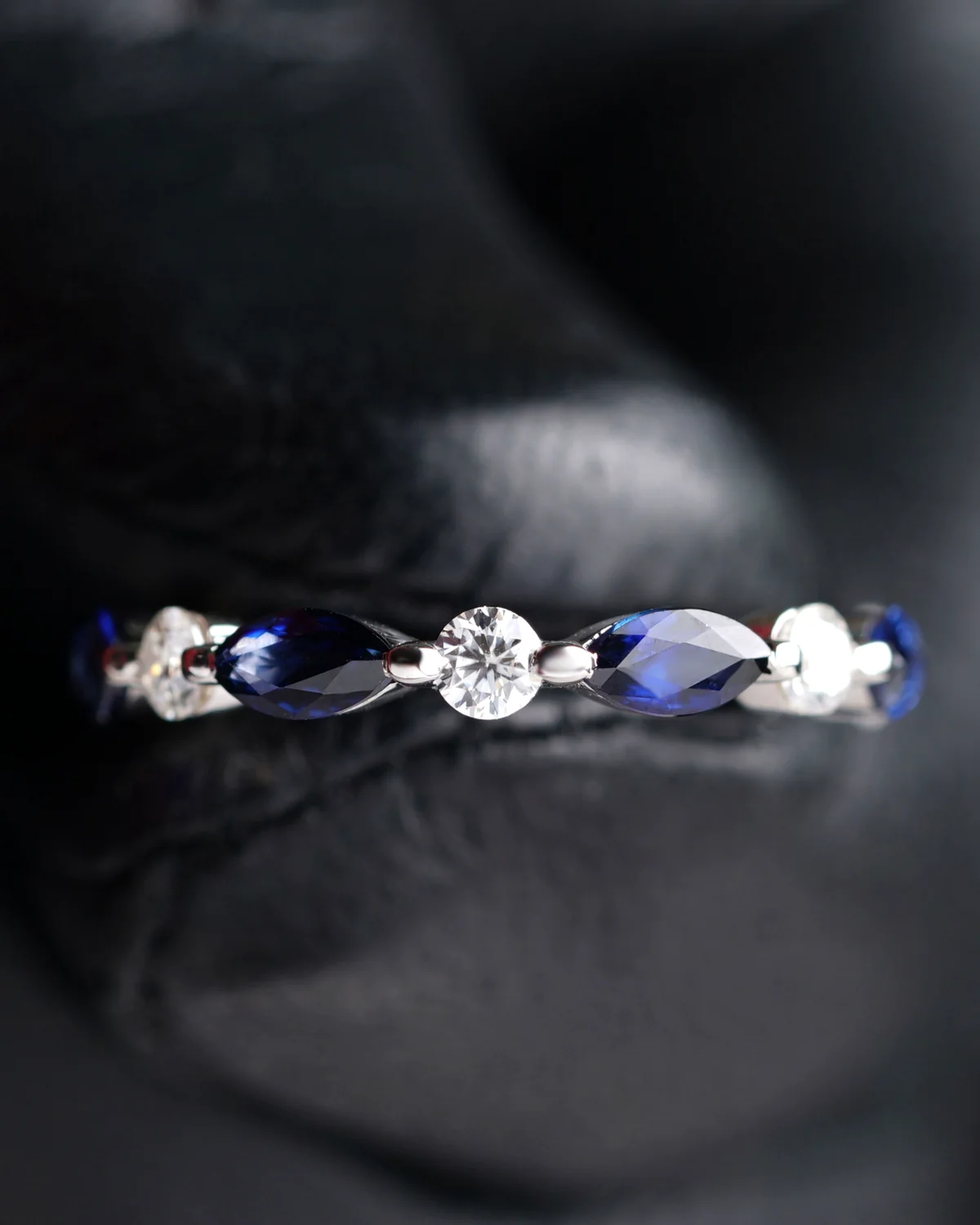

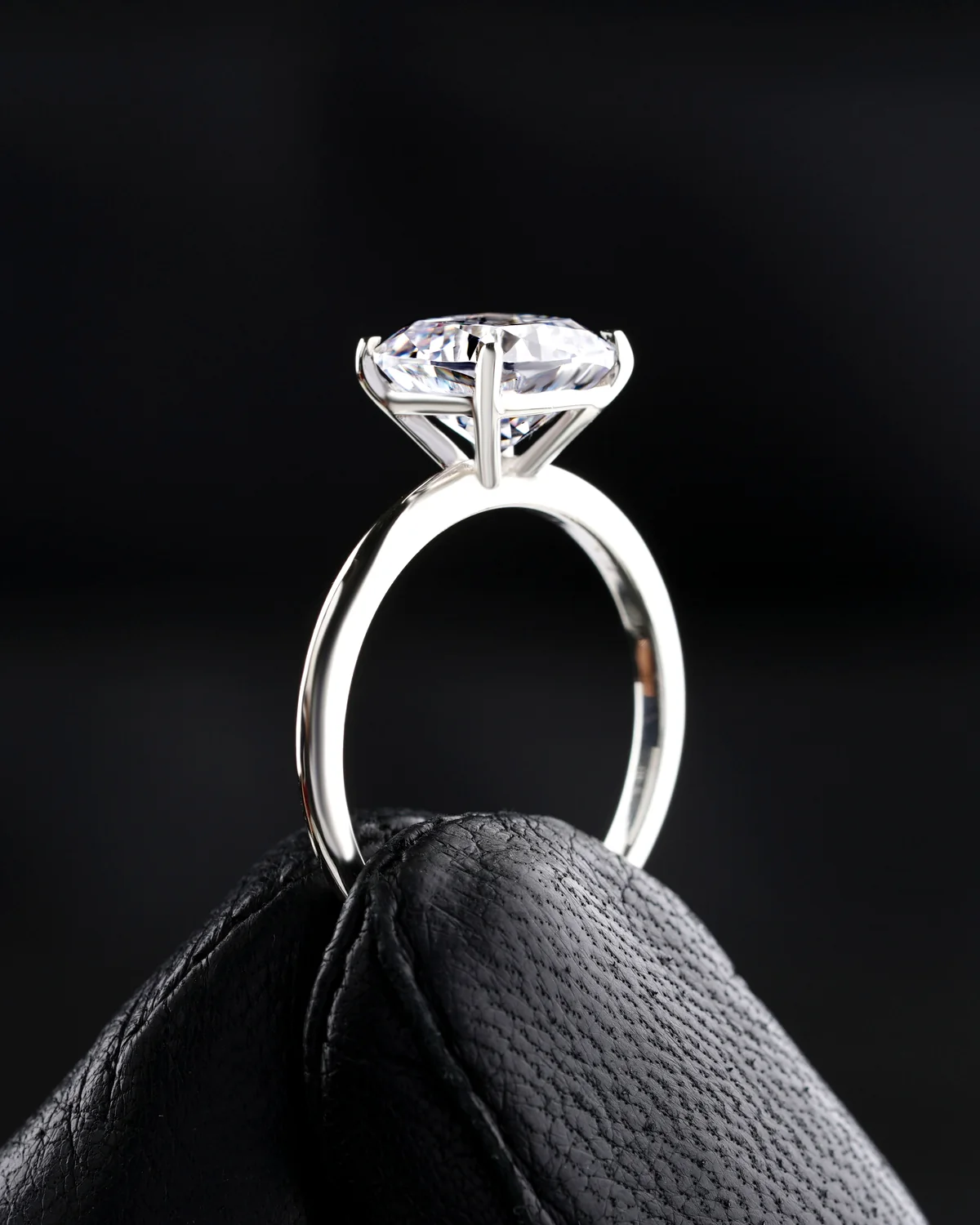
A refined jewellery experience should help a client understand why one option is better suited than another. This page brings together design, gemstone knowledge, manufacturing logic and aftercare around from signet to heirloom. This guide is part of Diamond Kingdom’s documented jewellery knowledge system. It connects design, material, price, durability and aftercare so the customer can move from research to a confident consultation without being forced through a complicated sales process.

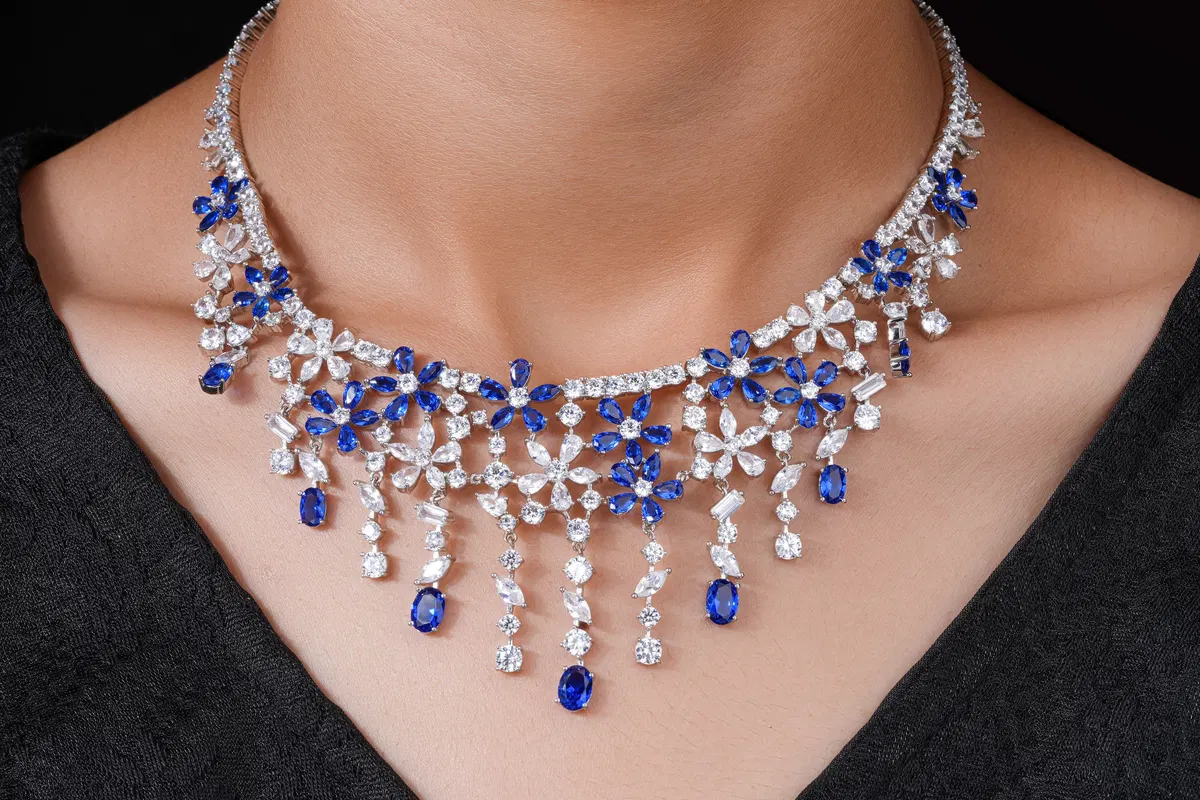
The starting point
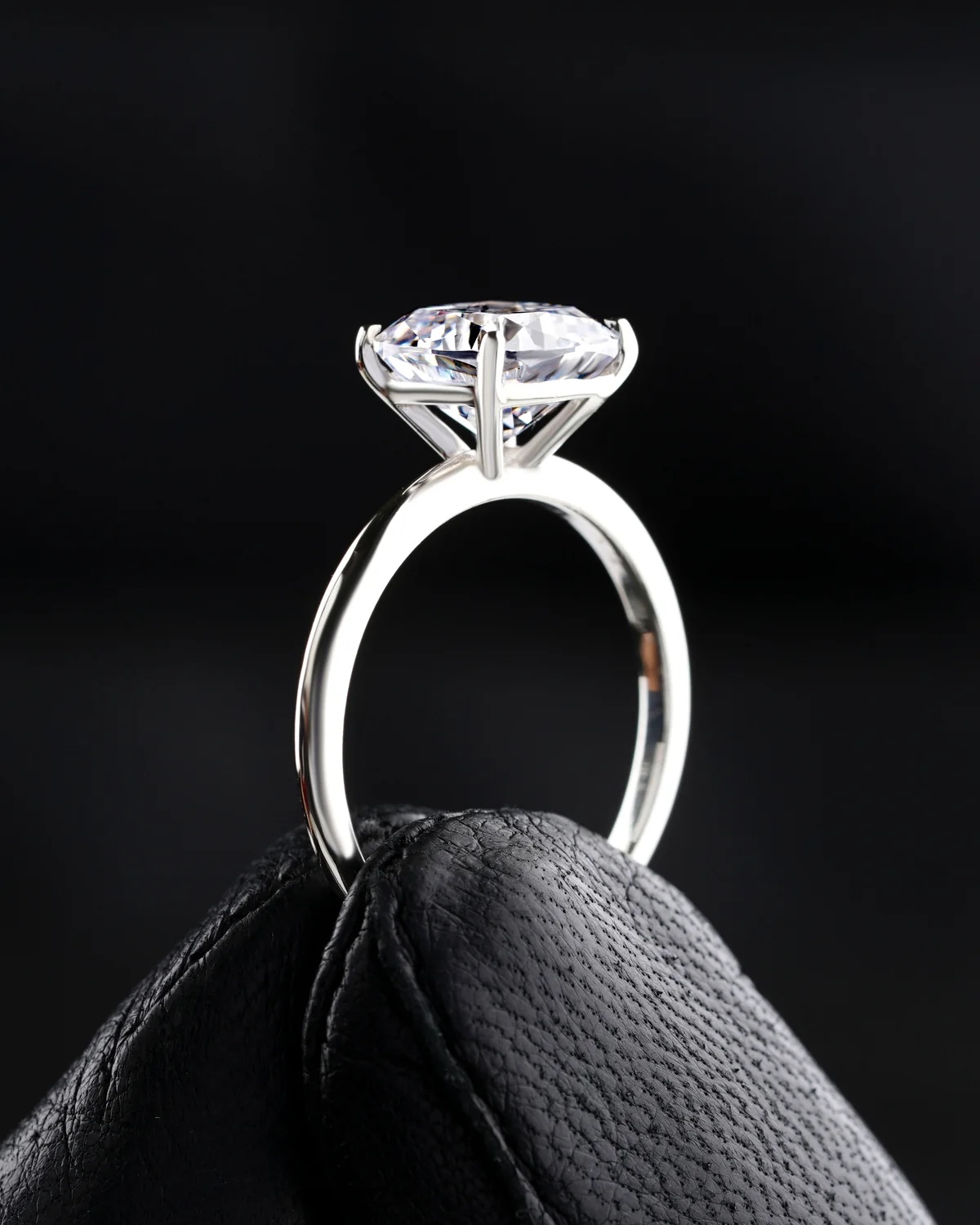
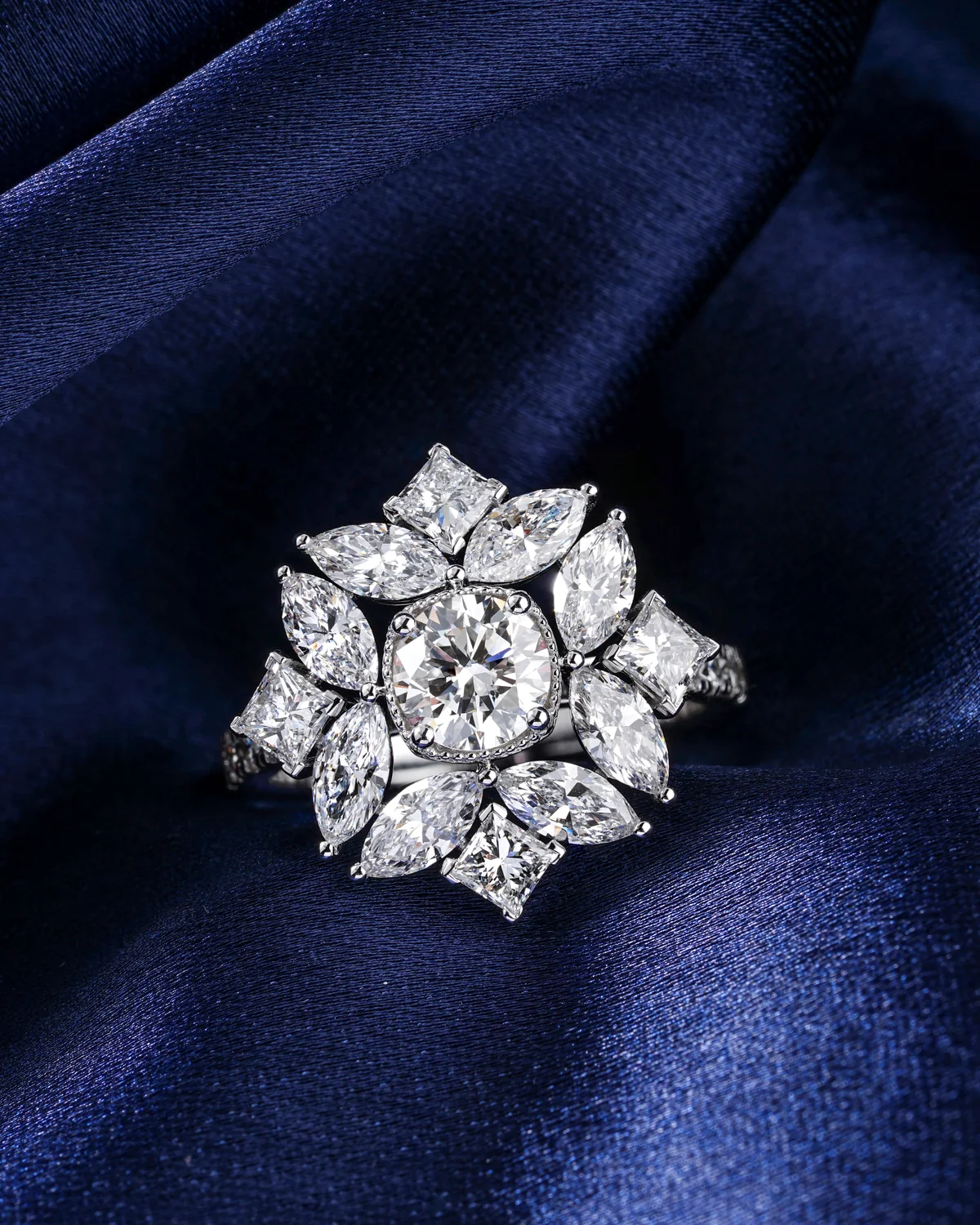
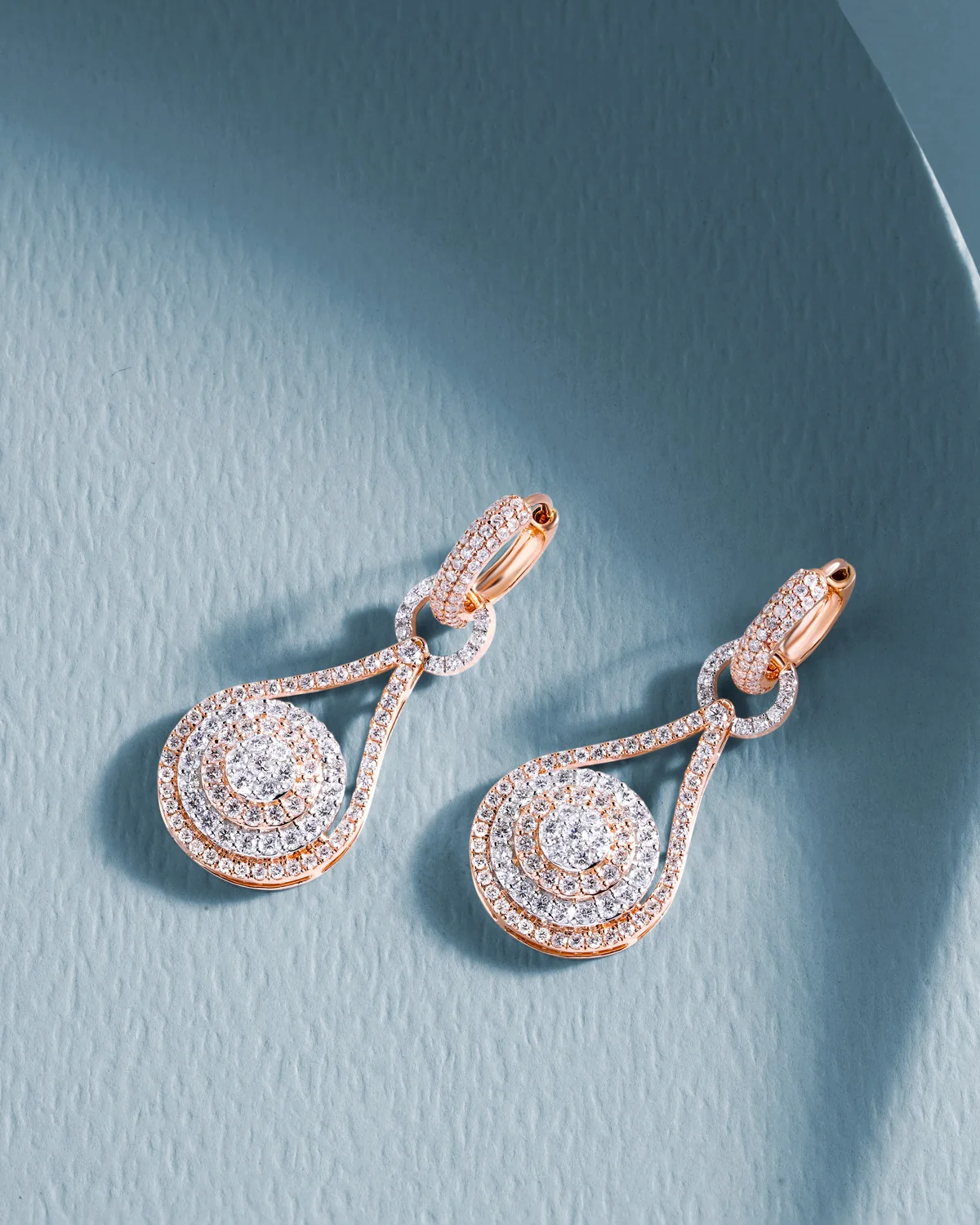
From Signet to Heirloom began with a personal reason rather than a catalogue reference. The client described the occasion, the people involved and the details that needed to remain private or symbolic. Diamond Kingdom translated that information into a practical brief covering how the jewel would be worn, which materials could carry the story and where the design needed restraint.
Finding the visual language
Several directions were compared instead of presenting a single finished answer. Proportion, stone shape, colour, surface and hidden details were refined through conversation. The selected route felt distinctive without becoming difficult to wear, and every decorative element had a clear relationship to the story rather than being added for visual complexity alone.
Stone and material decisions
The gemstone and metal were considered together. Video, dimensions and available documentation supported the stone decision, while renders demonstrated how the metal colour would affect contrast and perceived scale. Alternatives were priced transparently so the client could protect the most important emotional feature without losing control of the budget.
From concept to construction
After design approval, the concept moved into production geometry. Seats, thickness, comfort and finishing access were reviewed before casting or fabrication. The setter and craft team worked from the approved record, and quality control checked stone identity, alignment, movement, polish and the details visible only from the side or inside the piece.
The reveal
The final presentation included the jewel, its documented specifications, care guidance and the narrative behind the design. The reveal was deliberately calm: the objective was not to overwhelm the client with packaging but to allow the proportions, colour and personal detail to become clear. Any final fitting or adjustment was recorded for future service.
What the commission teaches
From Signet to Heirloom demonstrates that bespoke value is created through listening, selection and controlled execution. A meaningful piece does not require the highest possible carat weight or the largest budget. It requires the right hierarchy of decisions and honest information about what the materials can do.
Create your own direction
Customers can use this story as inspiration without reproducing its private design. The Jewellery Finder captures occasion, feeling, stone, metal, lifestyle and investment range, after which a jeweller develops an original route. Customer images and Pinterest links may inform preferences, but the final composition remains a new Diamond Kingdom design.
A practical comparison checklist
Before deciding on From Signet to Heirloom, compare the exact object rather than only the category name. Record the stone identity, natural or laboratory-grown status, treatment, dimensions, certificate wording, face-up appearance, metal fineness, estimated finished weight, setting profile, production time, resizing limits, warranty and aftercare. Ask which elements are fixed and which are estimates. Save photographs and the approved specification in one place so that later changes can be checked against the original brief. A strong decision is not the option with the longest specification; it is the option whose visible beauty, durability, meaning and cost are aligned with the wearer.
How Diamond Kingdom turns research into a commission
The next step after researching From Signet to Heirloom is a short discovery brief. It captures occasion, wearer, style, preferred colour, lifestyle, investment range, deadline and any customer-owned material. A jeweller then removes unsuitable combinations, explains the remaining trade-offs and prepares a stone shortlist or design direction. Visual concepts are labelled as concepts until exact geometry is confirmed. The approved CAD records dimensions and construction, after which the workshop confirms manufacturing and quality-control stages. This controlled sequence keeps the digital experience creative while preventing an attractive image from being mistaken for a safe production file.