
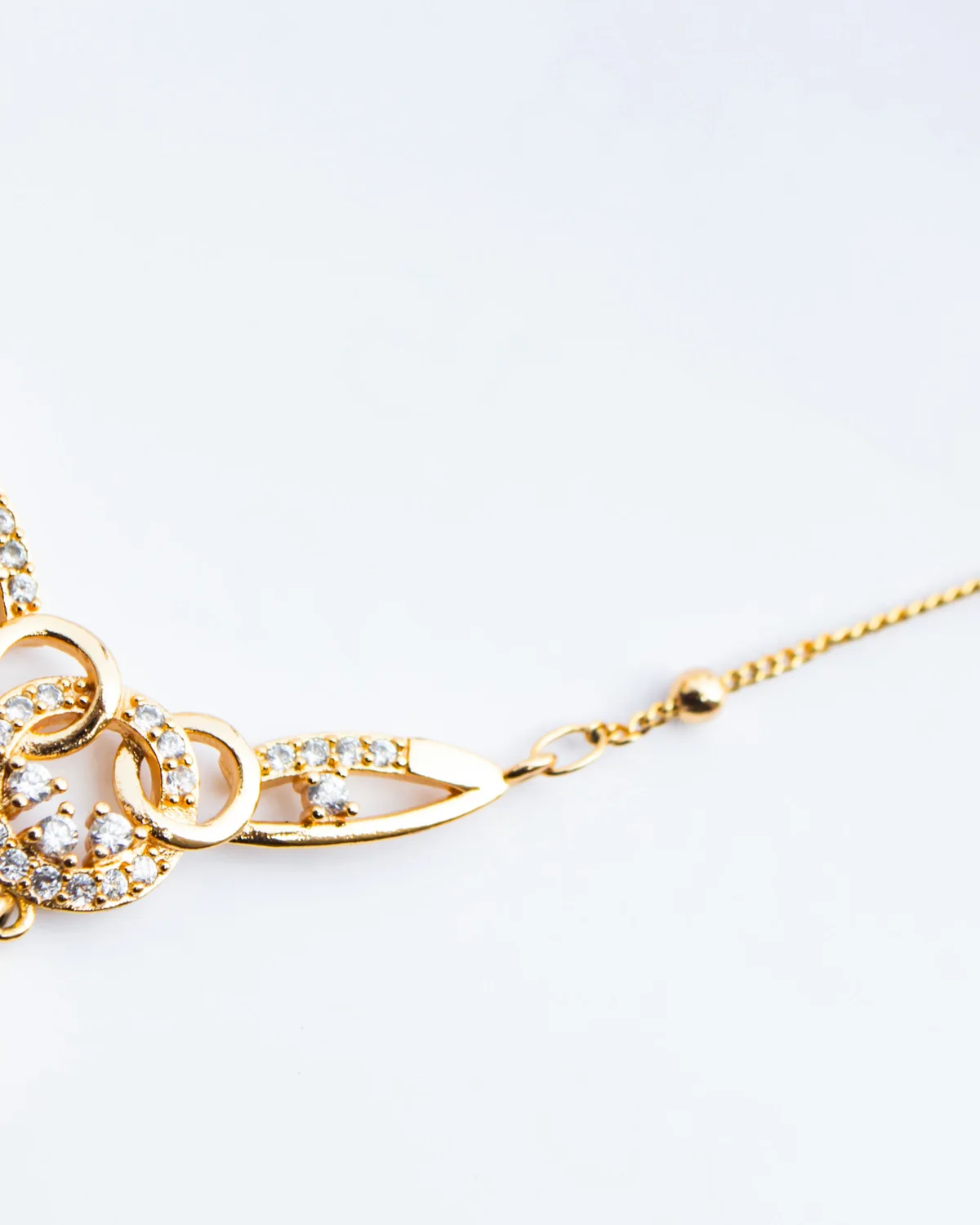
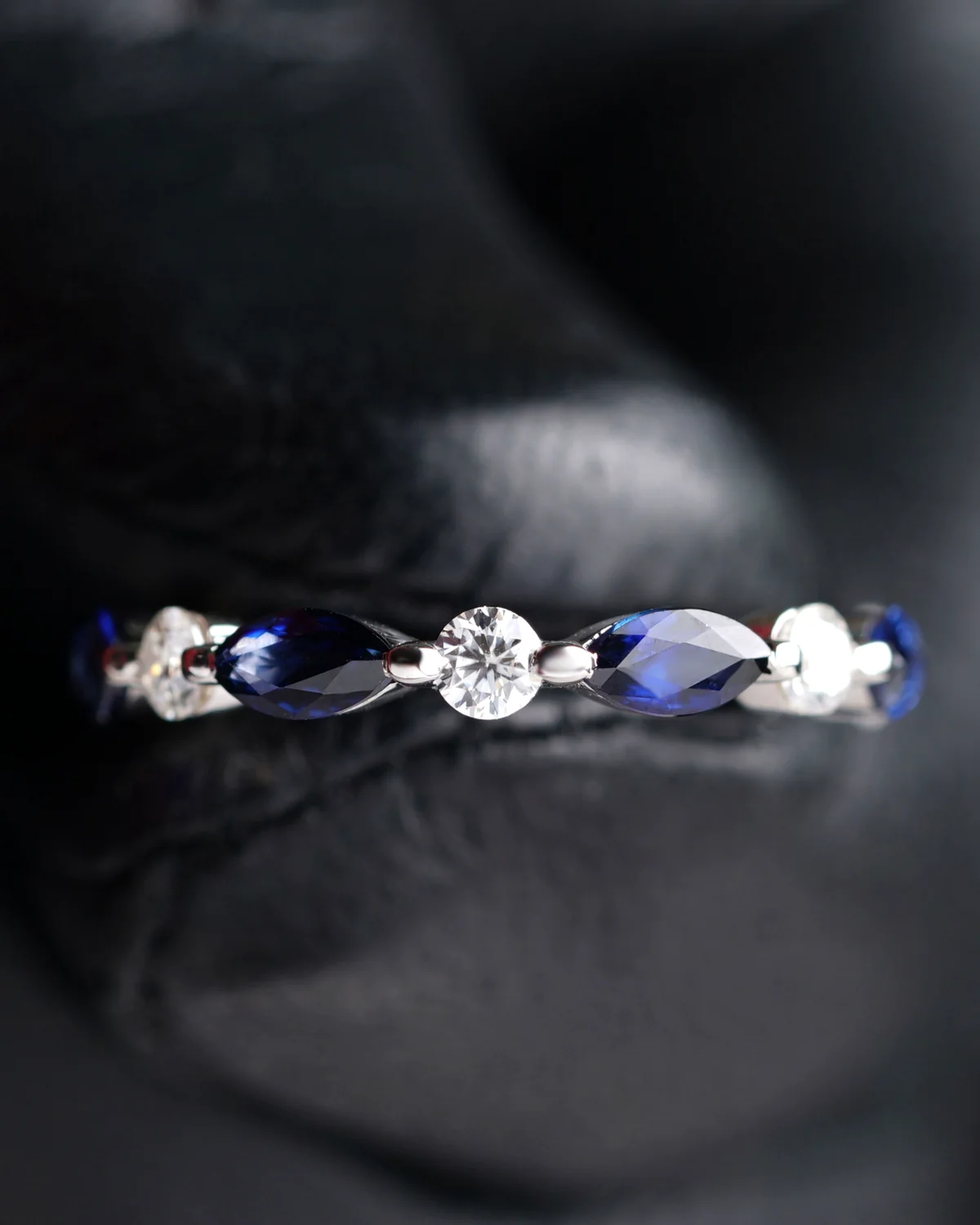
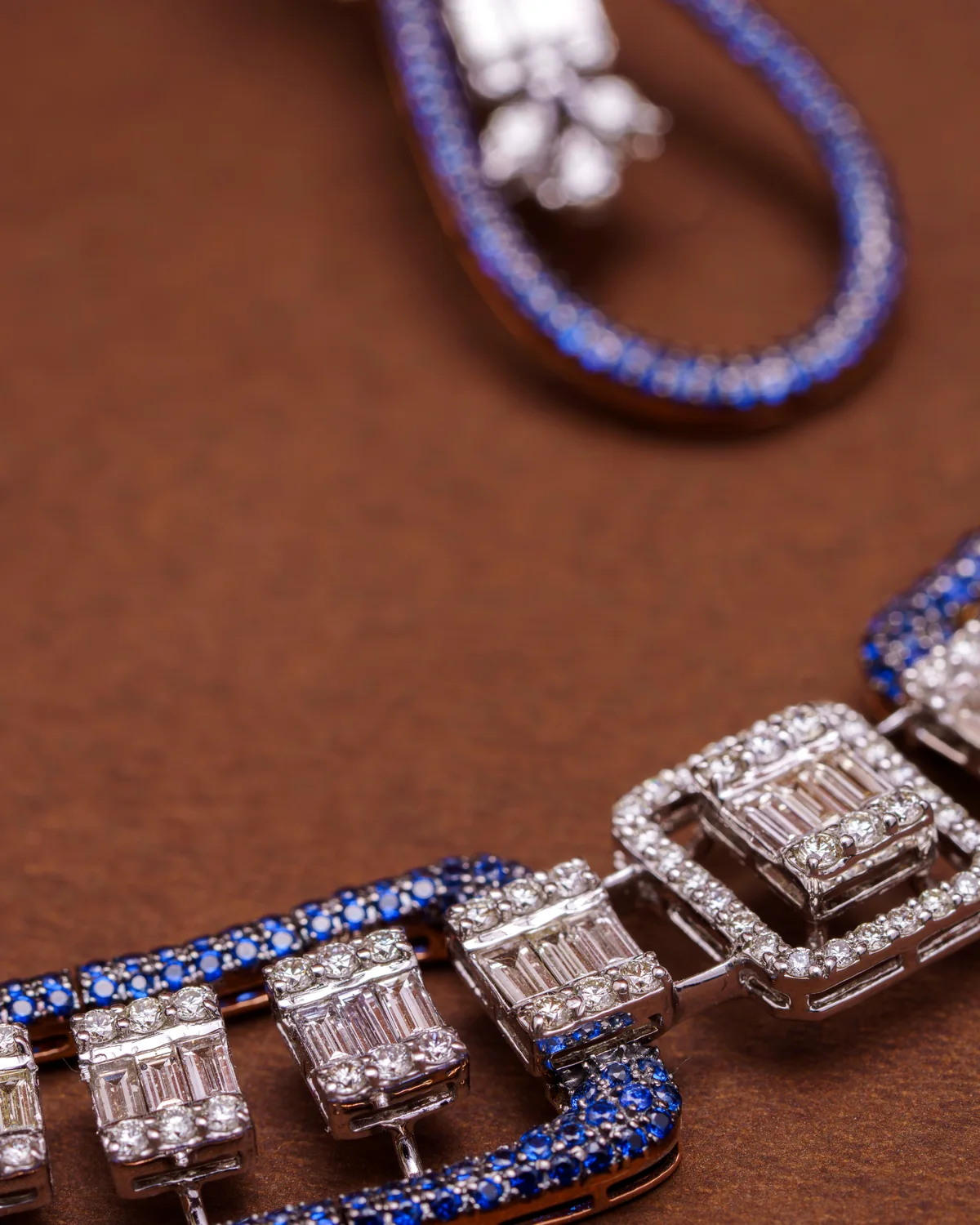
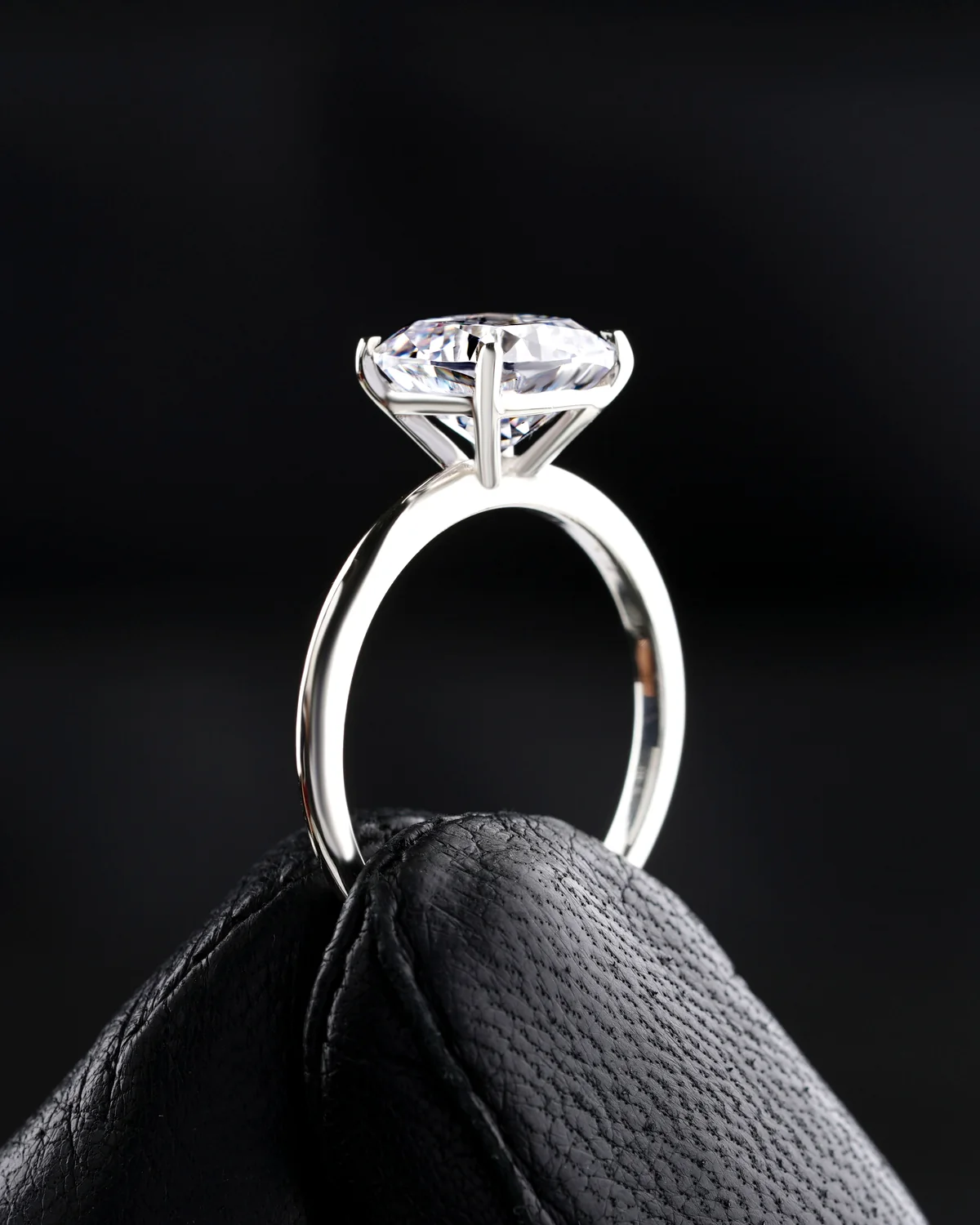
A refined jewellery experience should help a client understand why one option is better suited than another. This page brings together design, gemstone knowledge, manufacturing logic and aftercare around 18k white gold. This guide is part of Diamond Kingdom’s documented jewellery knowledge system. It connects design, material, price, durability and aftercare so the customer can move from research to a confident consultation without being forced through a complicated sales process.
What 18K White Gold means
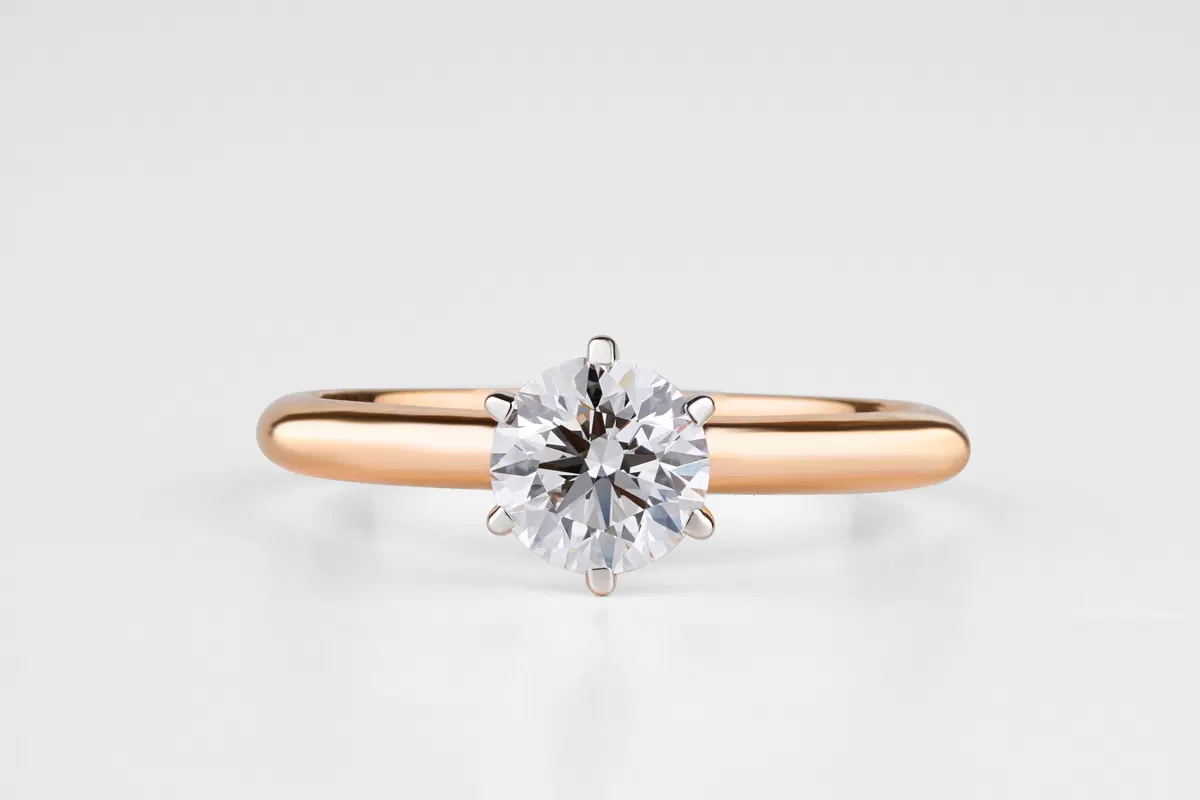
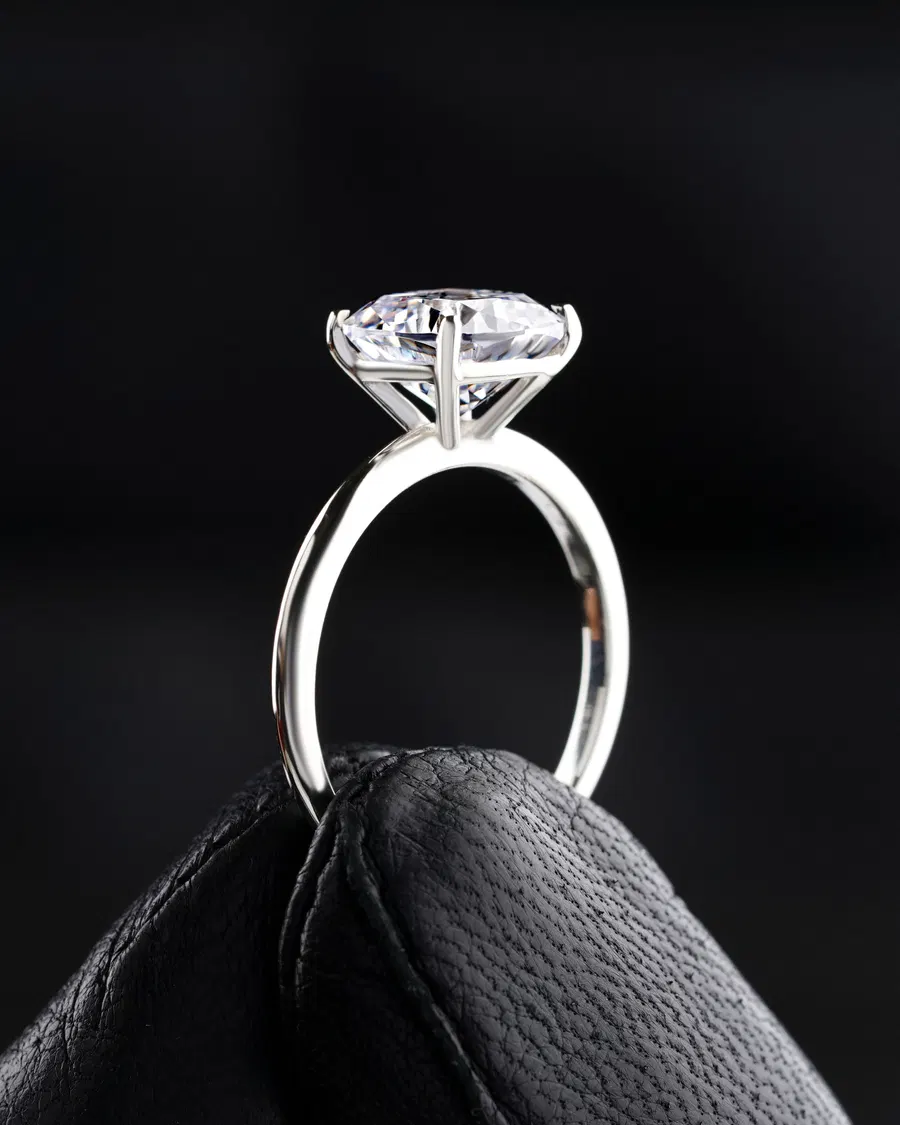
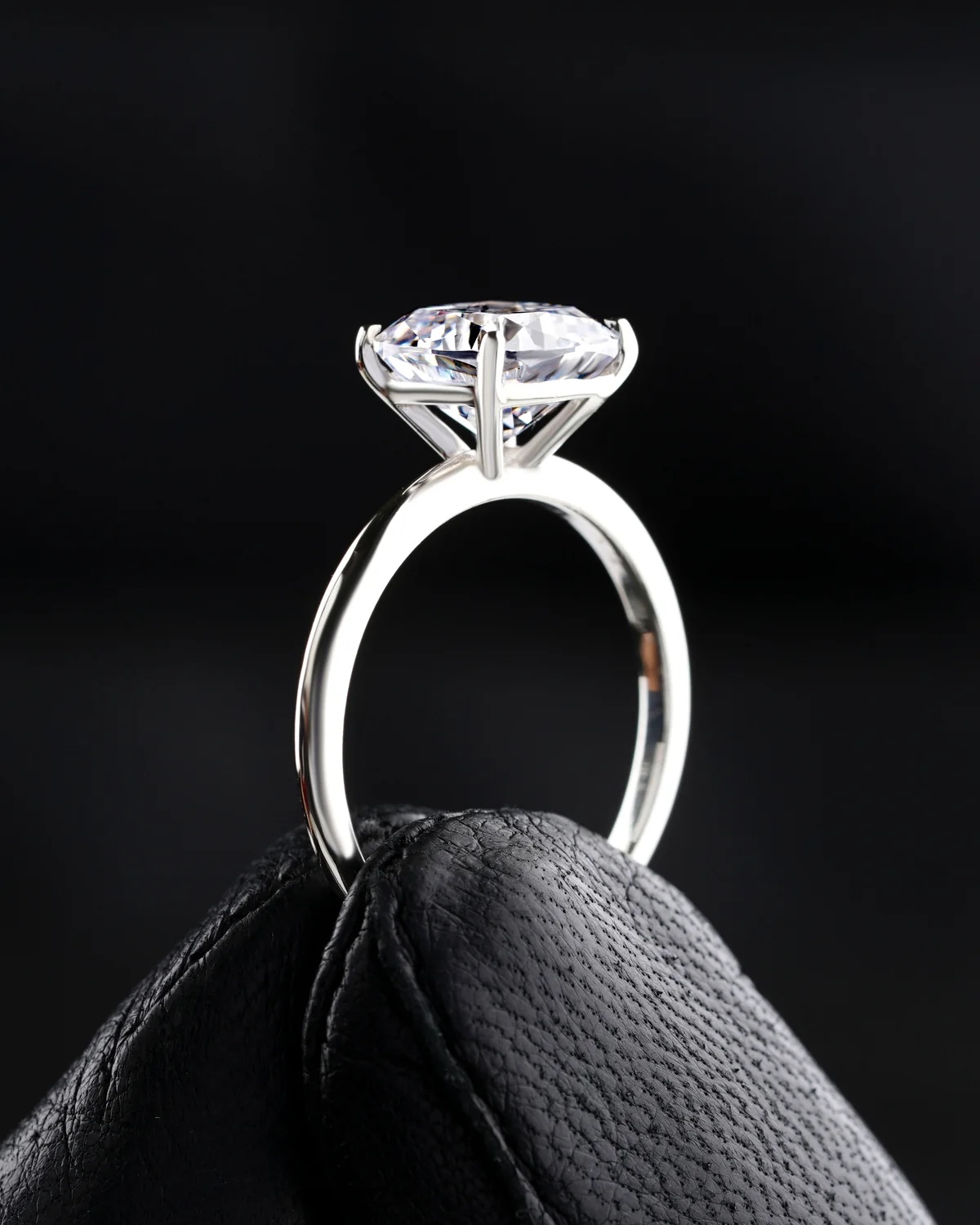
18K White Gold is defined by 75% gold and presents cool white, usually enhanced with rhodium plating. The name alone does not explain how a jewel will feel, wear or age. Diamond Kingdom records fineness, approximate finished weight, surface treatment, plating where relevant and any practical resizing limitations. This makes the material decision part of the design process rather than an afterthought.
Colour and gemstone compatibility
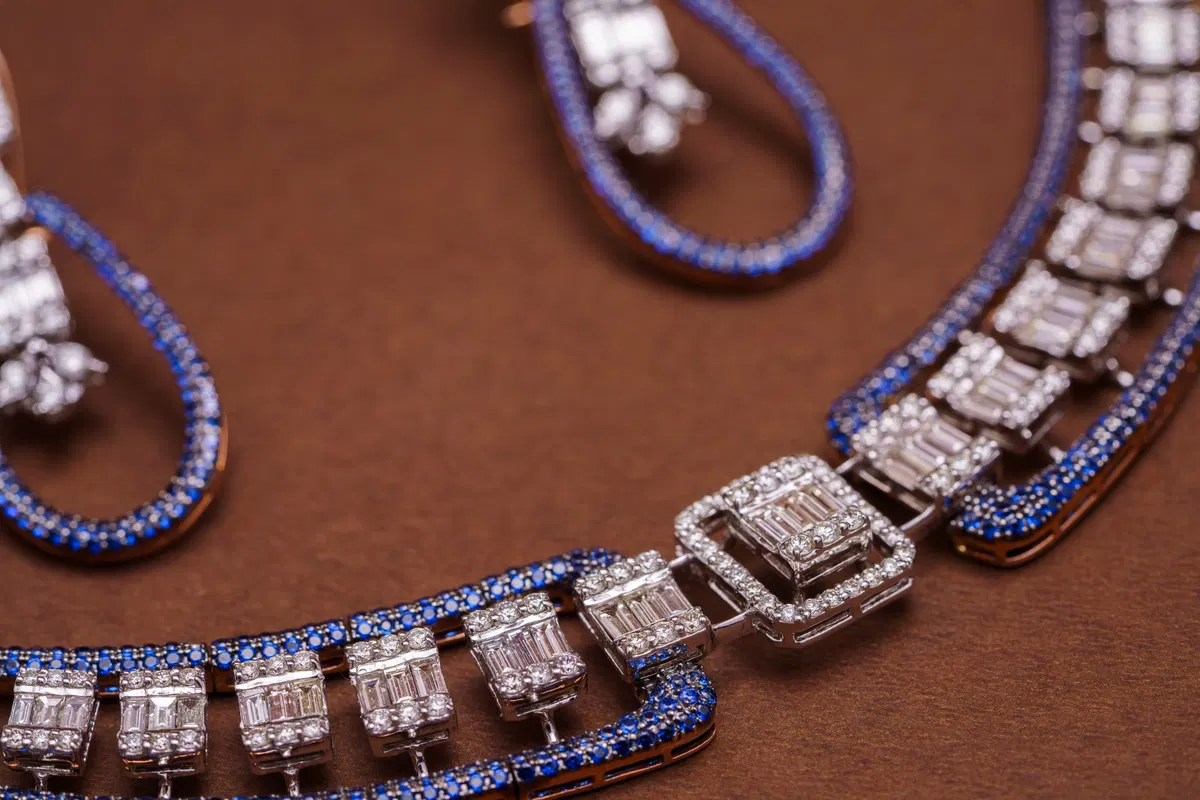
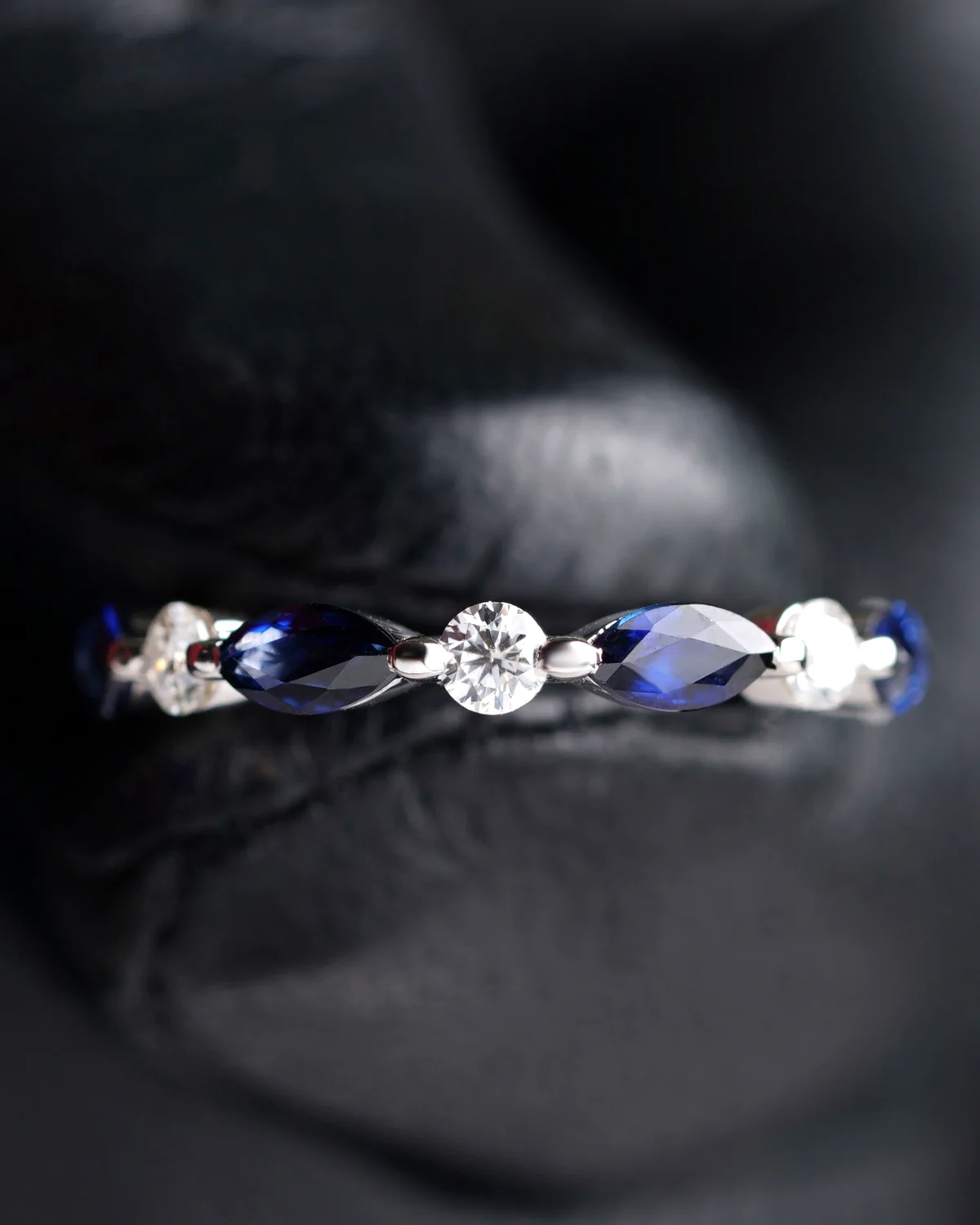
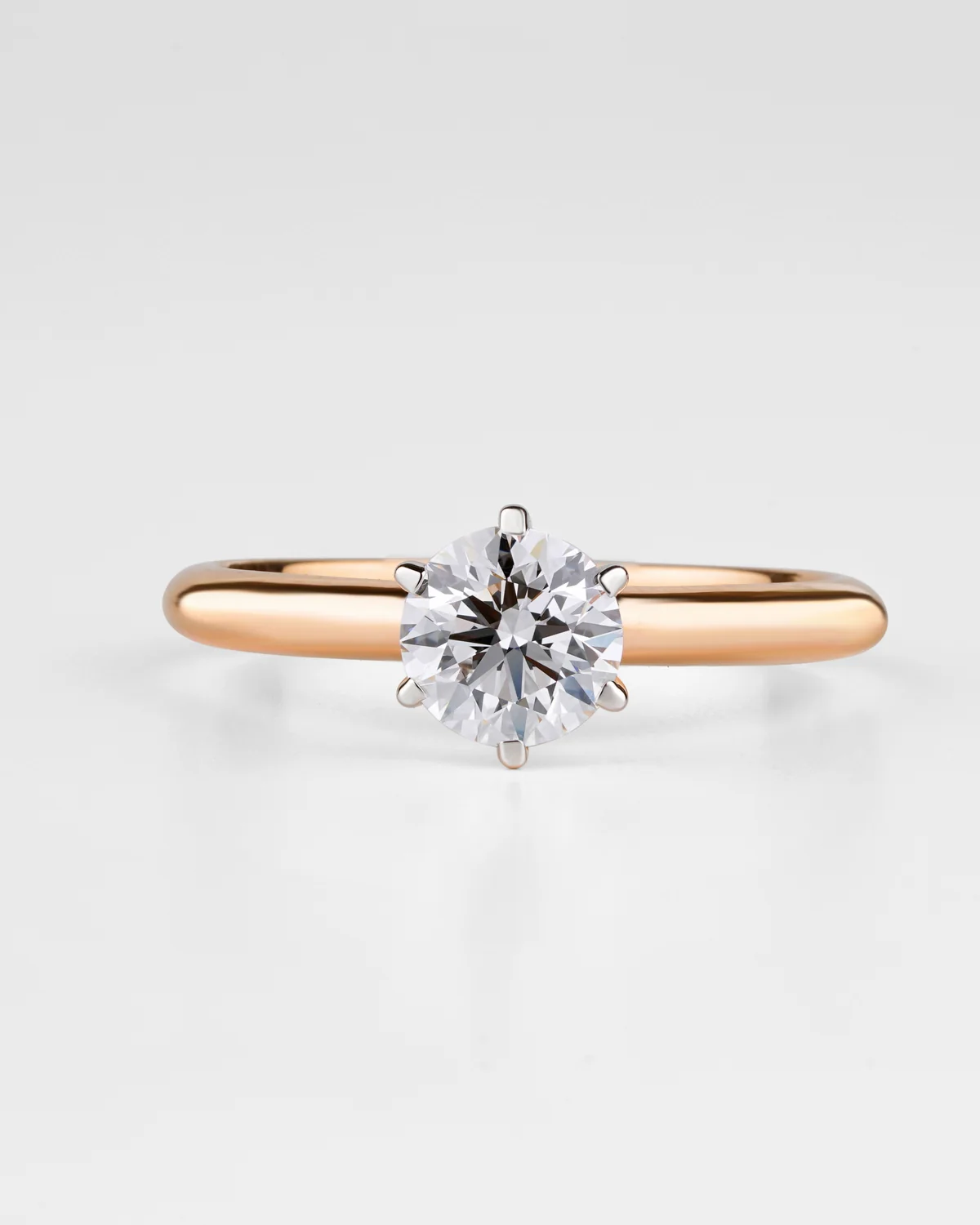
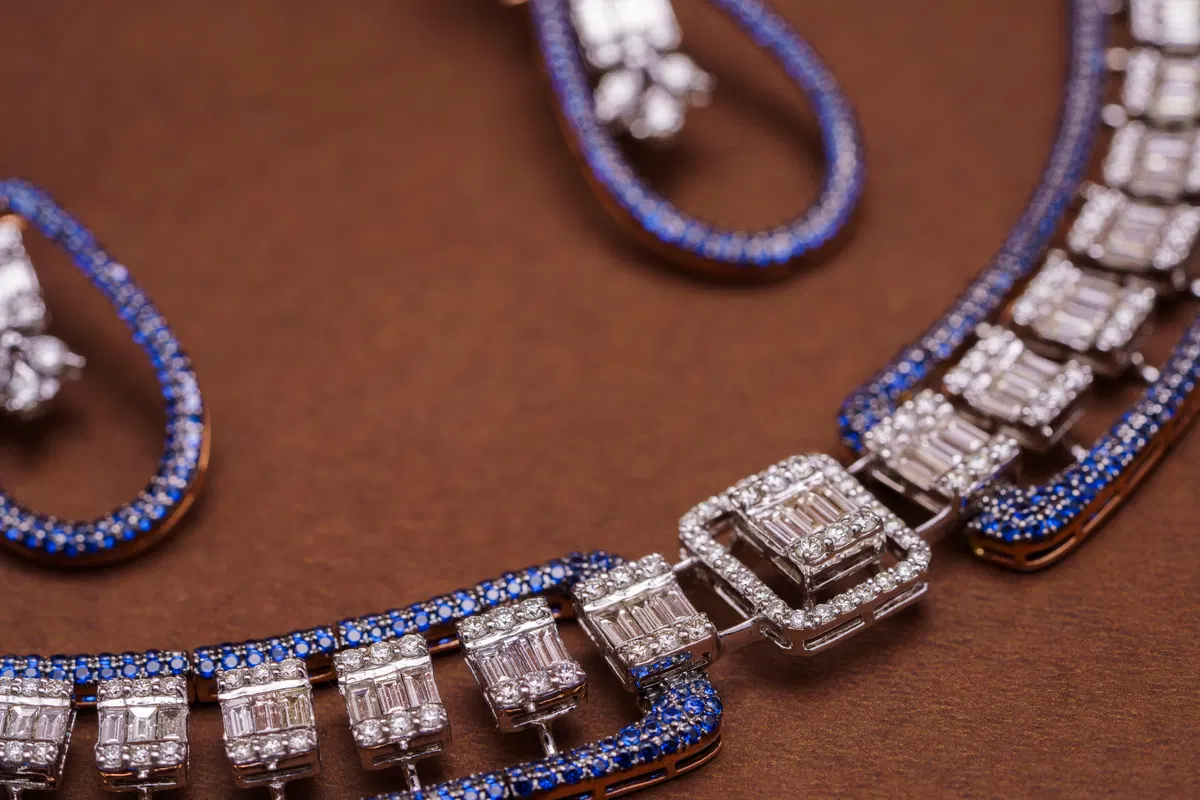
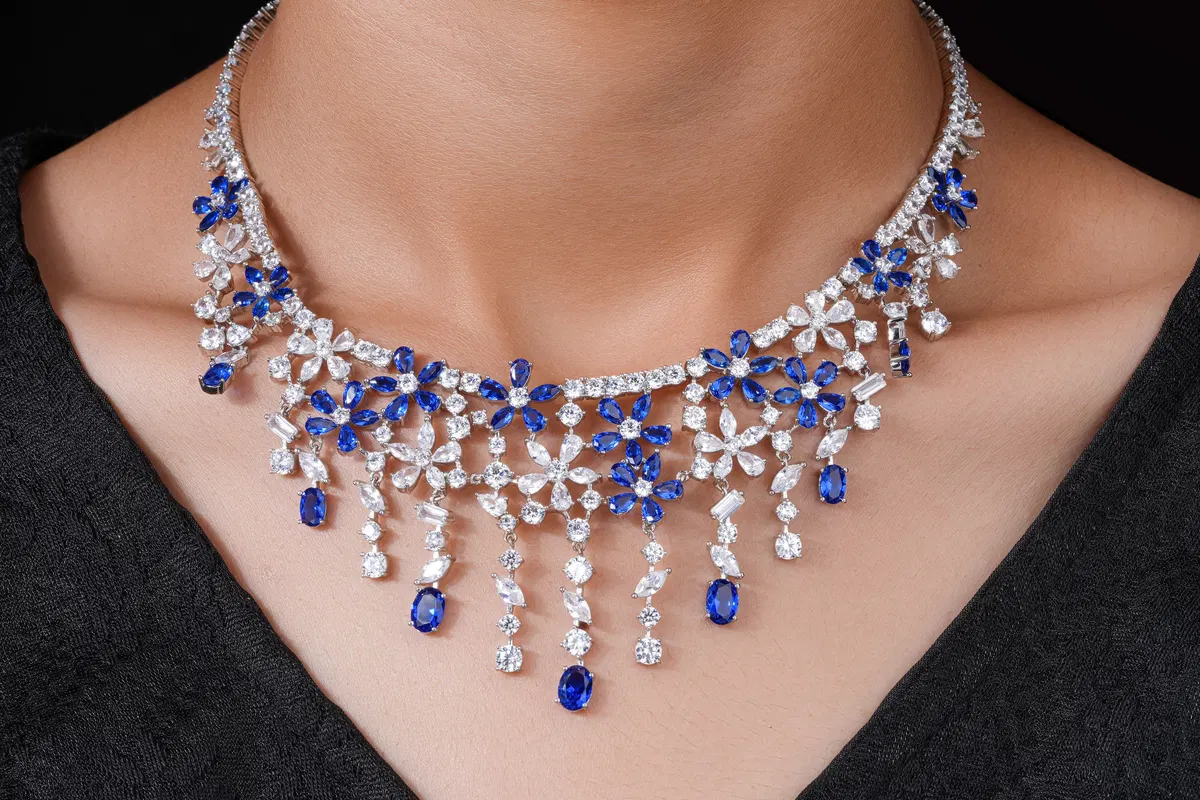
Metal colour changes the way a gemstone is perceived. Warm metals can intensify yellow, peach and certain blue stones, while white metals create stronger separation around colourless diamonds and cool sapphires. We compare the actual stone against metal samples and renders because photography can exaggerate or neutralise subtle differences. The chosen alloy should support the visual intention without compromising the wearer’s comfort or long-term maintenance expectations.
Durability, weight and comfort
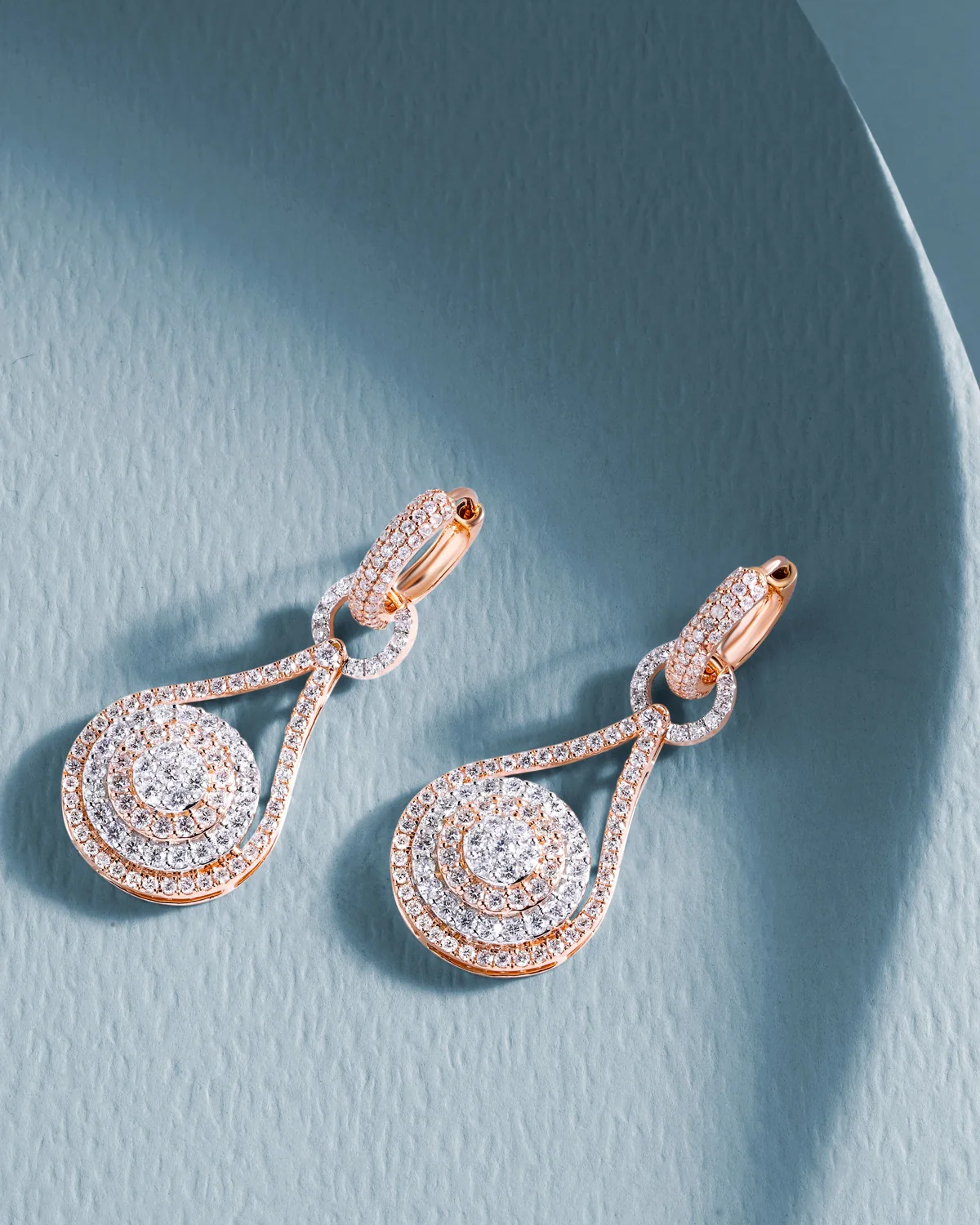
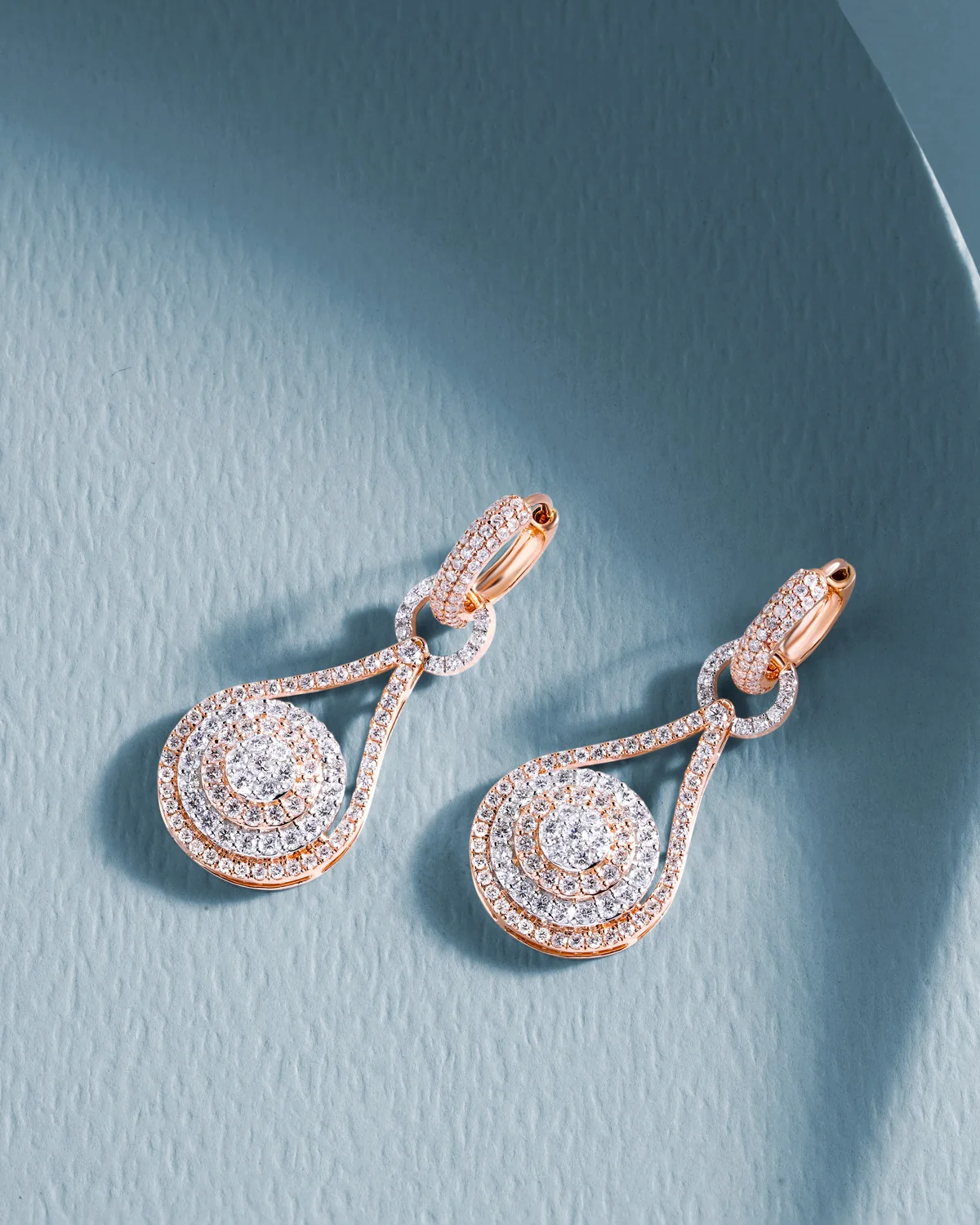
The principal advantage is strong diamond contrast with periodic replating requirements. Finished comfort depends on density, band width, internal profile, overall weight and how the jewel distributes pressure. A broad ring may need a comfort-fit interior; earrings require careful weight control; articulated bracelets need joint and clasp testing. Our CAD and production review records minimum thickness and stress points before a piece is approved.
Where it works best
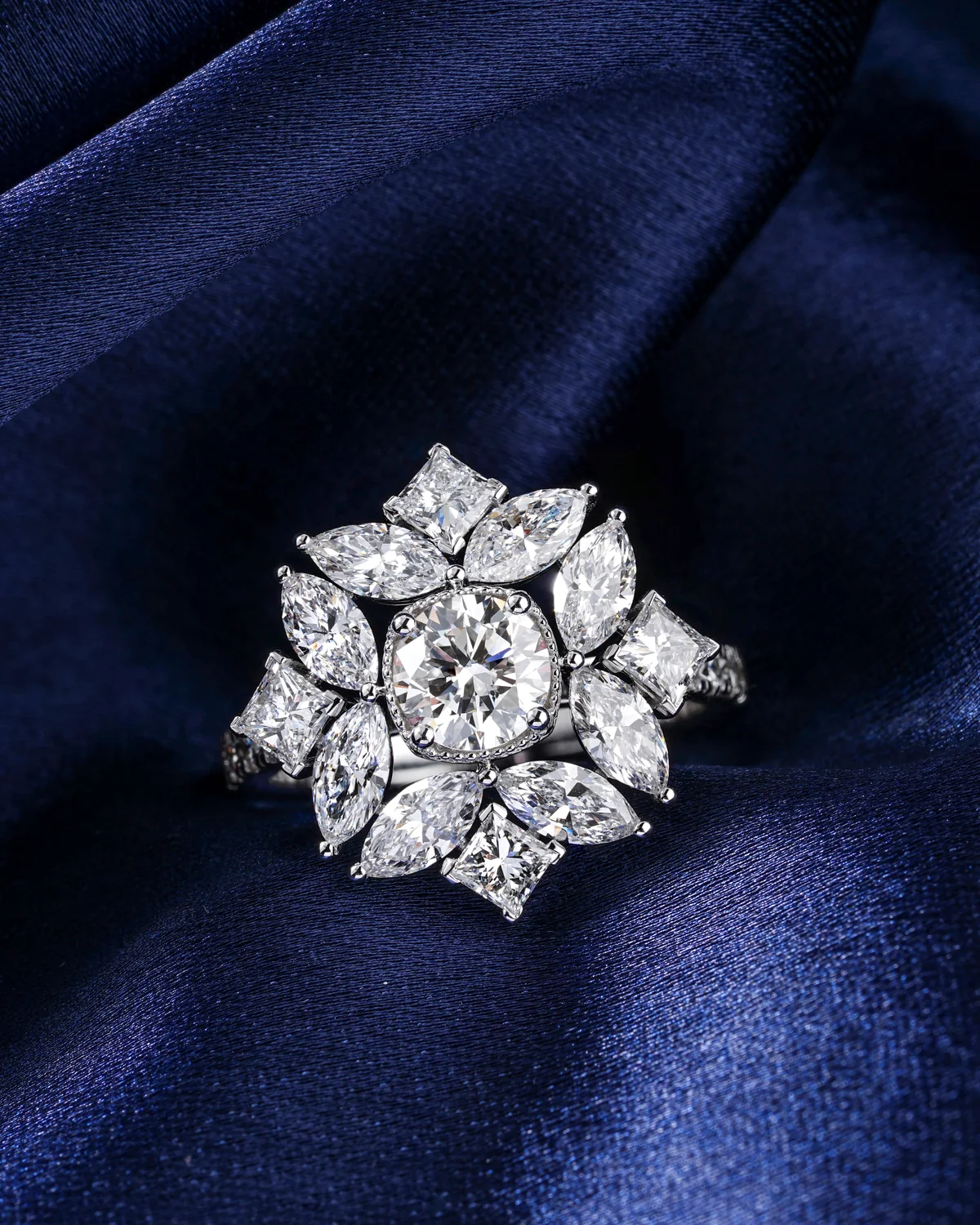
18K White Gold is especially effective for bridal and refined modern designs. It may not be ideal for every design. Very fine pavé, repeated resizing, tension constructions or complex mixed-metal joints can impose additional restrictions. We explain these boundaries before design approval so the customer can choose between visual ambition, durability and future adaptability with confidence.
Fineness, hallmarking and disclosure
Every quotation should identify the metal and fineness clearly. Hallmarking requirements vary by country and product weight, so the final route is confirmed according to the place of manufacture and delivery. Plated surfaces are disclosed separately from the underlying alloy. Where recycled material or customer-owned gold is used, the intake, refining and final assay steps are documented rather than implied.
Cost and maintenance
Material cost is calculated from estimated finished weight, internal procurement rate, alloy or fabrication premium, production loss and the work required to finish the piece. The raw metal price is only one element. Recommended ownership care includes replating and polishing as wear develops. Quotations remain estimates until the design volume, stone seats and manufacturing route have been approved.
Choosing with Diamond Kingdom
The best choice is made by considering skin tone, daily routine, gemstone colour, desired weight, budget, resizing needs and the finish the customer wants to see years from now. Our configurator provides a visual comparison, while the jeweller confirms construction and maintenance consequences. This combination keeps the experience simple without hiding technical decisions.
A practical comparison checklist
Before deciding on 18K White Gold, compare the exact object rather than only the category name. Record the stone identity, natural or laboratory-grown status, treatment, dimensions, certificate wording, face-up appearance, metal fineness, estimated finished weight, setting profile, production time, resizing limits, warranty and aftercare. Ask which elements are fixed and which are estimates. Save photographs and the approved specification in one place so that later changes can be checked against the original brief. A strong decision is not the option with the longest specification; it is the option whose visible beauty, durability, meaning and cost are aligned with the wearer.
How Diamond Kingdom turns research into a commission
The next step after researching 18K White Gold is a short discovery brief. It captures occasion, wearer, style, preferred colour, lifestyle, investment range, deadline and any customer-owned material. A jeweller then removes unsuitable combinations, explains the remaining trade-offs and prepares a stone shortlist or design direction. Visual concepts are labelled as concepts until exact geometry is confirmed. The approved CAD records dimensions and construction, after which the workshop confirms manufacturing and quality-control stages. This controlled sequence keeps the digital experience creative while preventing an attractive image from being mistaken for a safe production file.