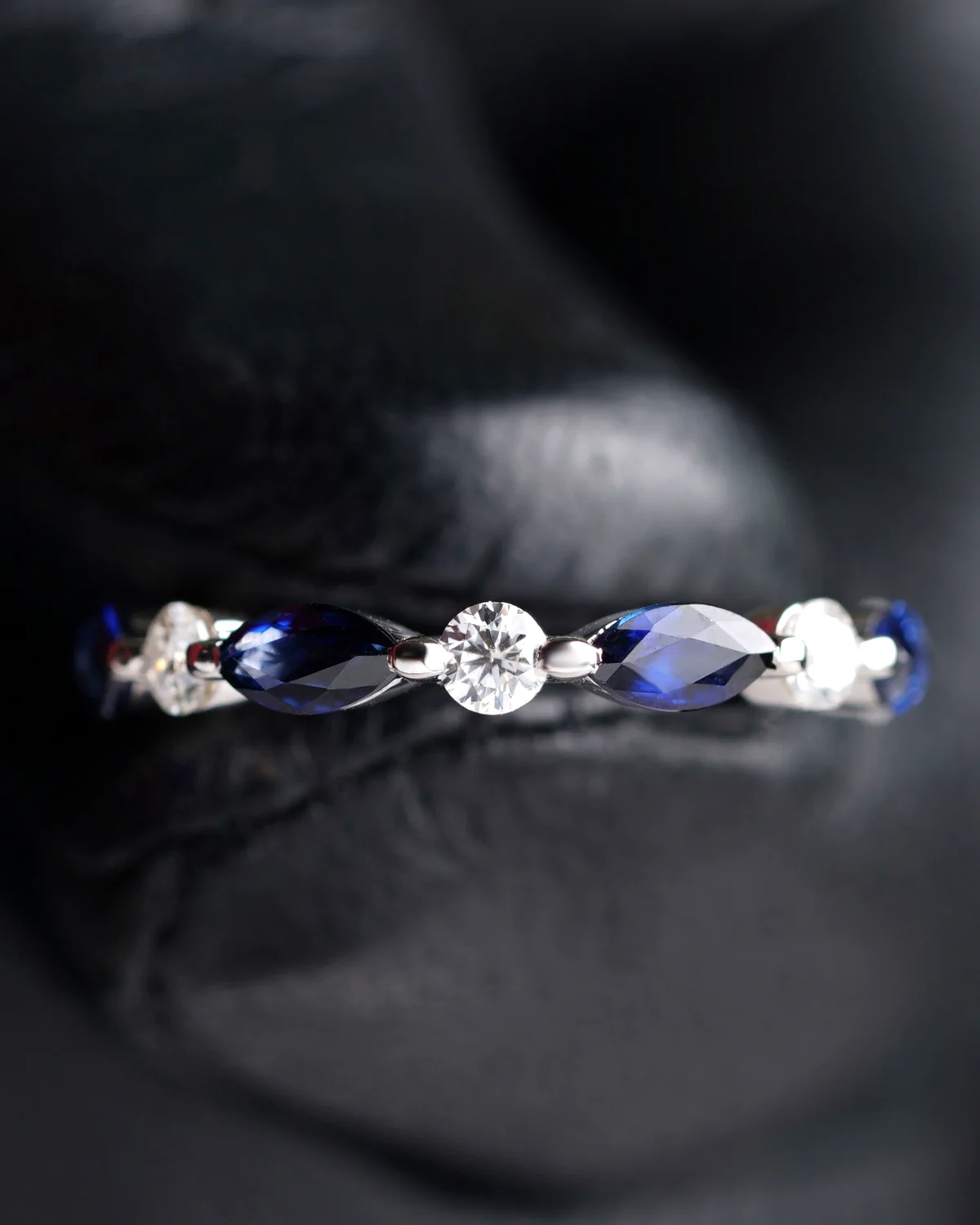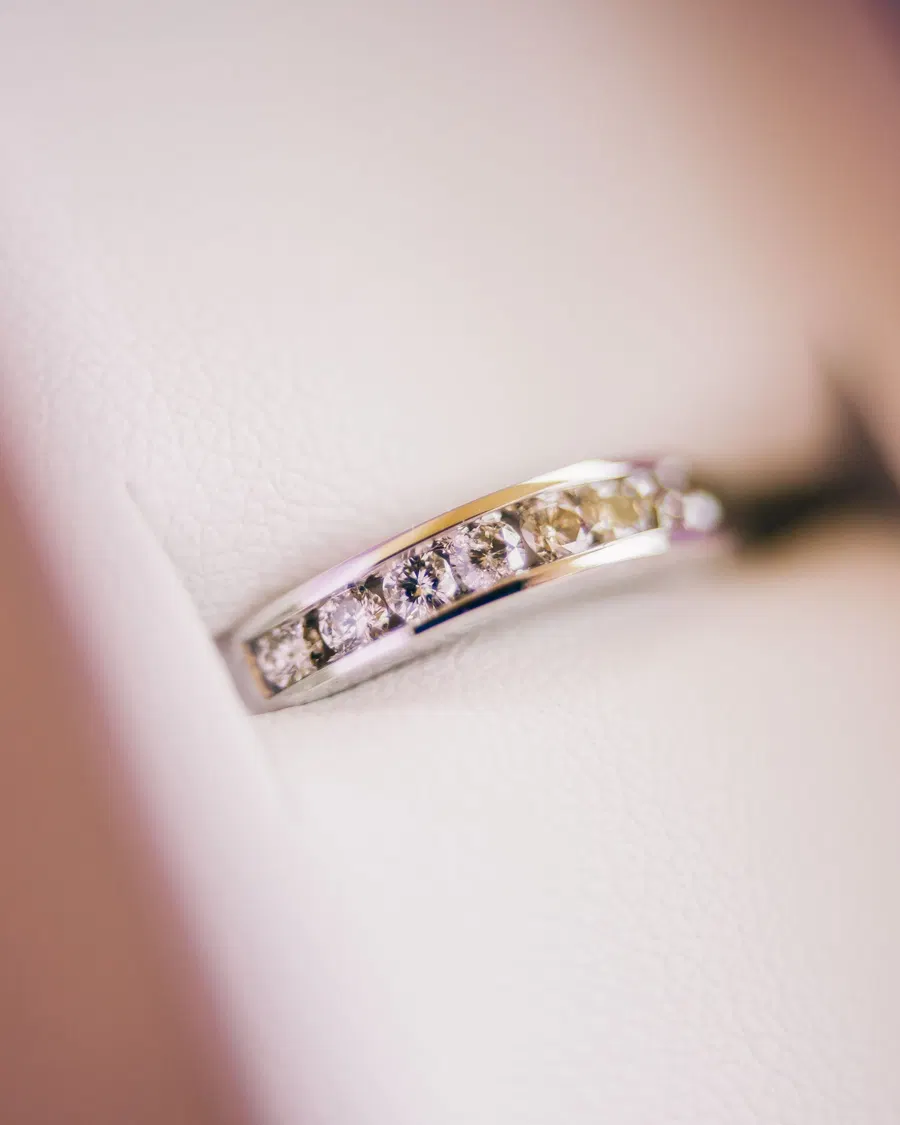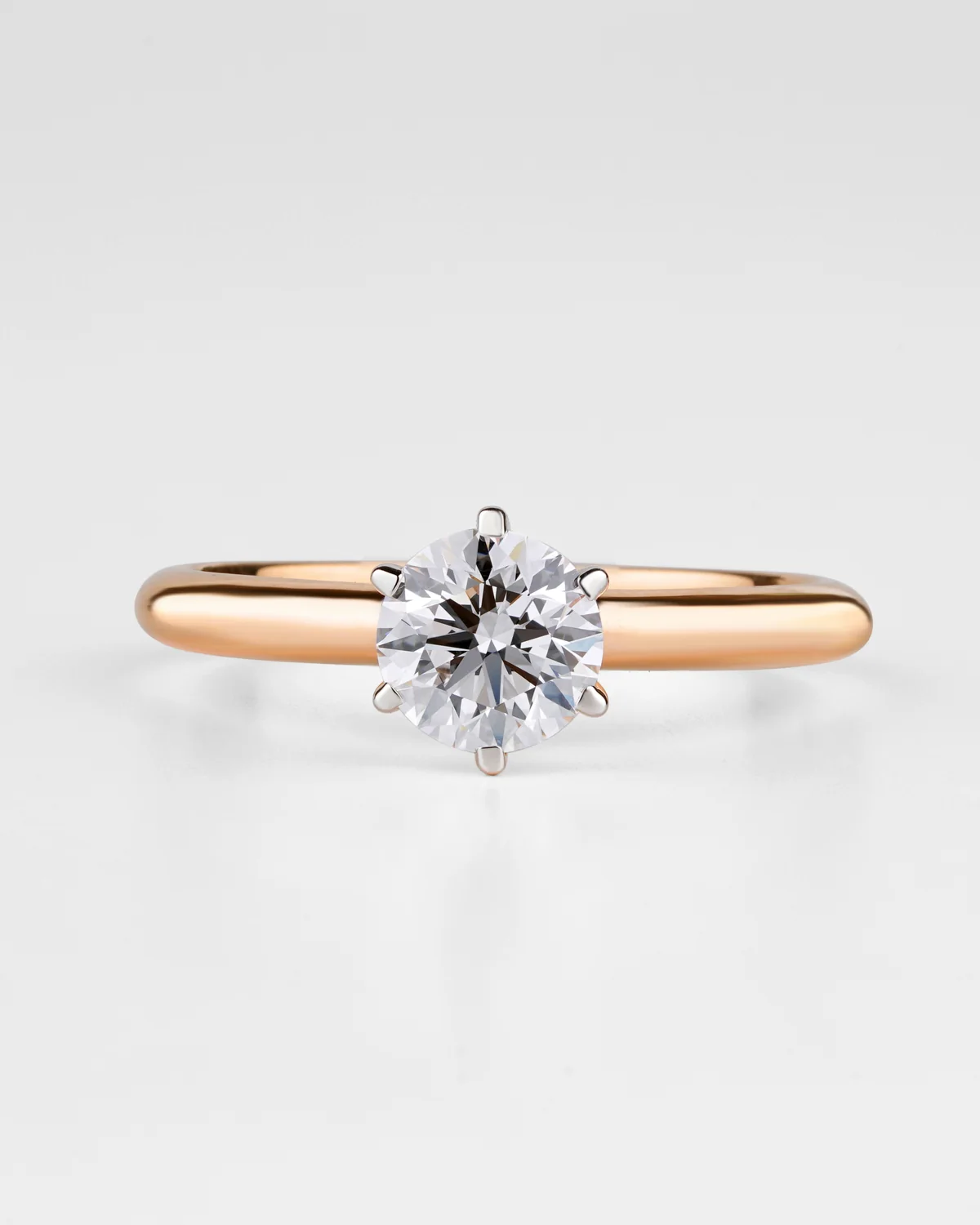

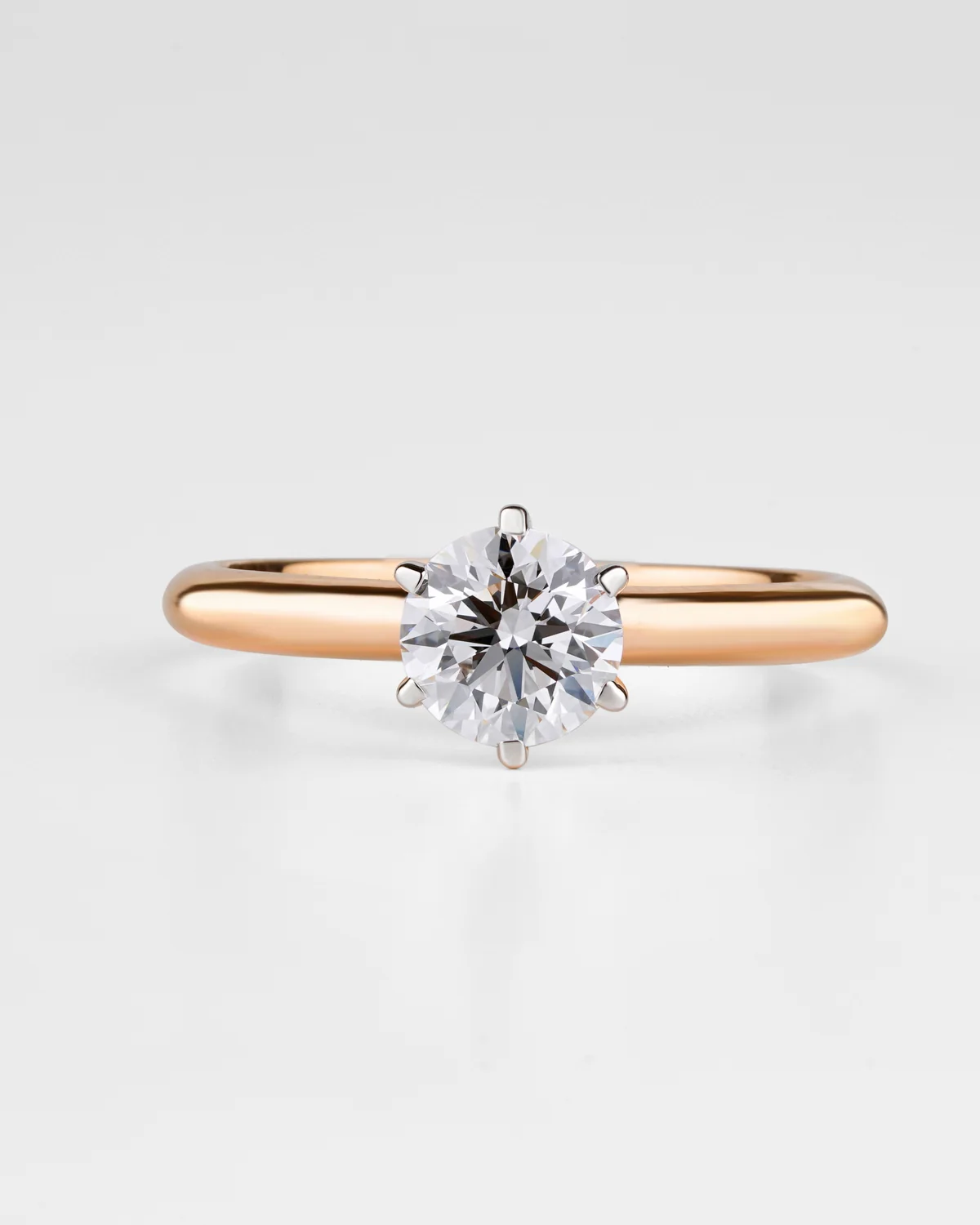
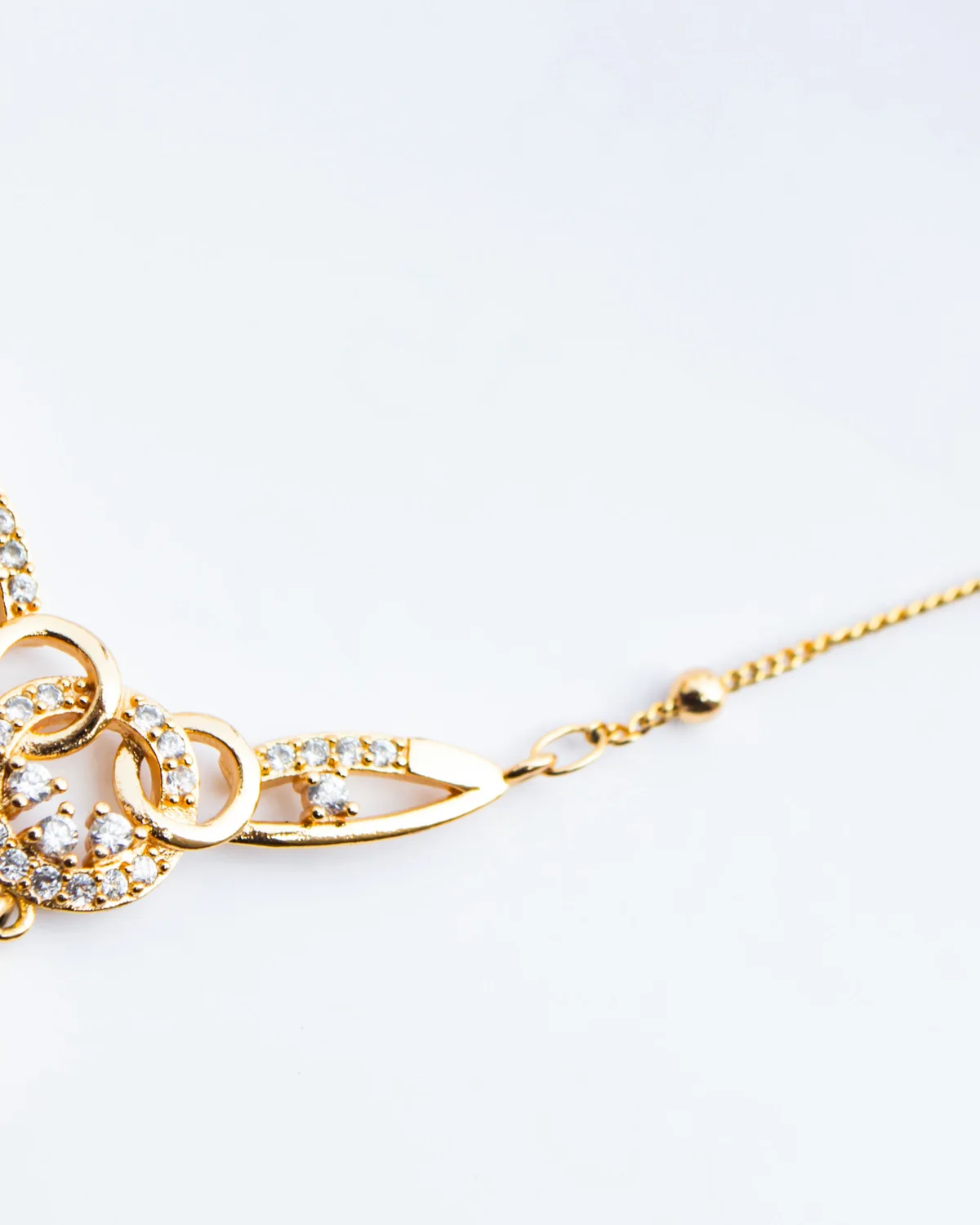
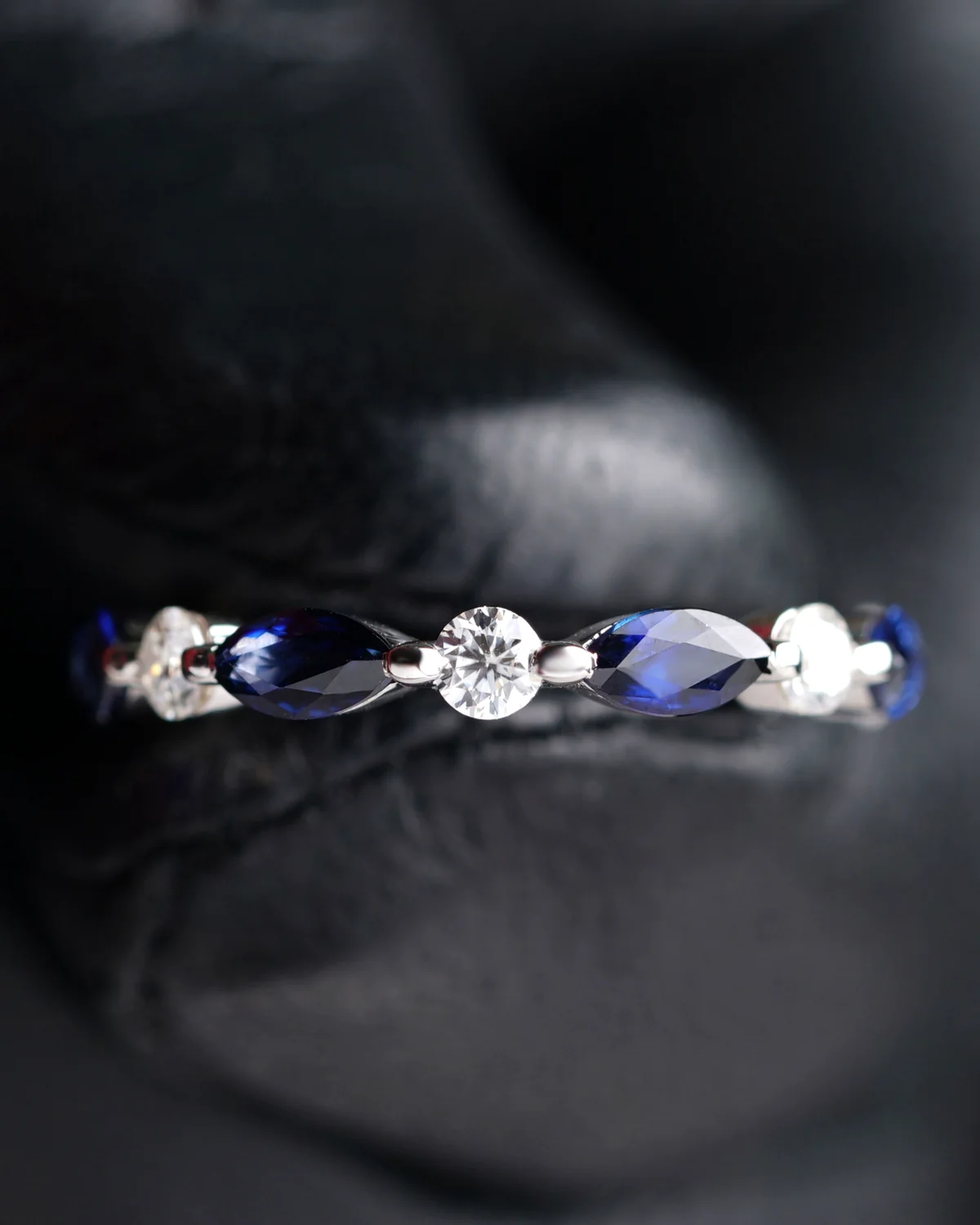
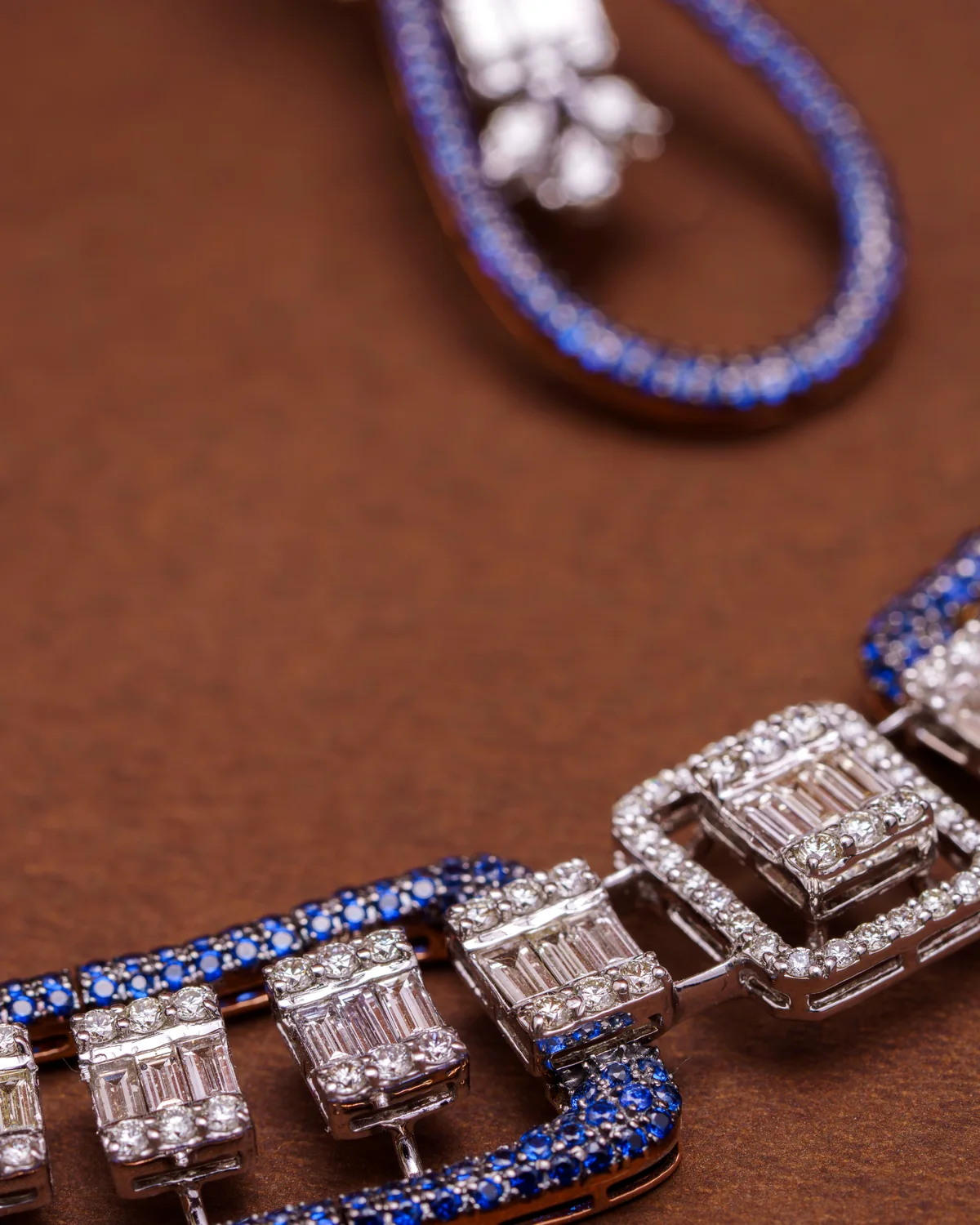
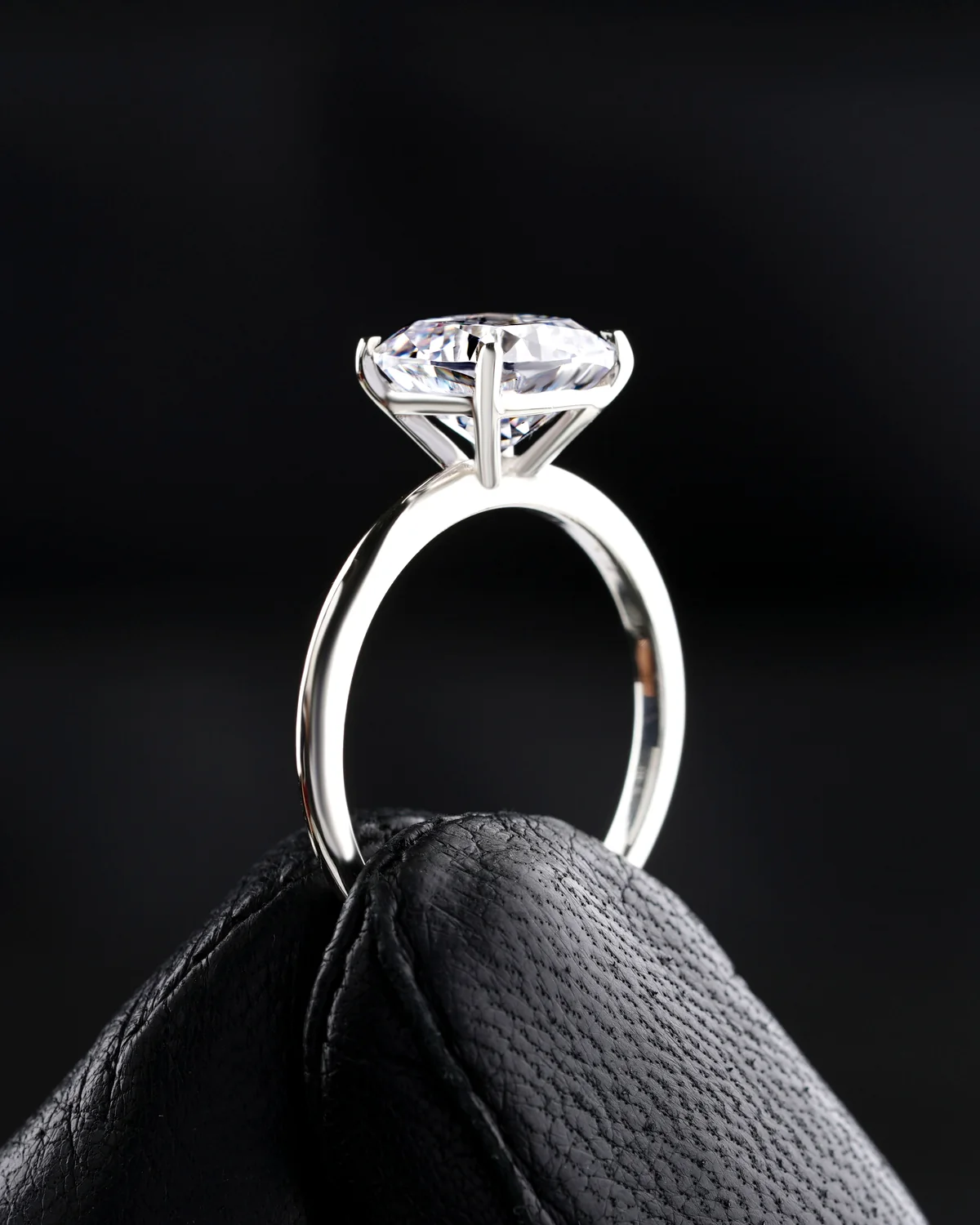
The purpose of this guide is to make cluster setting understandable without removing its sense of discovery. Every recommendation connects beauty with durability, disclosure, budget and the way the jewel will actually be worn. This guide is part of Diamond Kingdom’s documented jewellery knowledge system. It connects design, material, price, durability and aftercare so the customer can move from research to a confident consultation without being forced through a complicated sales process.
How the Cluster Setting works
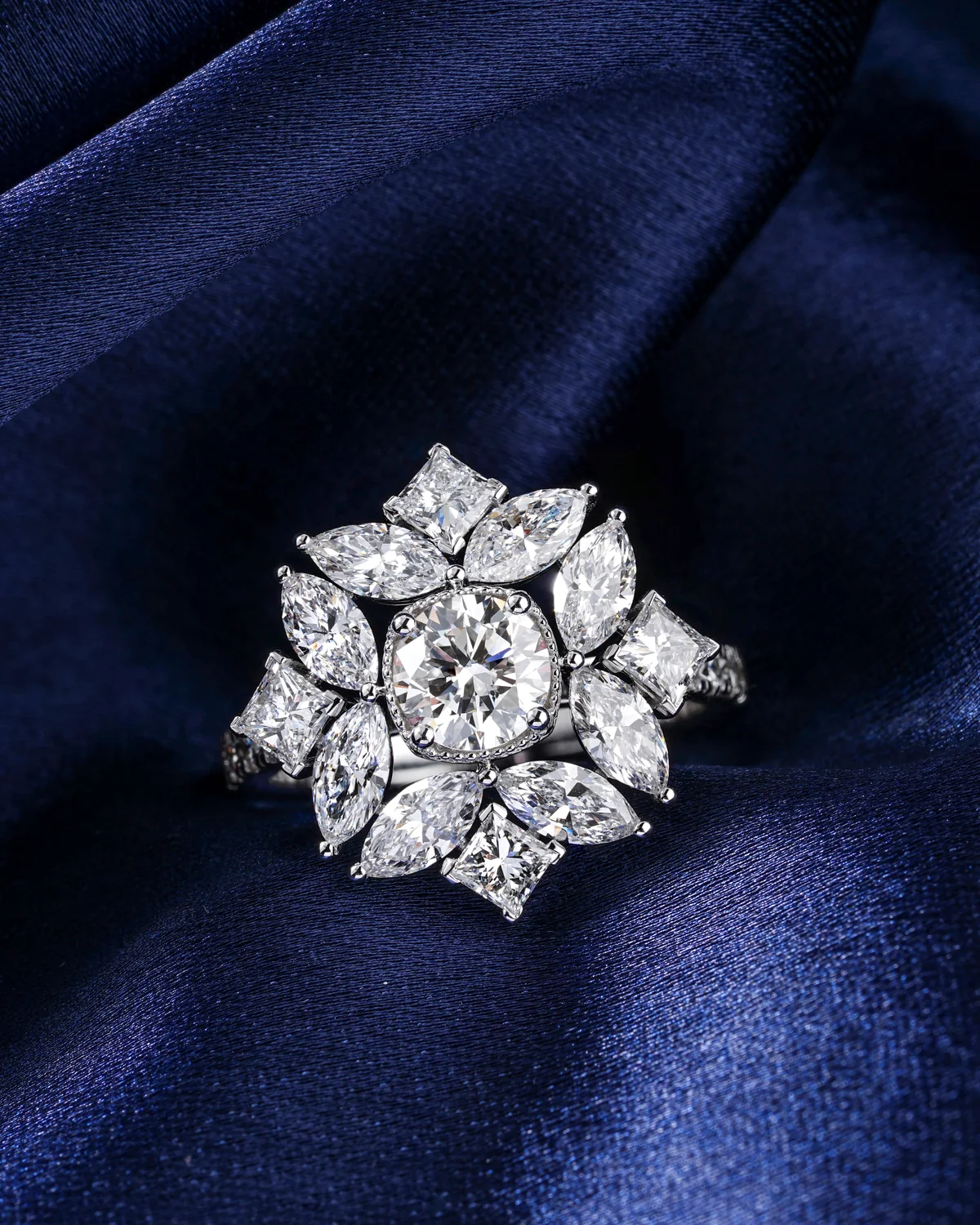
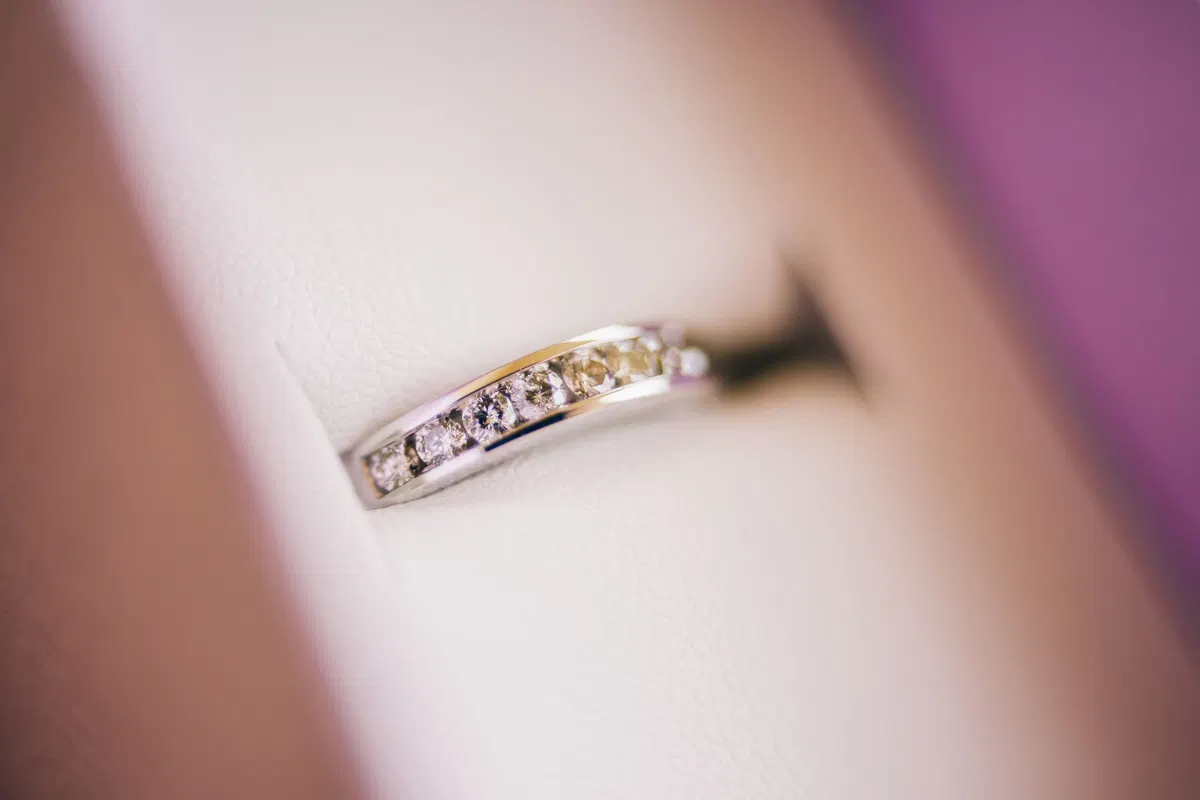
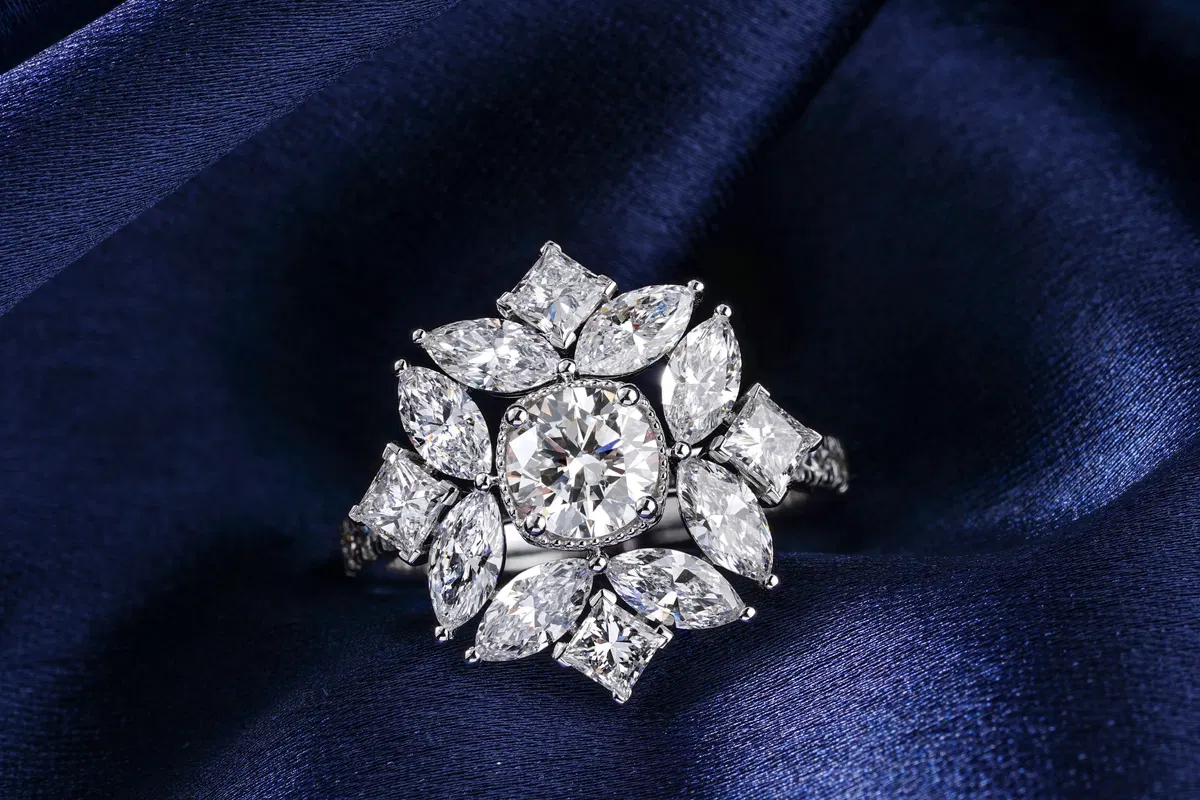
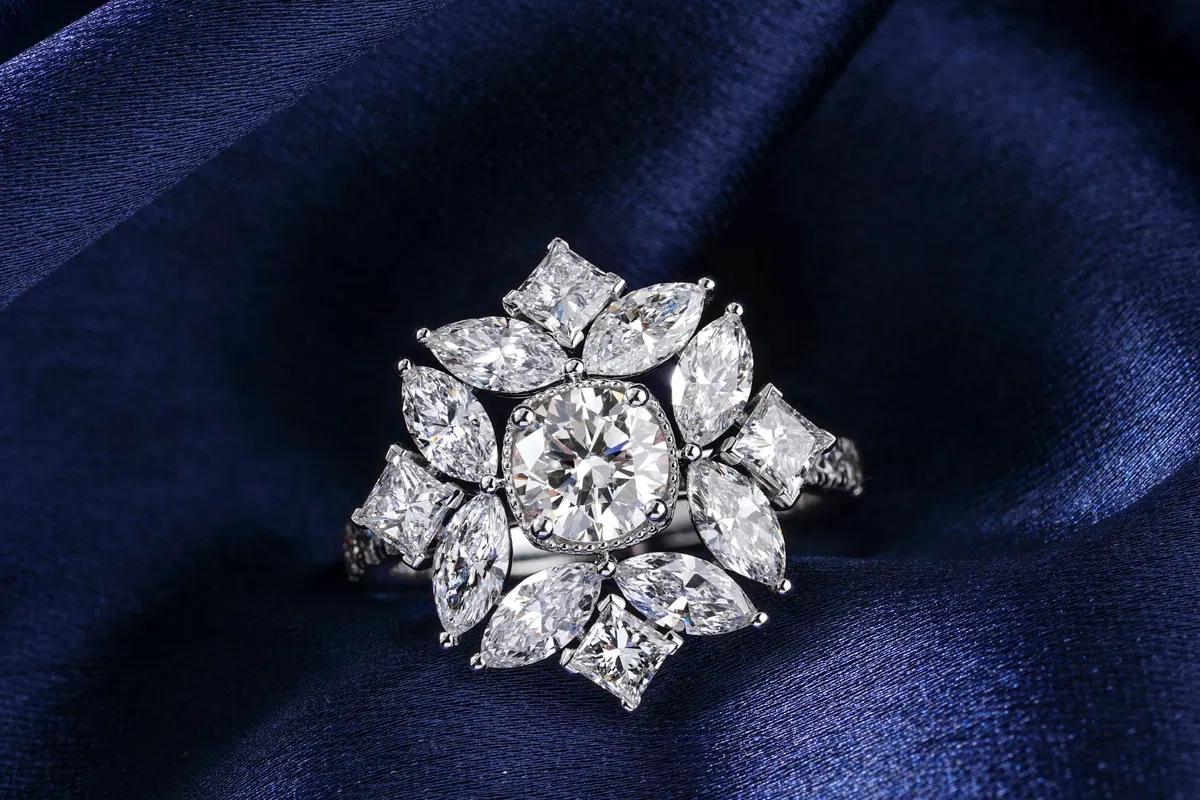
The Cluster Setting uses multiple stones composed as one visual form. A setting is both a visual decision and an engineering system: it must locate the stone accurately, protect vulnerable edges, tolerate daily movement and allow the piece to be finished and serviced. Diamond Kingdom develops the setting around the exact stone rather than forcing a valuable gem into a generic model.
The visual effect
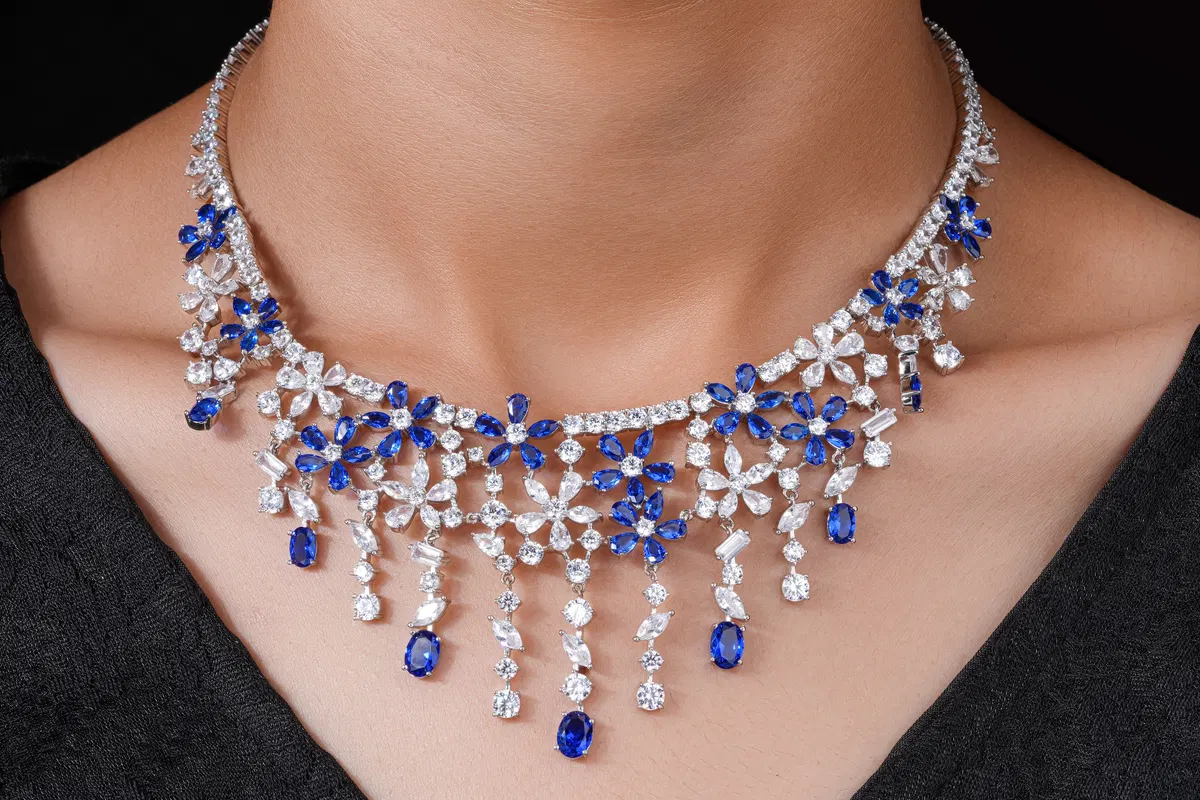
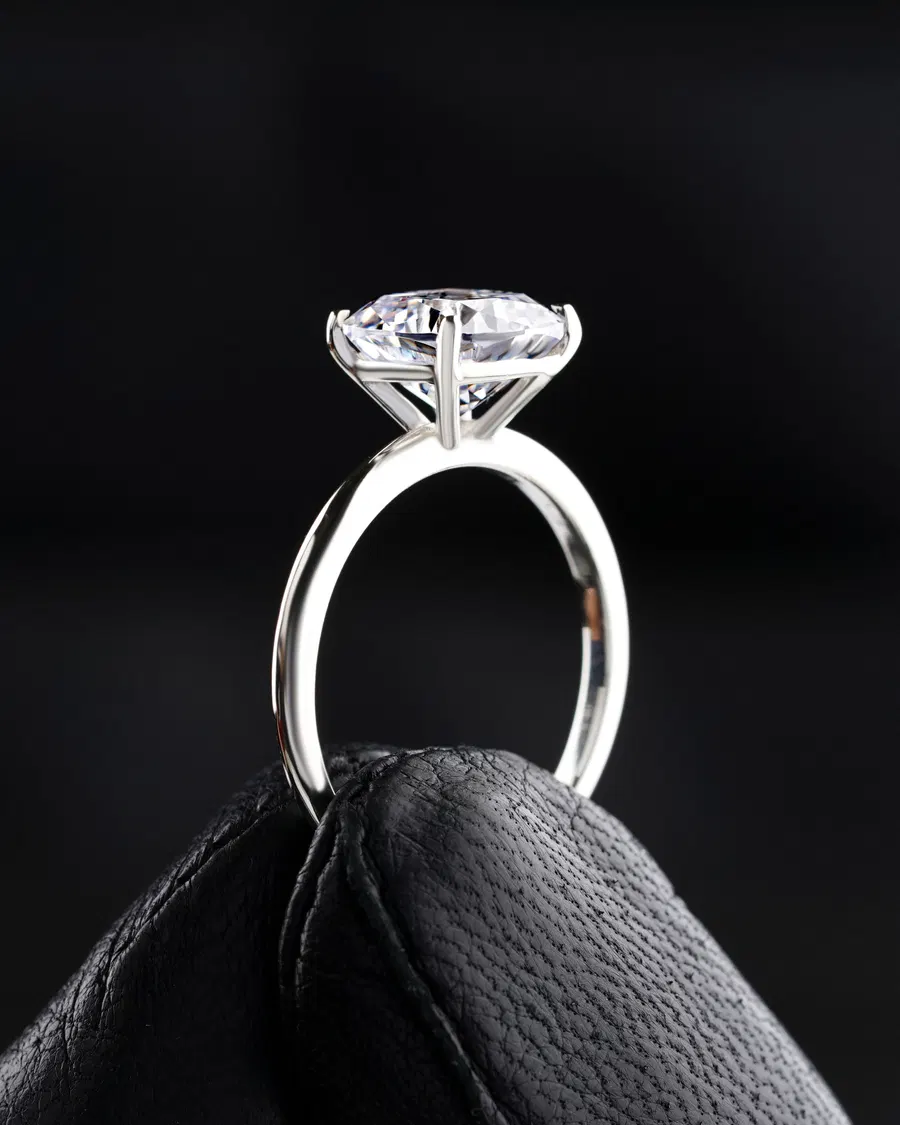
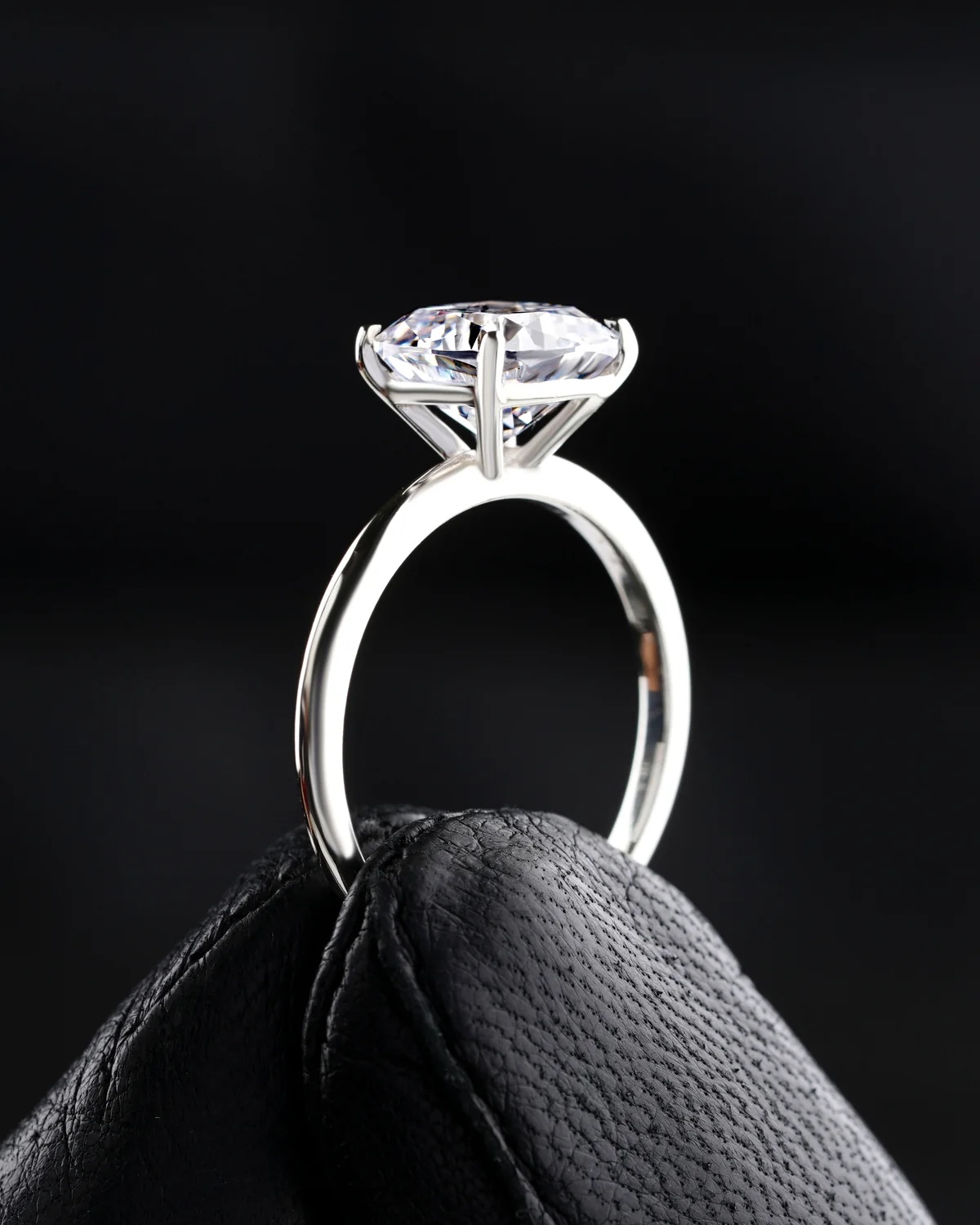
Its principal appeal is organic scale and flexible use of different gems. The same setting name can produce very different results depending on height, metal thickness, gallery detail, prong shape, side profile and the scale of surrounding stones. Our renders include face-up, side and hand-scale views so the customer sees the whole object rather than only the most flattering angle.
Stone and lifestyle suitability
We evaluate hardness, toughness, girdle condition, inclusion placement and treatment before selecting the construction. A design for daily wear should prioritise security, snag resistance and cleaning access. An occasional high-jewellery piece can accept greater height or delicacy. The recommendation is made for the wearer’s real routine, not only for the photograph.
CAD and manufacturing control
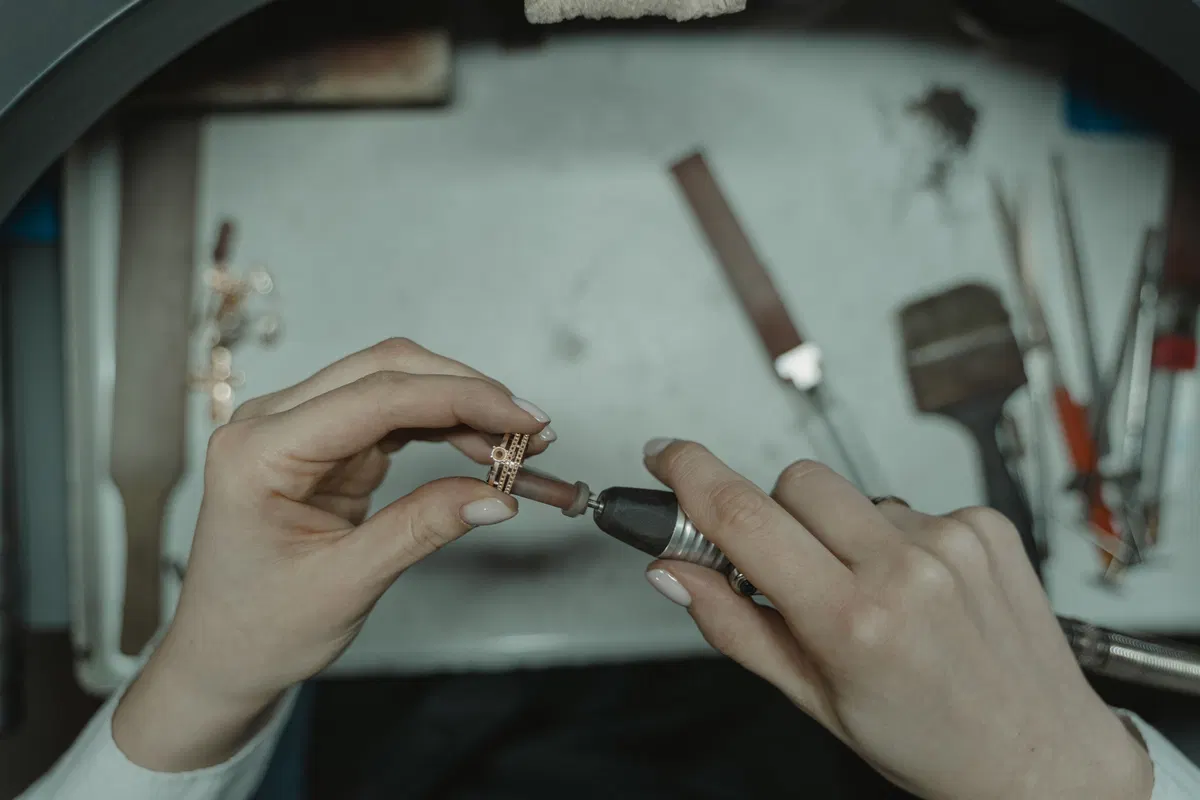
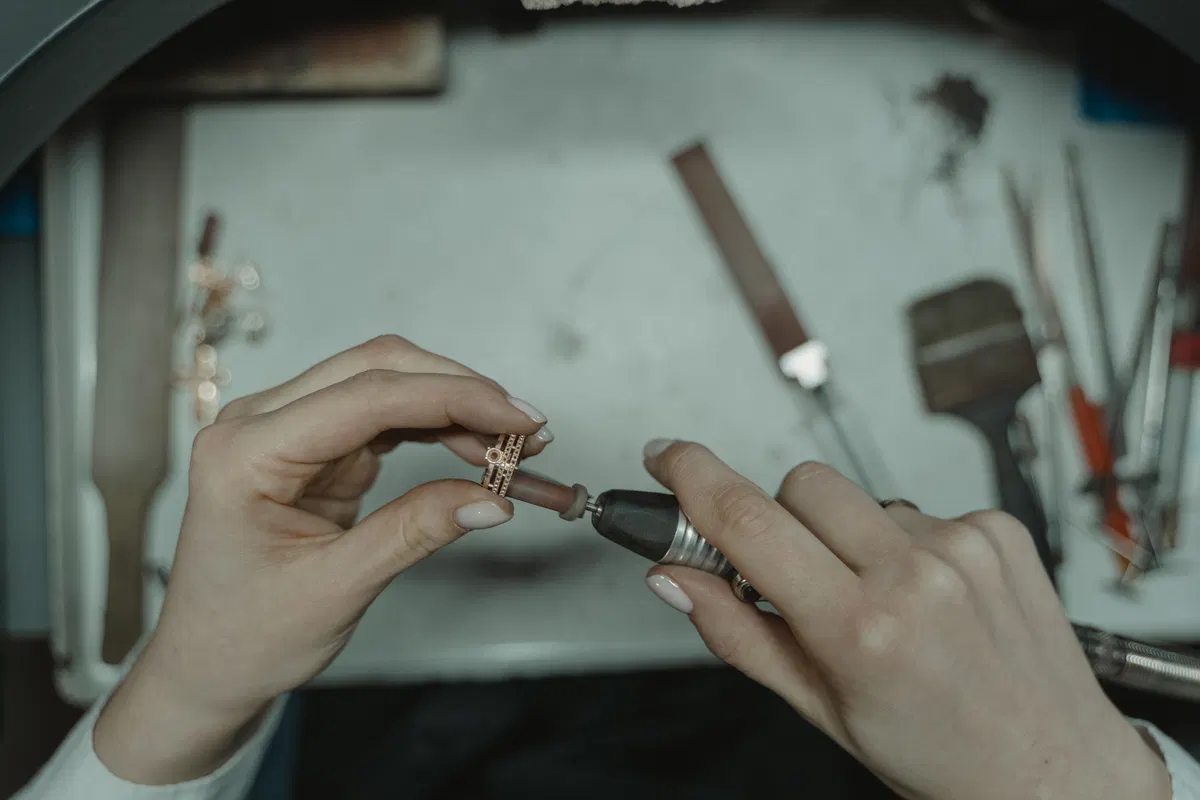
CAD defines the seat, bearing, prong or wall dimensions, metal volume and tolerances. A professional setter then reviews access and finishing before manufacture. Cleaning access and balanced stone security are addressed before approval. Depending on the design, production may use casting, CNC machining, hand fabrication, laser welding or a controlled combination.
Price and production time
The setting price reflects metal weight, number and size of stones, labour, calibration, finishing and inspection. More intricate settings may require several setter passes and longer quality control. The website shows a starting estimate, while the final quotation follows stone selection and CAD approval. This prevents false precision and allows the customer to understand what each upgrade adds.
Resizing, cleaning and repair
Future serviceability is considered at the beginning. Some continuous stone layouts, tension systems or mixed-metal constructions restrict resizing. Cleaning guidance reflects the gemstone and setting, while periodic inspections focus on movement, wear and impact points. The digital record makes later restoration more accurate.
Choosing the right setting
The best setting balances the stone’s beauty, the desired symbolism, lifestyle, budget and matching-jewellery requirements. Customers can compare a protected, minimal and statement direction before choosing. A jeweller then validates the selected route and documents any practical compromises in plain language.
A practical comparison checklist
Before deciding on Cluster Setting, compare the exact object rather than only the category name. Record the stone identity, natural or laboratory-grown status, treatment, dimensions, certificate wording, face-up appearance, metal fineness, estimated finished weight, setting profile, production time, resizing limits, warranty and aftercare. Ask which elements are fixed and which are estimates. Save photographs and the approved specification in one place so that later changes can be checked against the original brief. A strong decision is not the option with the longest specification; it is the option whose visible beauty, durability, meaning and cost are aligned with the wearer.
How Diamond Kingdom turns research into a commission
The next step after researching Cluster Setting is a short discovery brief. It captures occasion, wearer, style, preferred colour, lifestyle, investment range, deadline and any customer-owned material. A jeweller then removes unsuitable combinations, explains the remaining trade-offs and prepares a stone shortlist or design direction. Visual concepts are labelled as concepts until exact geometry is confirmed. The approved CAD records dimensions and construction, after which the workshop confirms manufacturing and quality-control stages. This controlled sequence keeps the digital experience creative while preventing an attractive image from being mistaken for a safe production file.