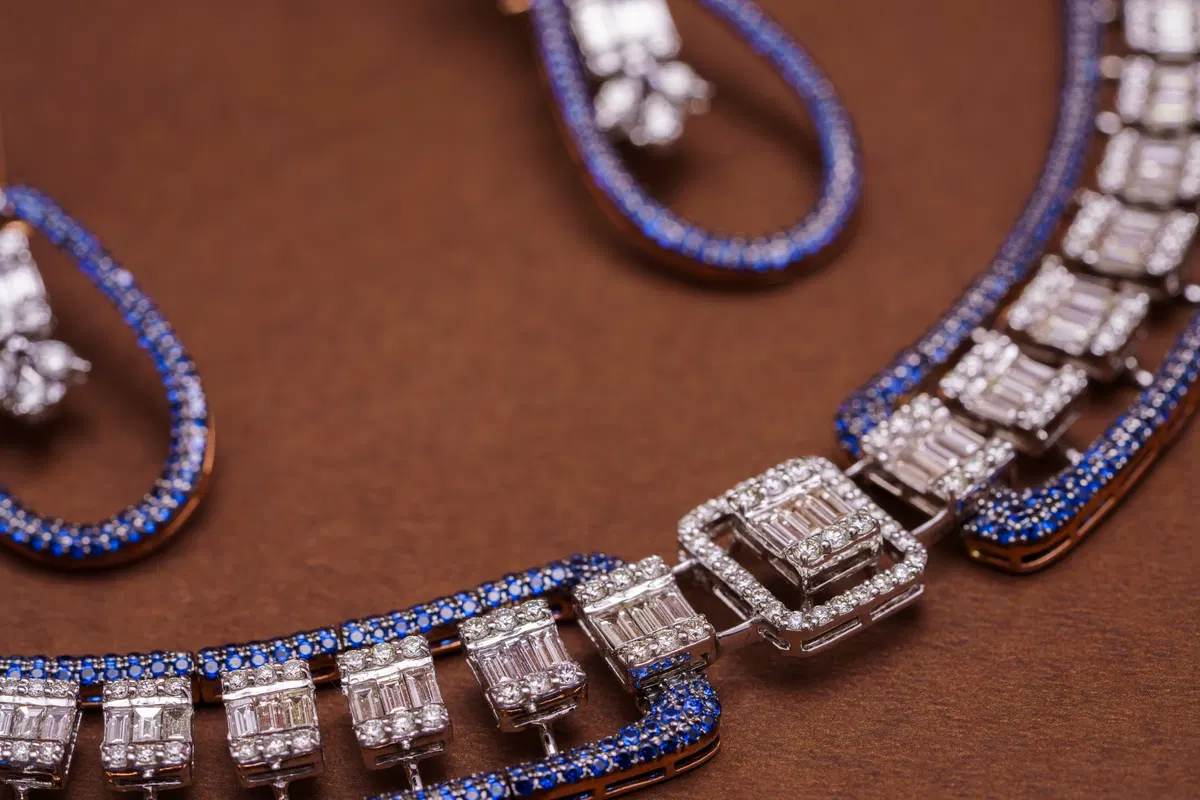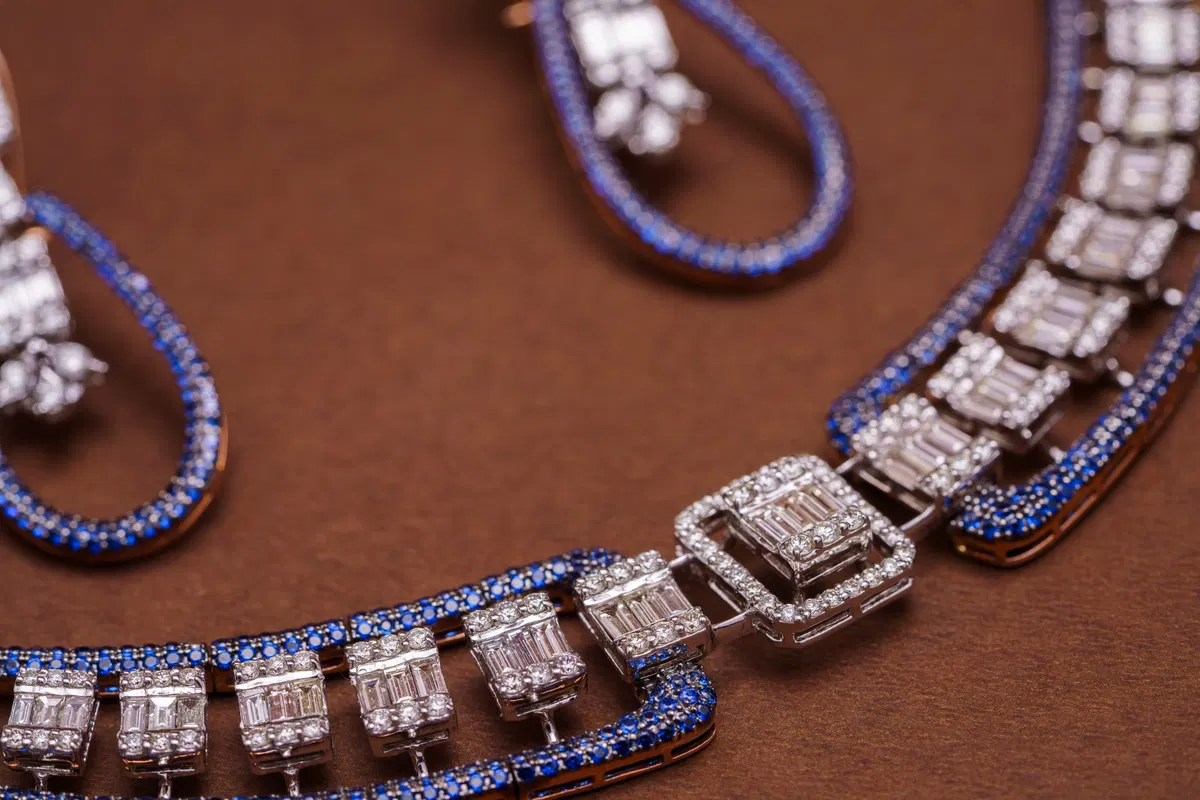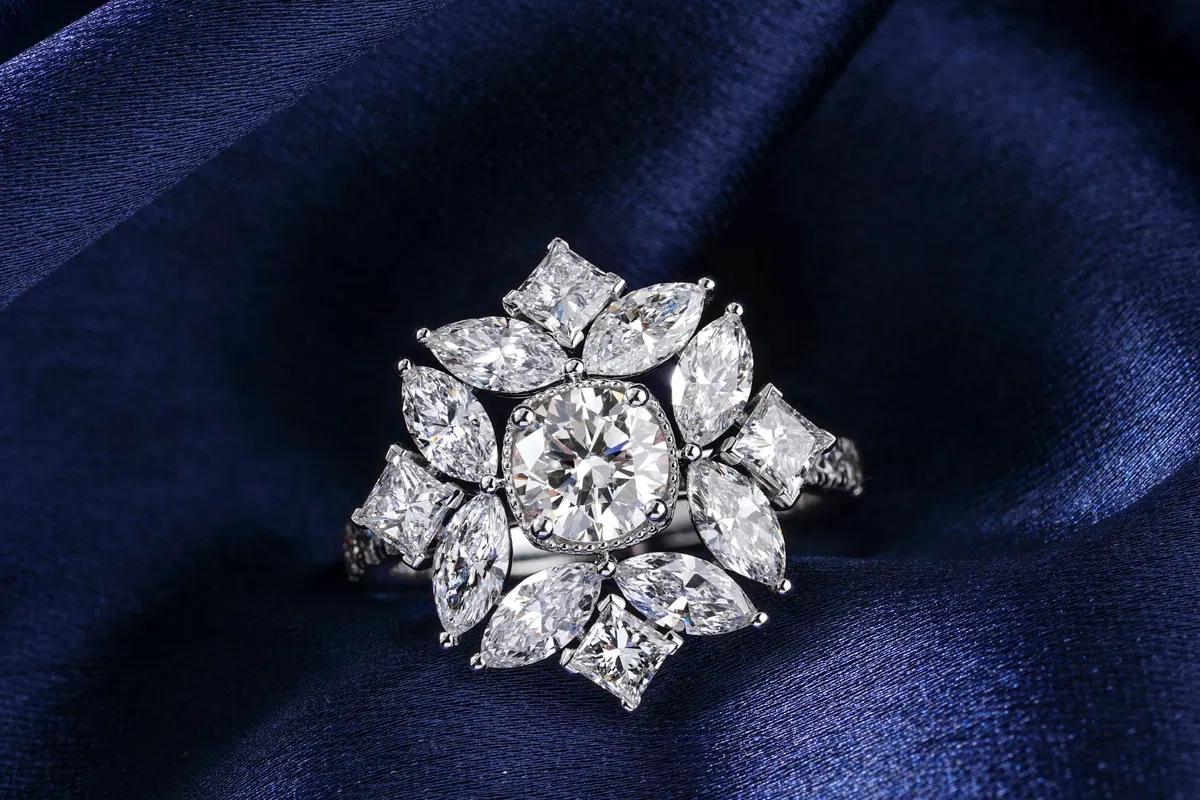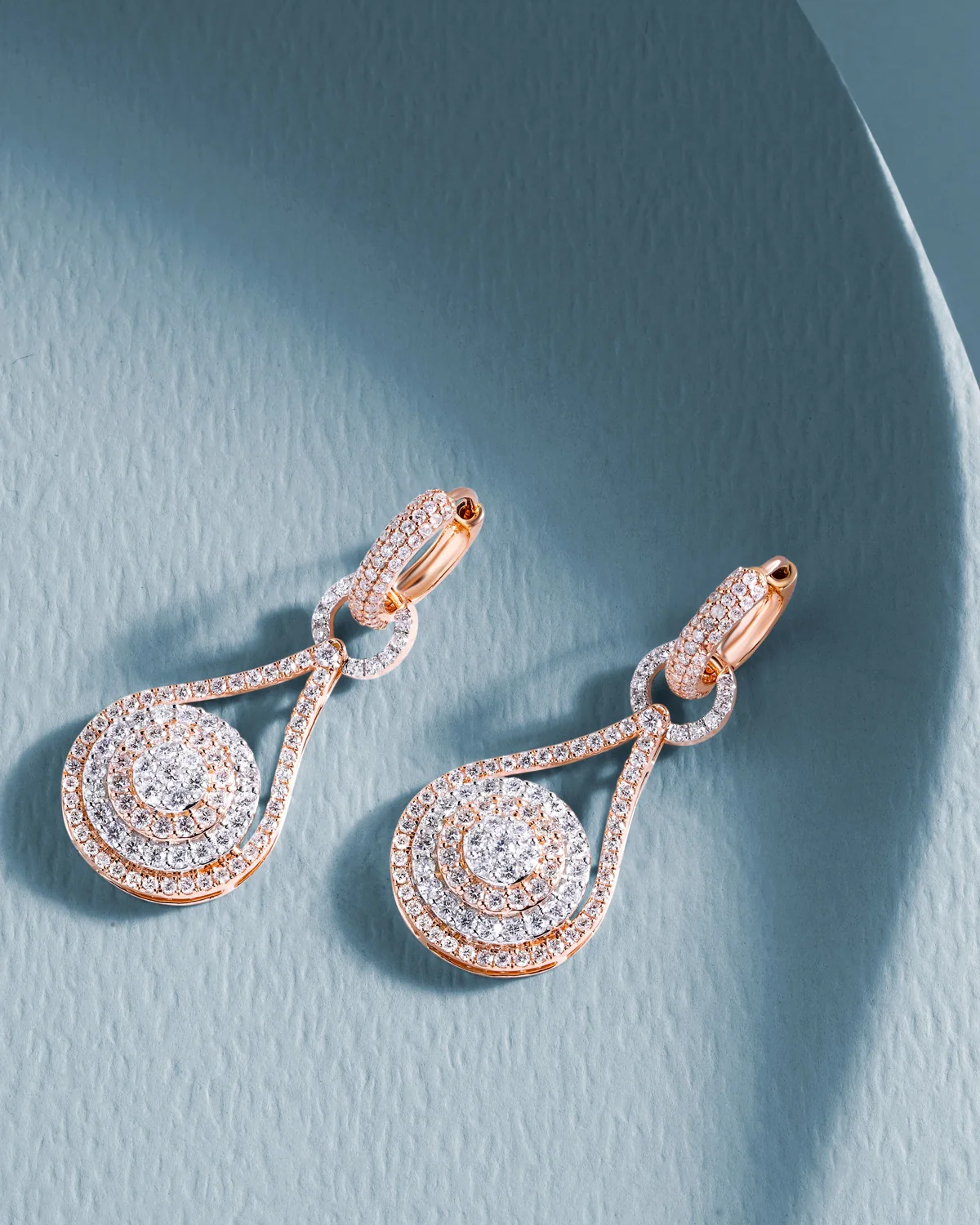

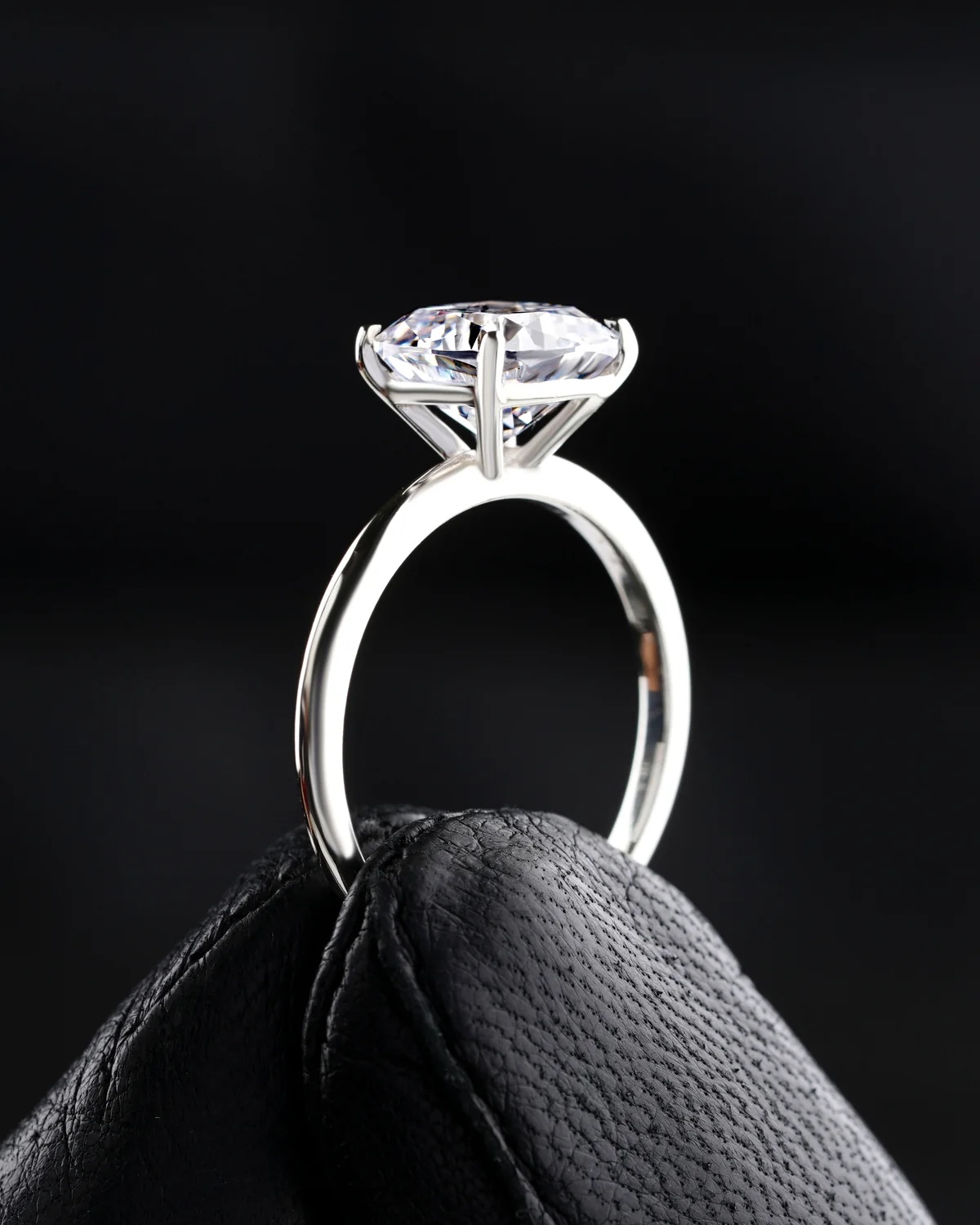
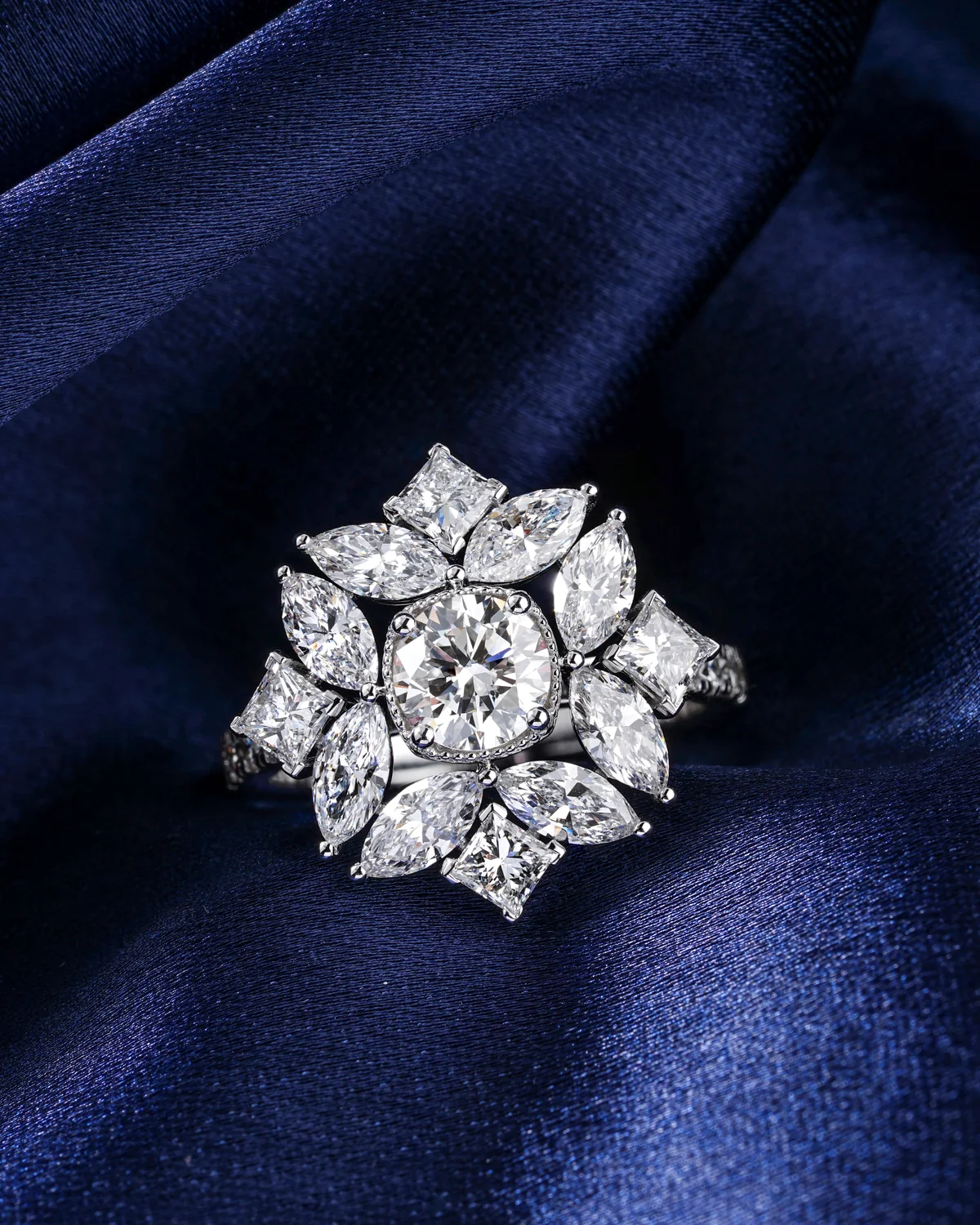
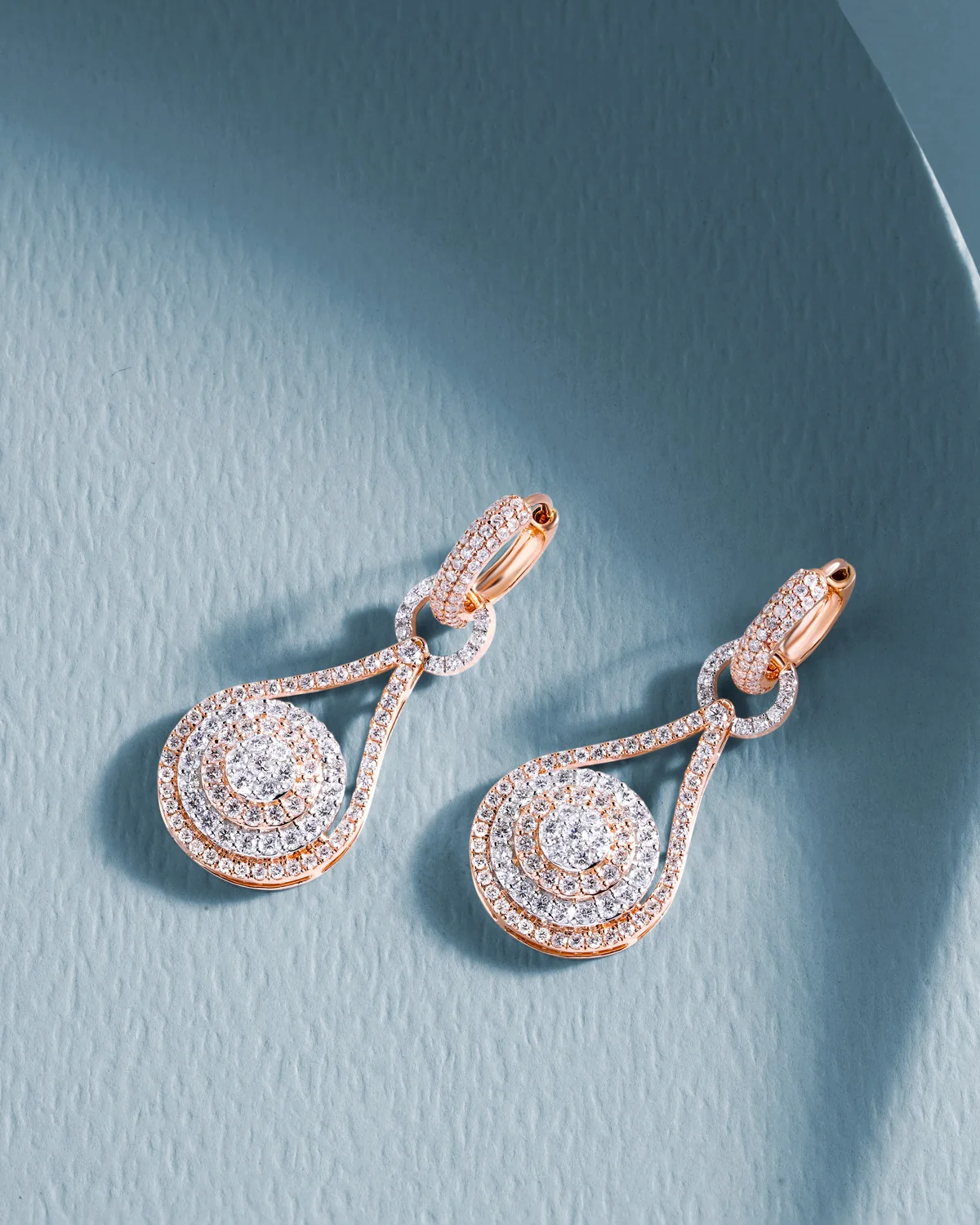
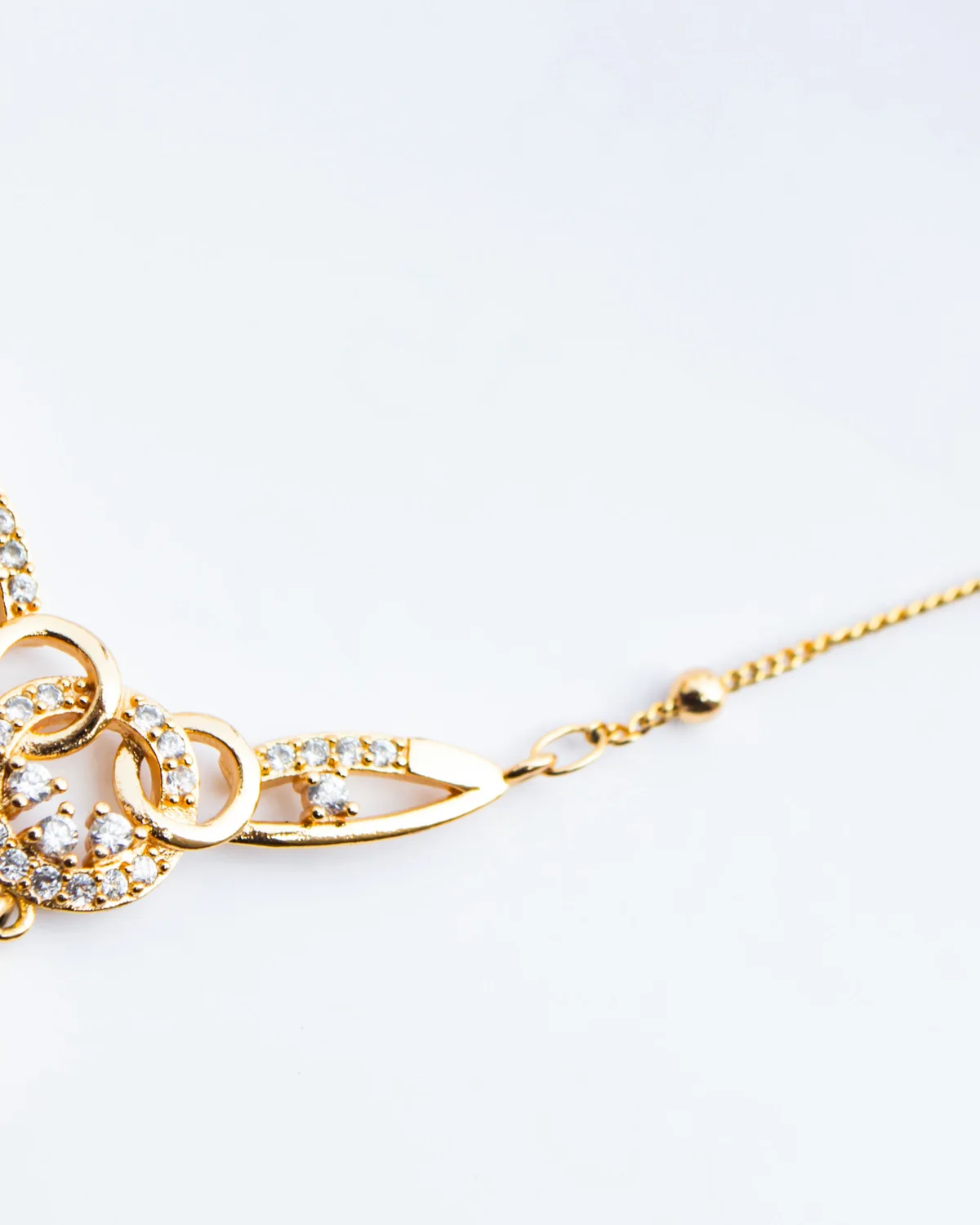
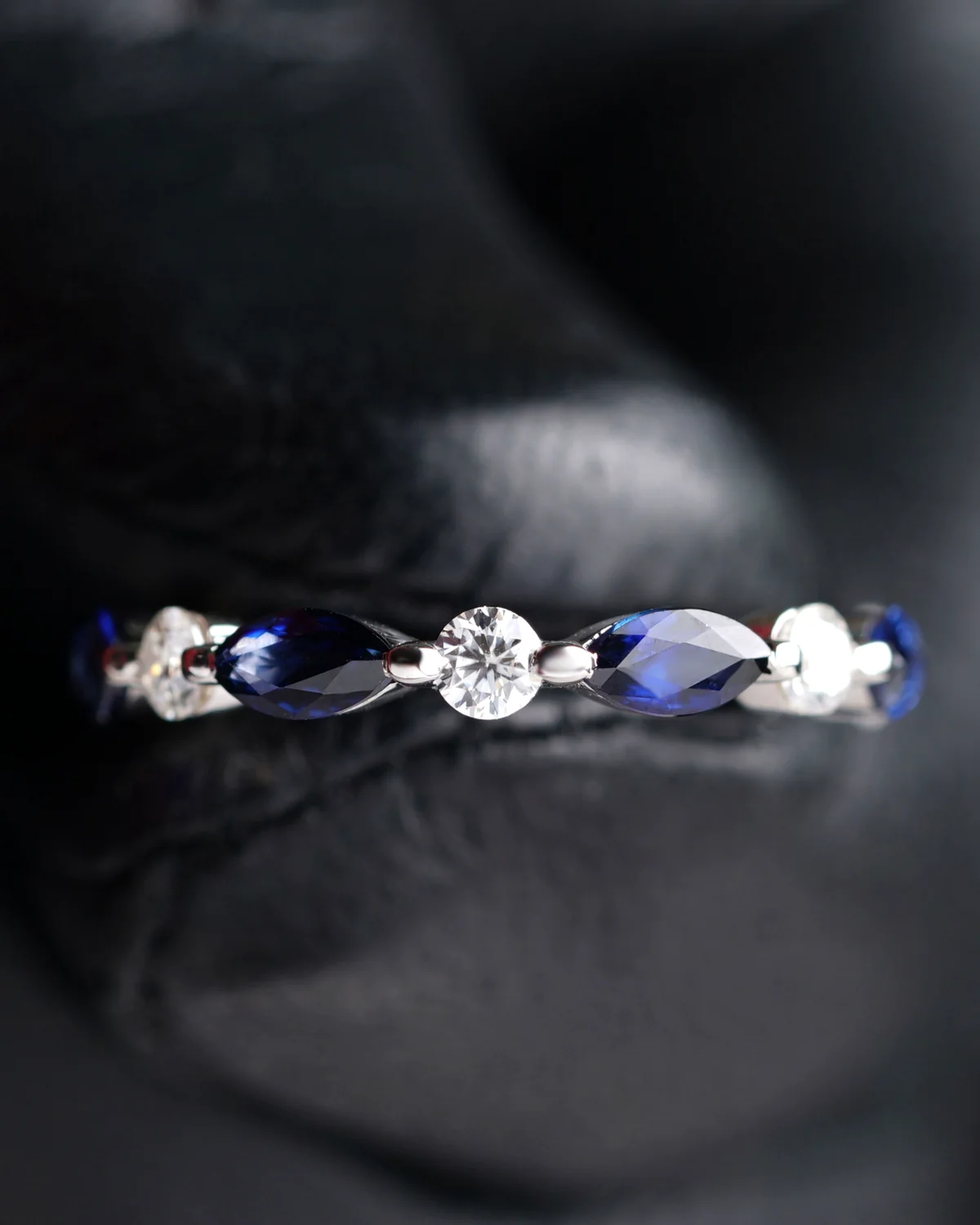
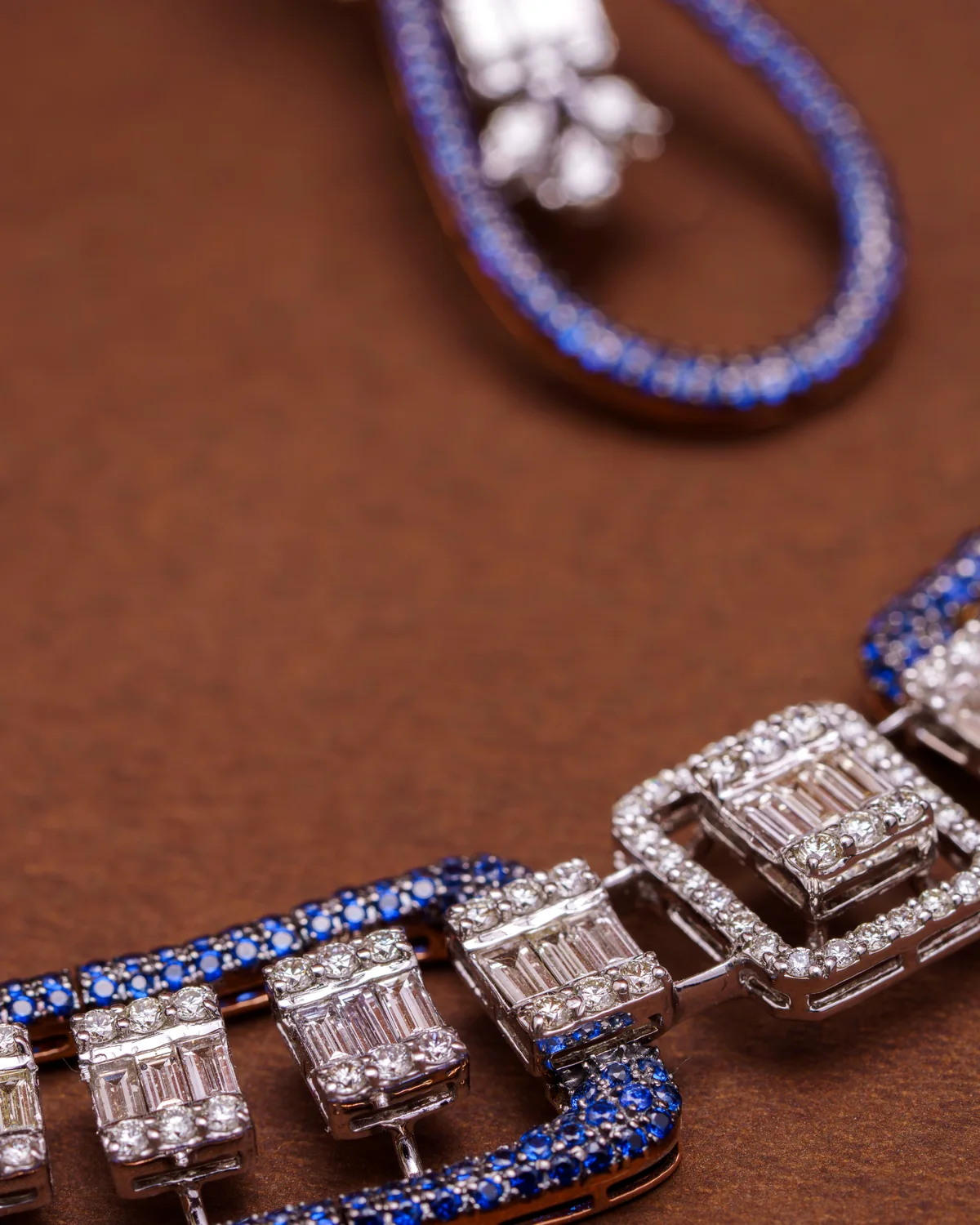
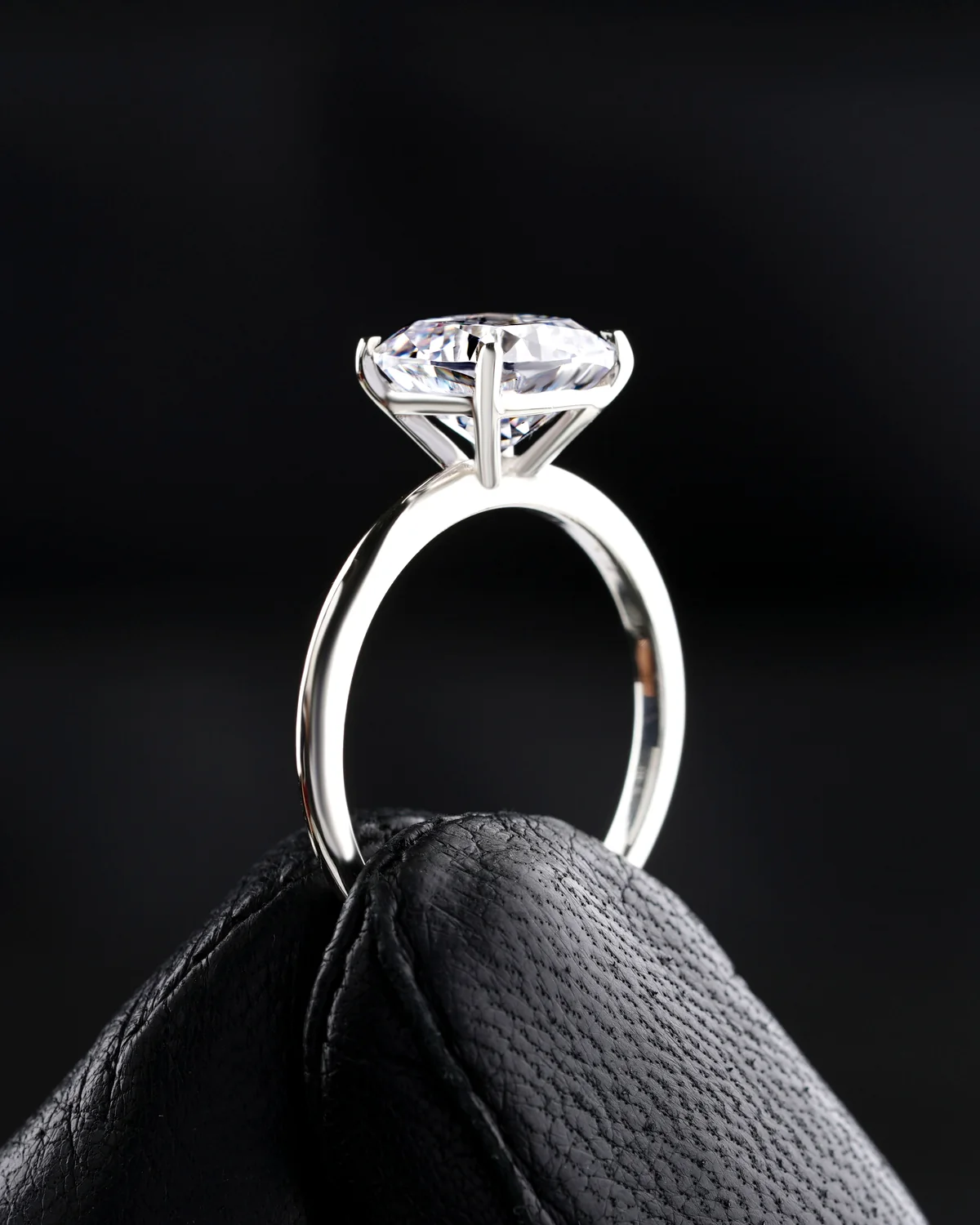
Diamond Kingdom approaches natural zircon as a considered design decision rather than a simple catalogue choice. Zircon, blue, honey, colourless colour, sri lanka / cambodia origin and the principle that not to be confused with cubic zirconia is explained through material performance, visual proportion, craftsmanship and long-term ownership. This guide is part of Diamond Kingdom’s documented jewellery knowledge system. It connects design, material, price, durability and aftercare so the customer can move from research to a confident consultation without being forced through a complicated sales process.
Understanding Natural Zircon
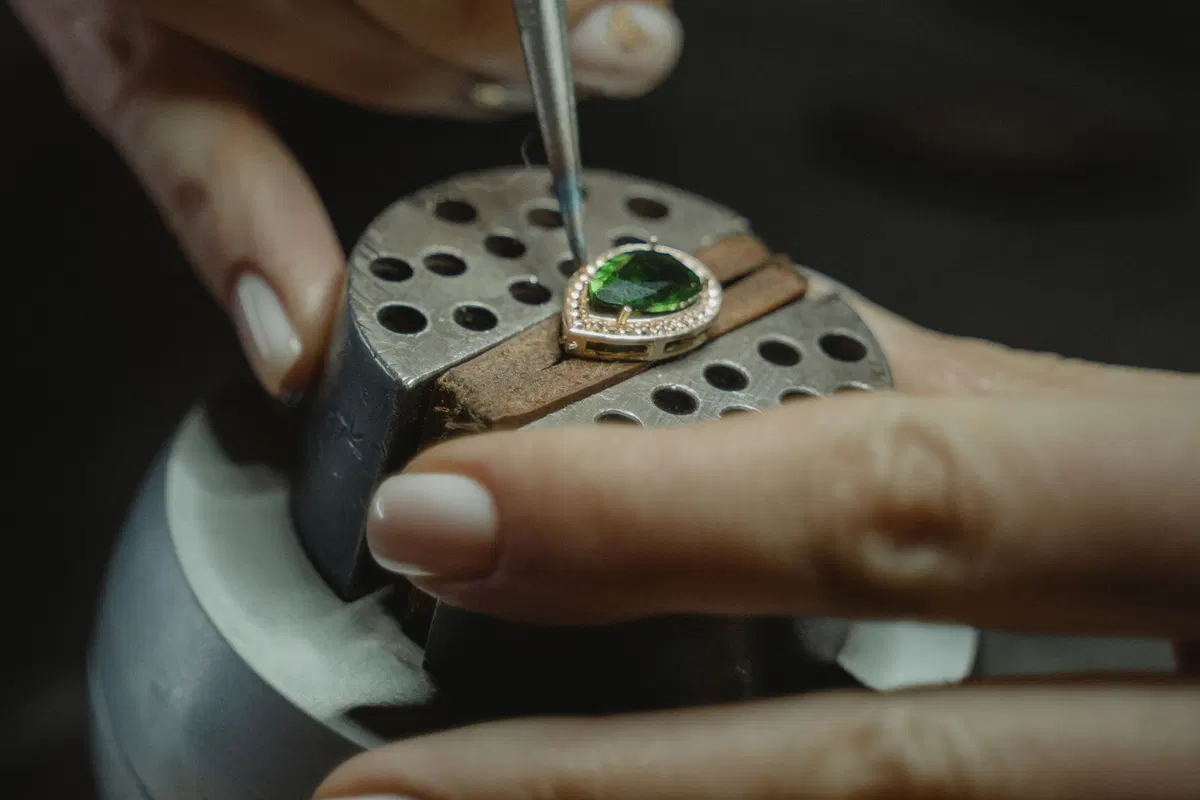
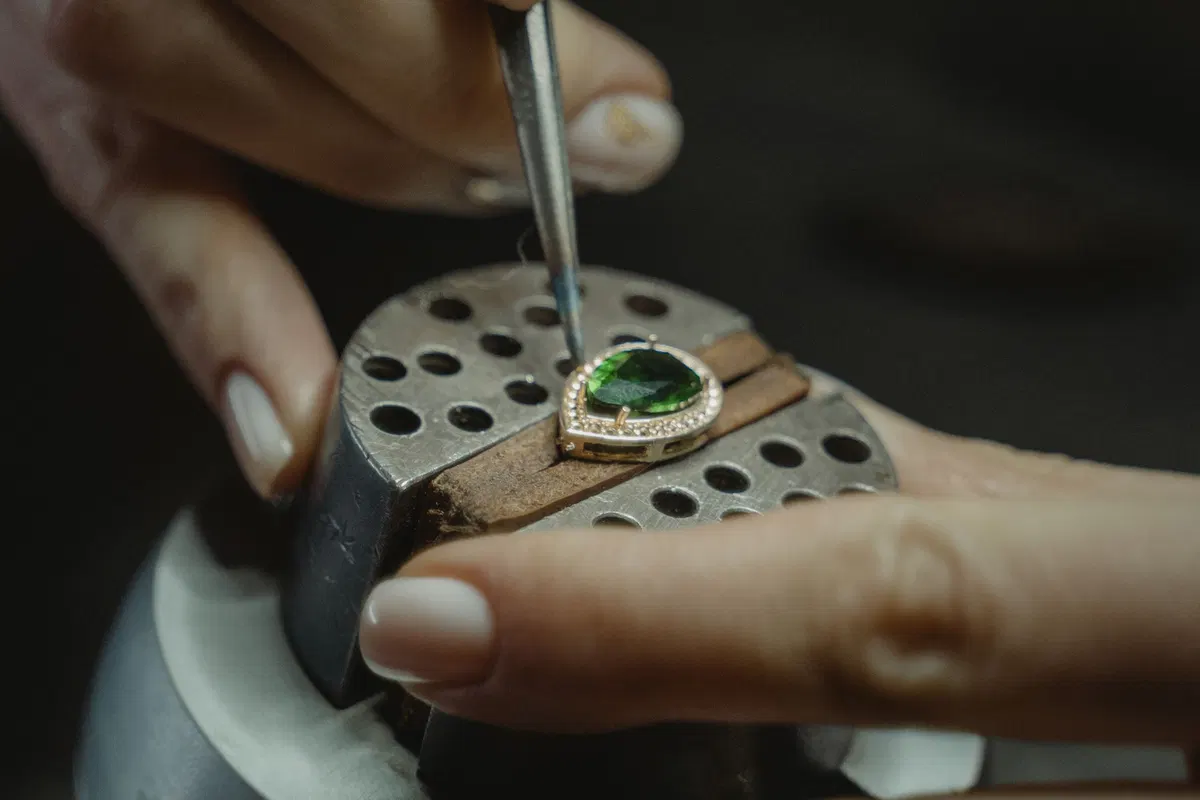
Natural Zircon belongs to the zircon family and should be understood as an individual natural material rather than a generic colour label. The most convincing examples combine attractive hue, suitable tone and saturation, a cut that controls windowing or extinction, and proportions that suit the intended jewel. Diamond Kingdom presents measurements, weight, treatment wording and available laboratory information together so that the customer can judge beauty and suitability rather than relying on carat weight alone. In this category the characteristic appearance is blue, honey, colourless and warm earth tones.
Colour, light and face-up beauty
Colour is evaluated in the lighting conditions in which the jewel will actually be worn. We consider hue, tone, saturation, zoning, transparency and how the stone behaves when tilted. A stone that looks lively in daylight may become quieter under warm interior light, while an overly dark stone can lose detail after setting. Our photography, video and consultation process therefore compares the stone against neutral backgrounds and relevant metal colours before a design is approved. This approach is especially useful when two stones have similar certificates but very different visual personalities.
Treatment, origin and documentation
Heat treatment is common and brittleness should be explained. Treatment is not automatically negative; the essential issue is accurate disclosure and pricing that reflects the stone’s actual condition. Origin descriptions are used only when supported by an appropriate laboratory opinion, and origin should never replace a direct assessment of colour, cut and durability. Where a report is available, its number, measurements and wording are matched to the physical stone before reservation and again before production.
Cut, dimensions and setting strategy
The best setting begins with millimetre dimensions, pavilion depth, girdle condition and any features close to the edge. Our designers use those measurements to control the seat, bezel or prong geometry, finished height and visual balance. Natural Zircon is particularly effective in bright earrings, pendants and lower-impact rings. A low-profile design may improve everyday comfort, while a taller open setting can increase light access. The correct choice depends on the wearer’s routine, ring size, stone outline and whether a matching band is required.
Durability and daily wear
Natural Zircon has 6–7.5 on the Mohs scale, but hardness alone does not describe resistance to chipping, cleavage, abrasion or treatment-related sensitivity. We assess whether the jewel is intended for daily wear, occasional wear or collection, then select a protective construction and practical maintenance plan. Corners, cavities, surface-reaching inclusions and tall exposed settings receive particular attention. The customer receives specific care guidance rather than a one-size-fits-all instruction.
Pricing and value decisions
There is no dependable universal price-per-carat table for Natural Zircon. Value is influenced by colour, transparency, treatment, origin evidence, cut quality, visible size, rarity, matching difficulty and current supplier availability. Diamond Kingdom quotations separate the gemstone from the design and manufacturing work, allowing customers to compare alternatives honestly. A slightly smaller stone with stronger colour and a better cut can create a more valuable finished experience than a heavier but lifeless example.
Designing and caring for the finished jewel
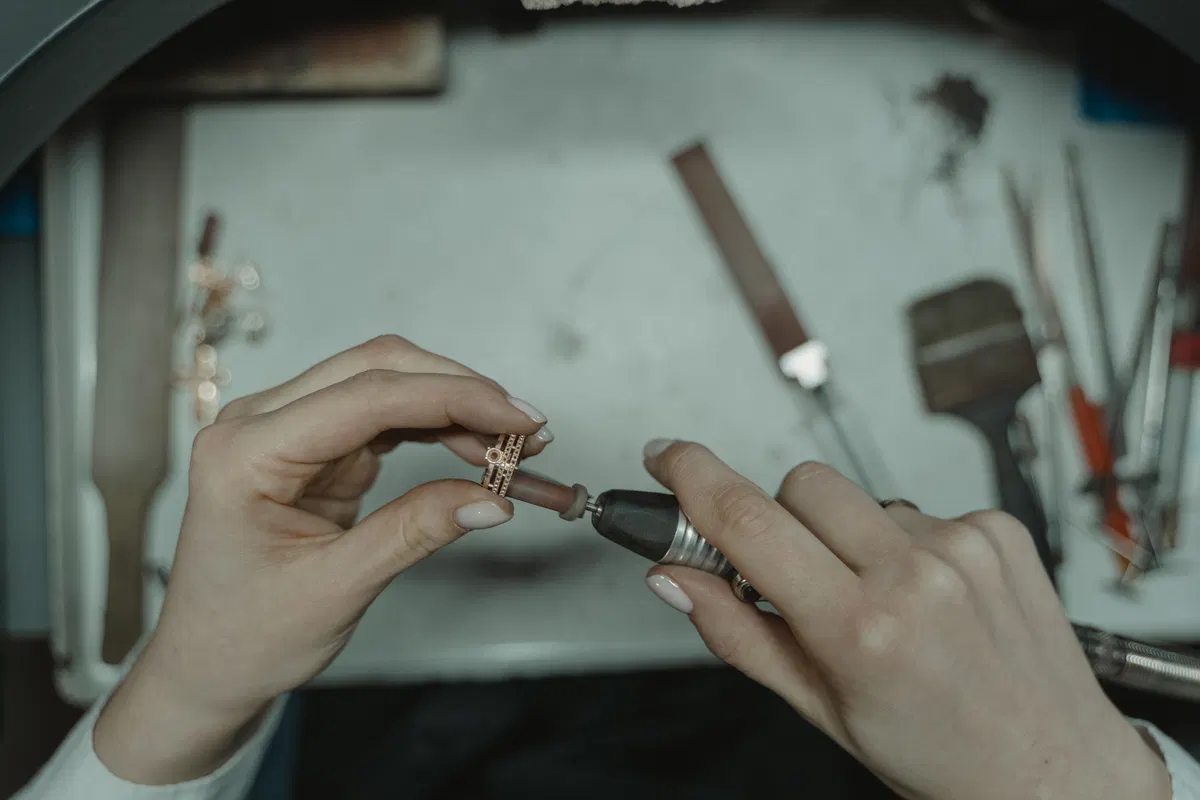
A commission begins with the wearer, occasion, budget and desired emotional character. We then compare suitable stones, develop proportions around the selected gem and confirm the design through render or CAD before manufacture. Recommended care includes avoid knocks, steam and ultrasonic cleaning. Annual or occasion-based inspections are especially useful for rings and articulated pieces. The finished digital dossier records the stone, treatment disclosure, metal, design approval and service history for future ownership.
A practical comparison checklist
Before deciding on Natural Zircon, compare the exact object rather than only the category name. Record the stone identity, natural or laboratory-grown status, treatment, dimensions, certificate wording, face-up appearance, metal fineness, estimated finished weight, setting profile, production time, resizing limits, warranty and aftercare. Ask which elements are fixed and which are estimates. Save photographs and the approved specification in one place so that later changes can be checked against the original brief. A strong decision is not the option with the longest specification; it is the option whose visible beauty, durability, meaning and cost are aligned with the wearer.
How Diamond Kingdom turns research into a commission
The next step after researching Natural Zircon is a short discovery brief. It captures occasion, wearer, style, preferred colour, lifestyle, investment range, deadline and any customer-owned material. A jeweller then removes unsuitable combinations, explains the remaining trade-offs and prepares a stone shortlist or design direction. Visual concepts are labelled as concepts until exact geometry is confirmed. The approved CAD records dimensions and construction, after which the workshop confirms manufacturing and quality-control stages. This controlled sequence keeps the digital experience creative while preventing an attractive image from being mistaken for a safe production file.