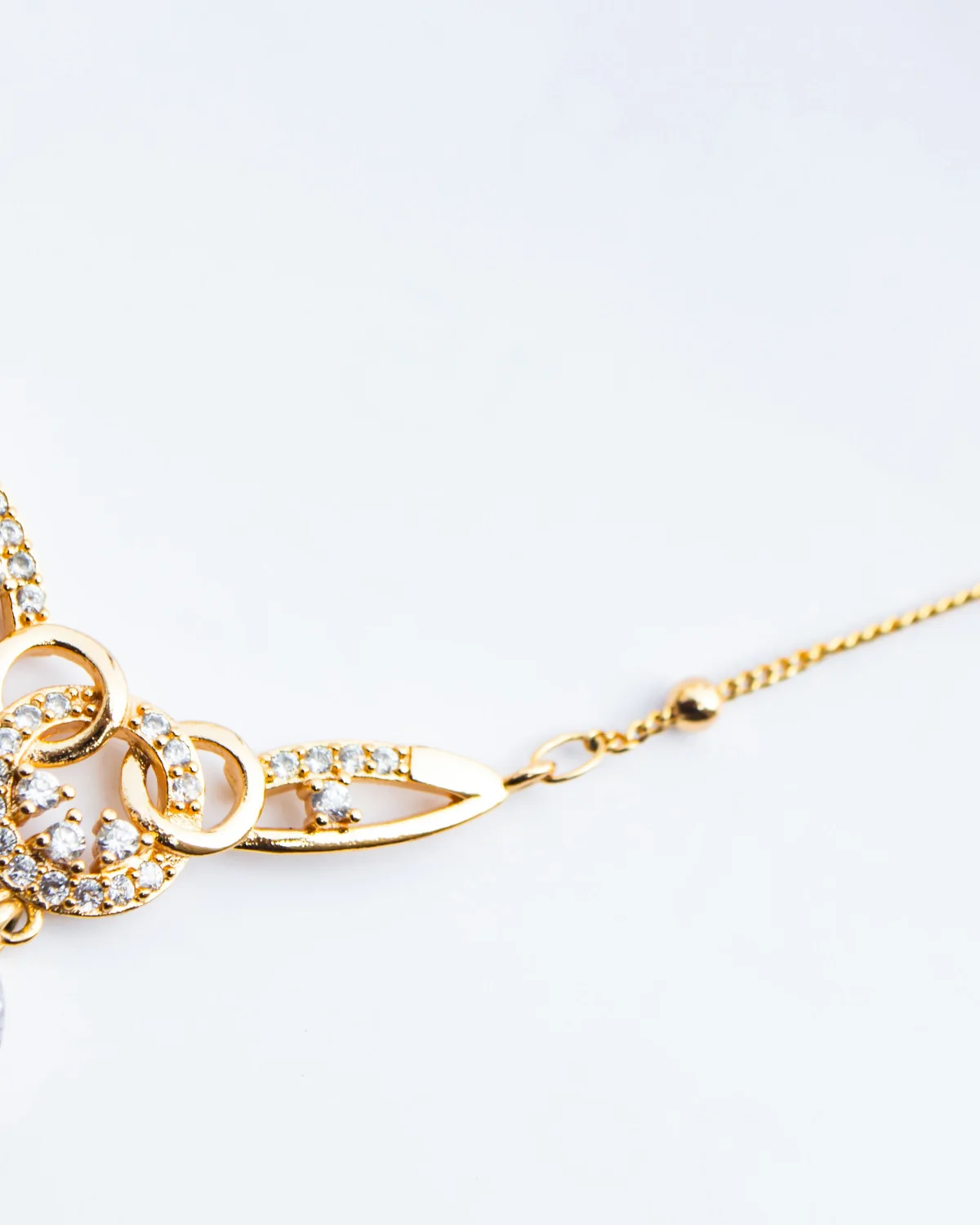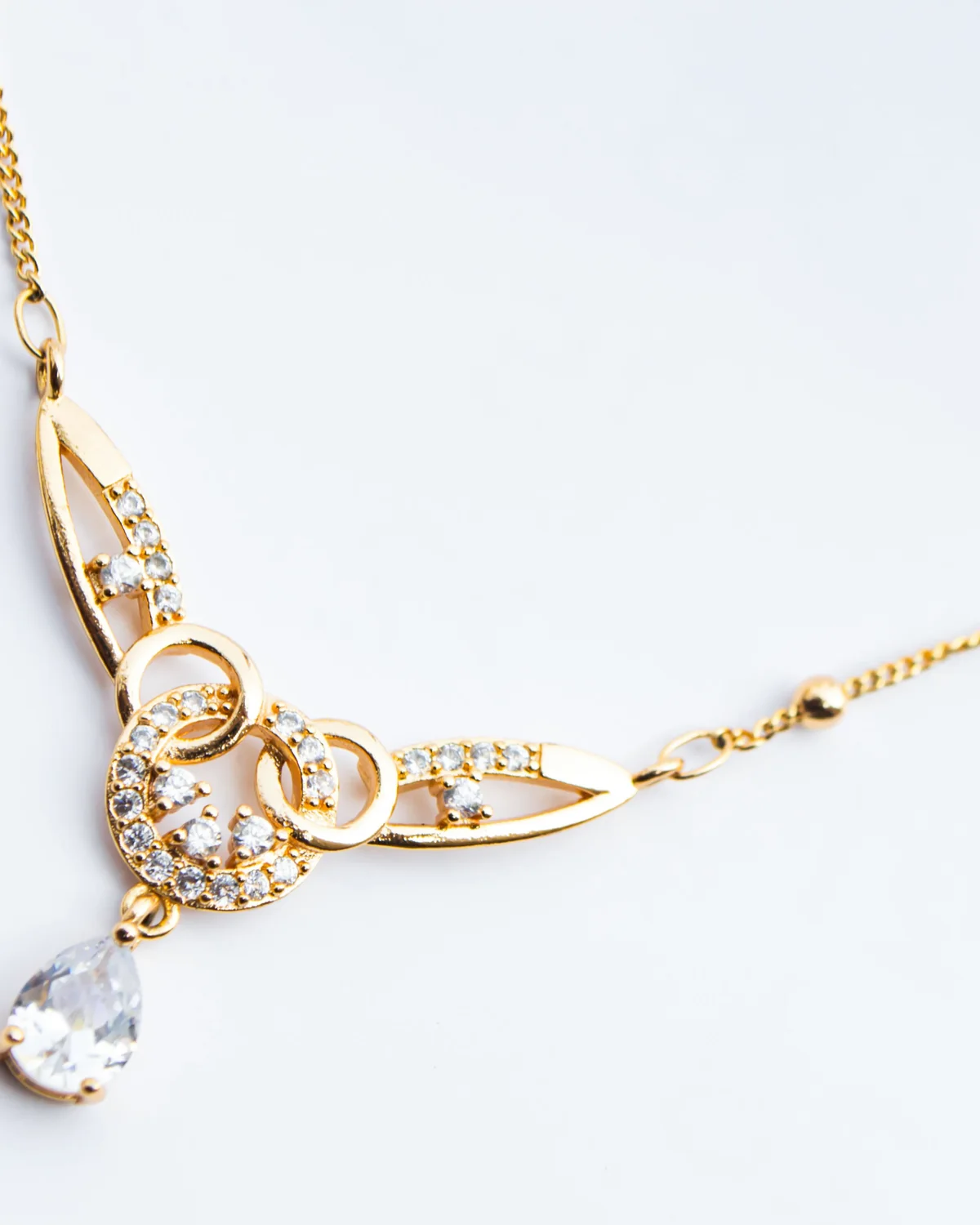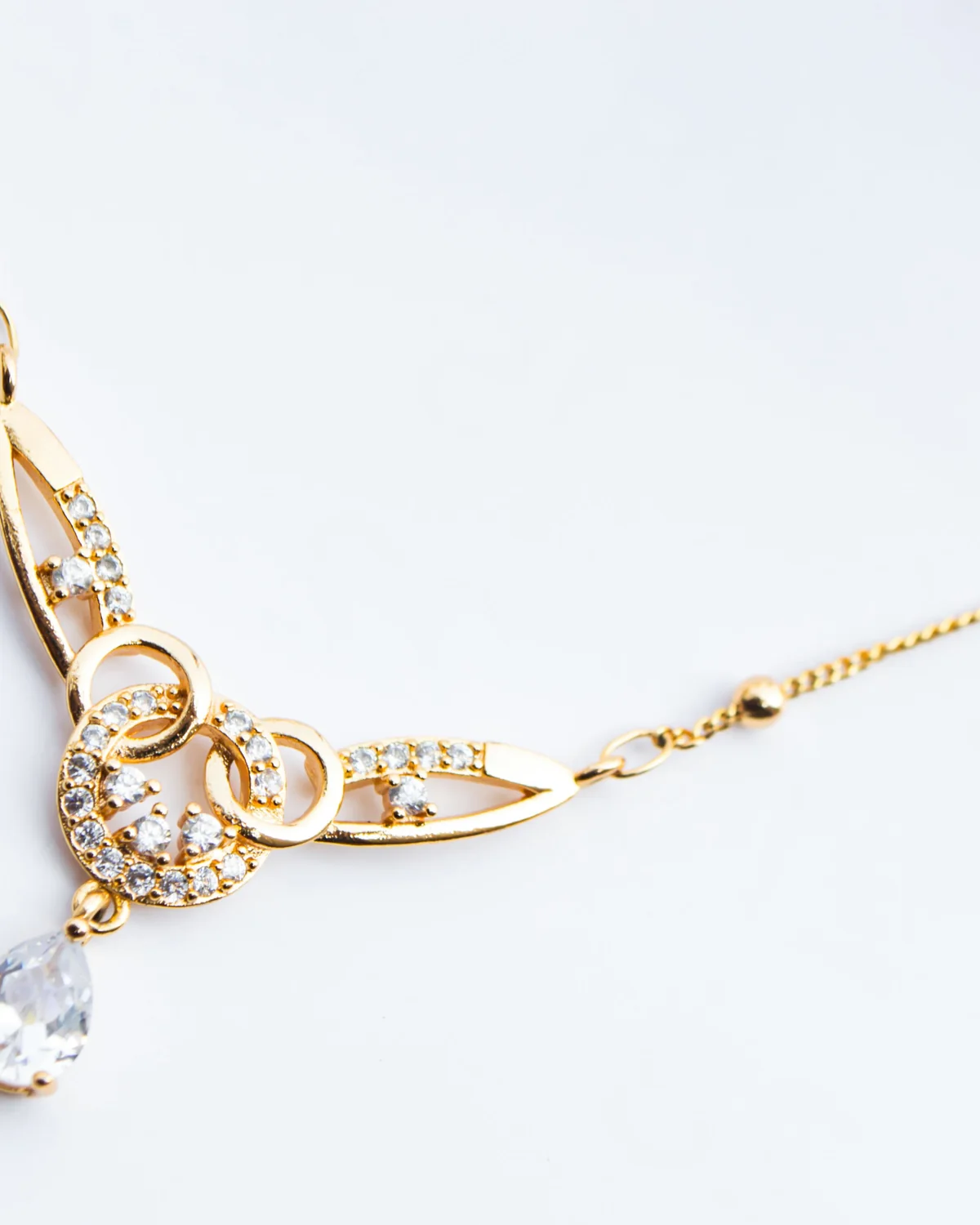

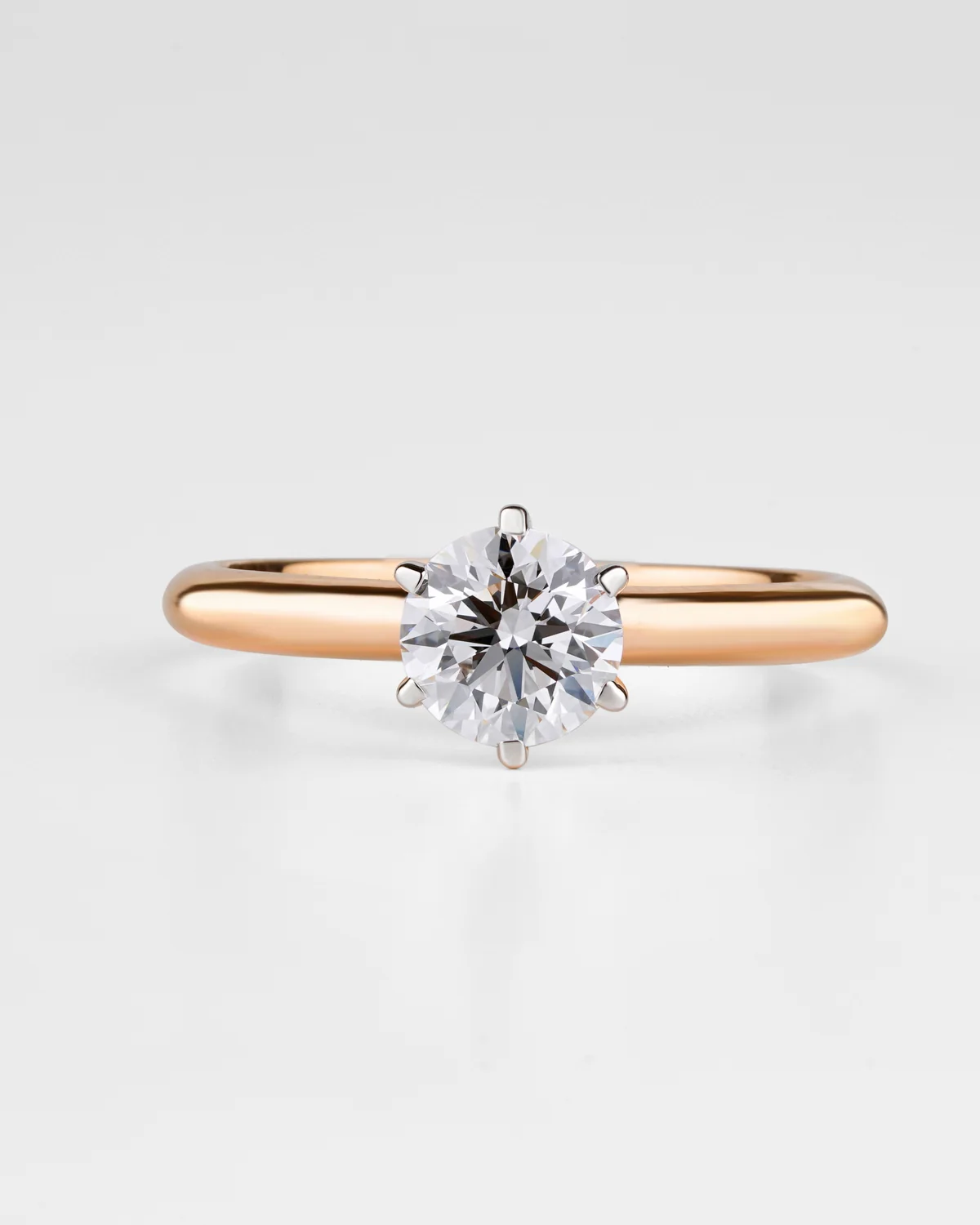
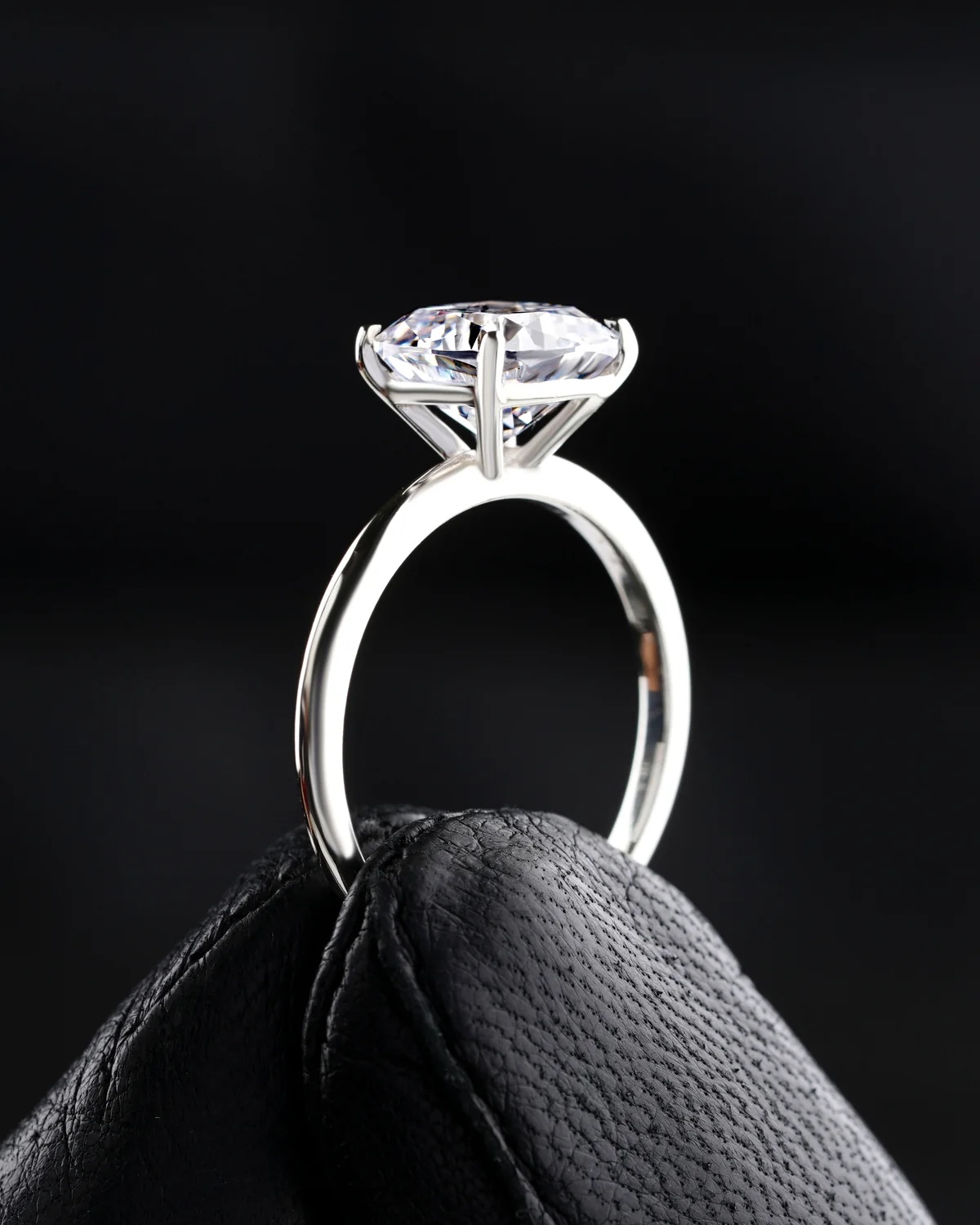
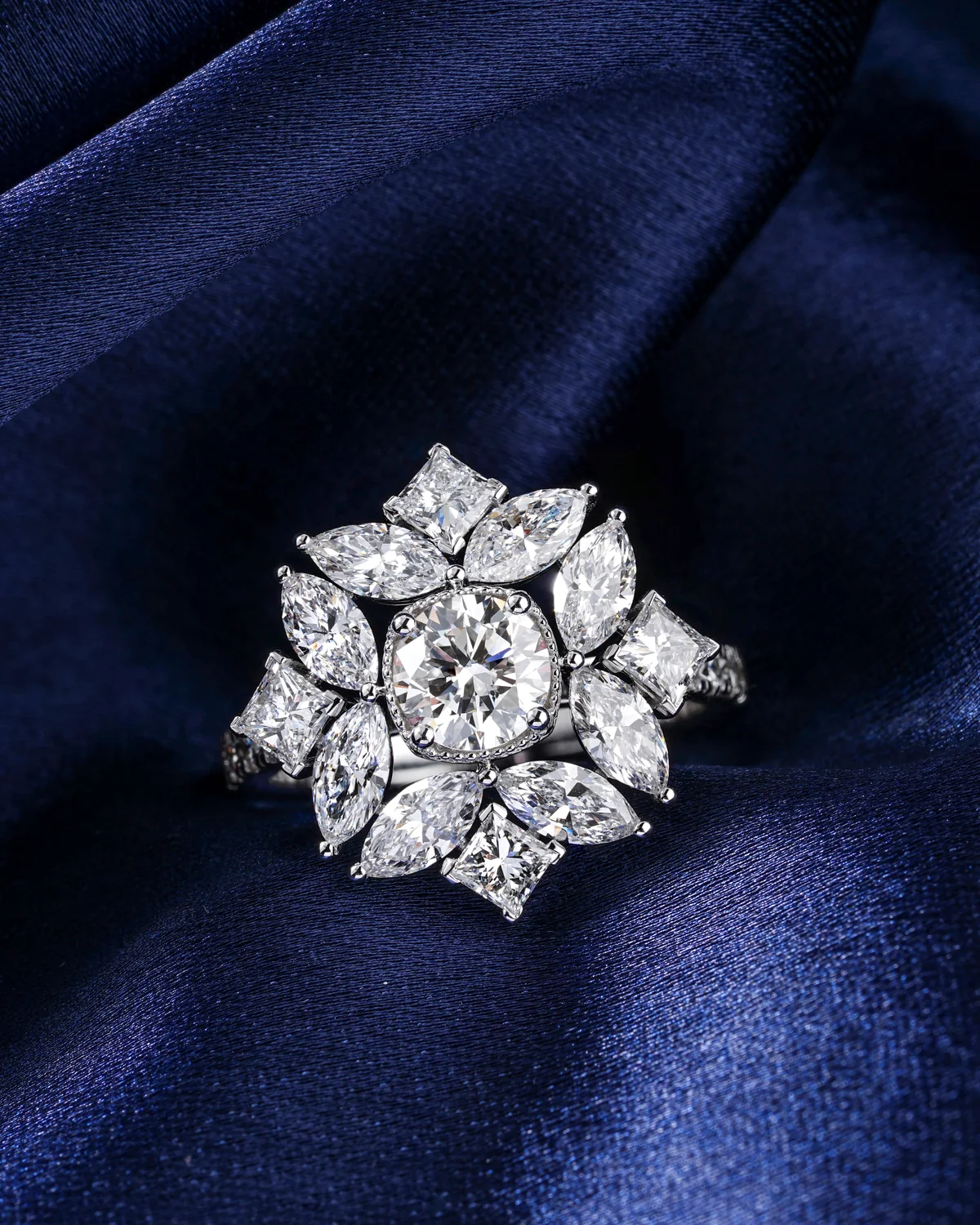
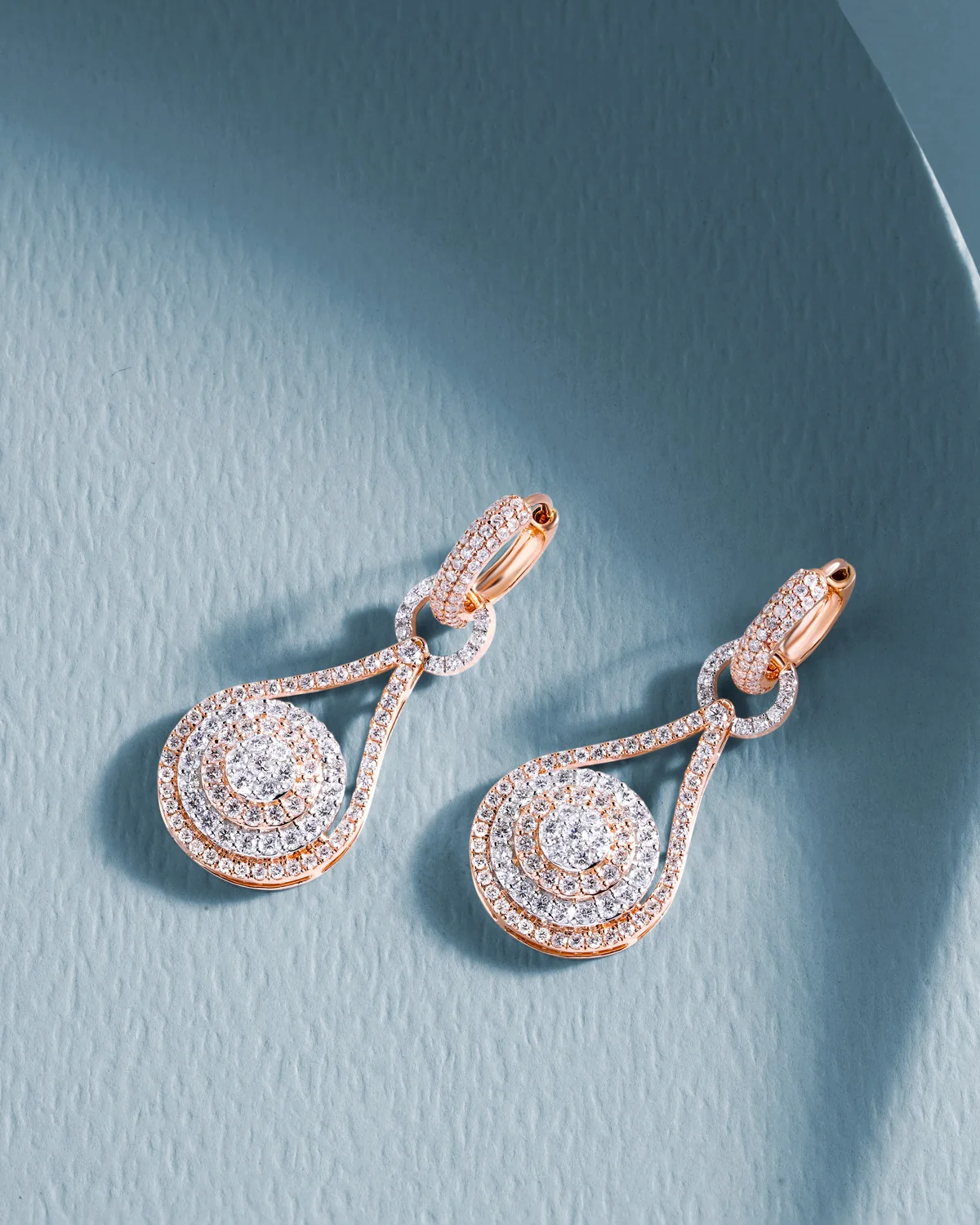
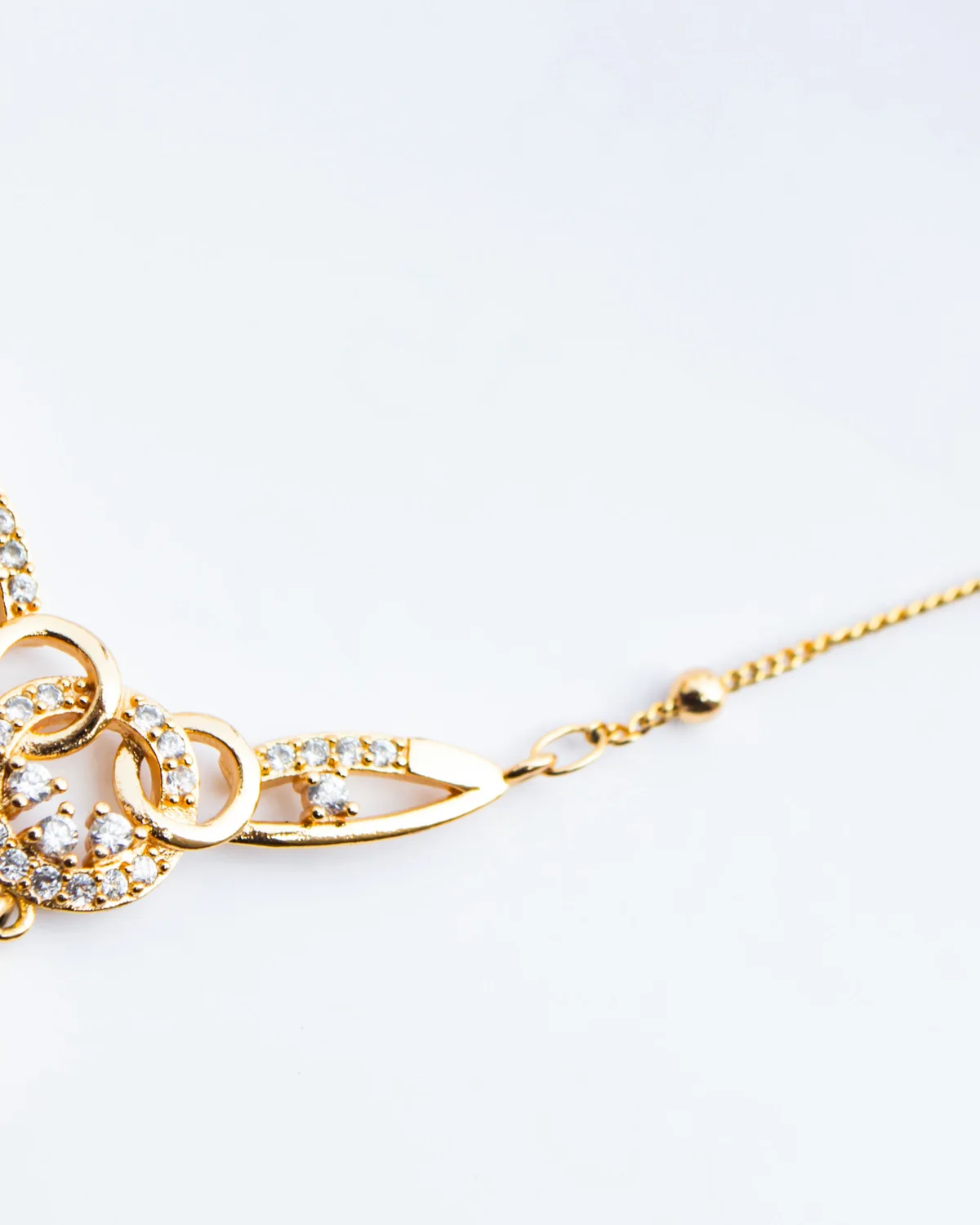
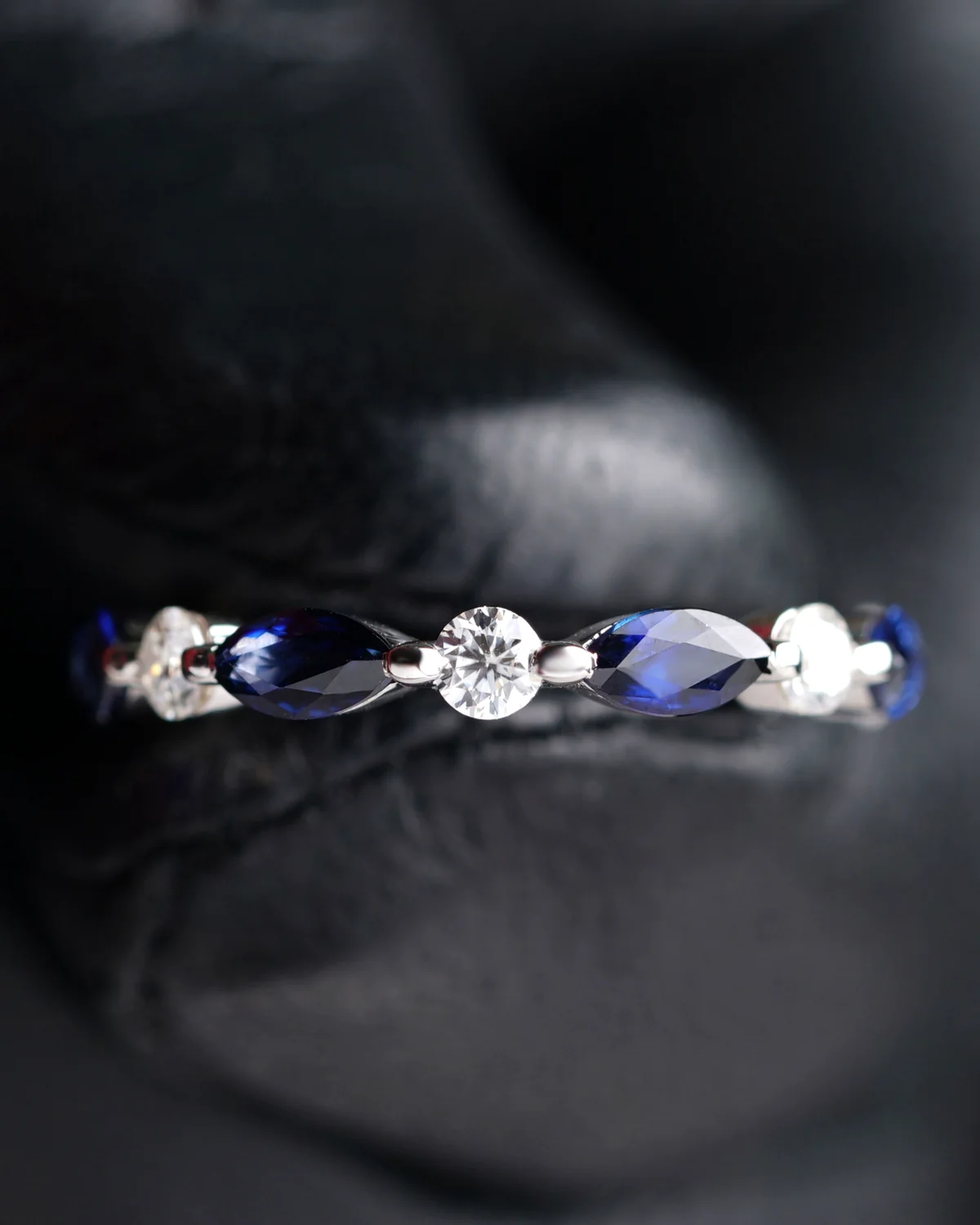
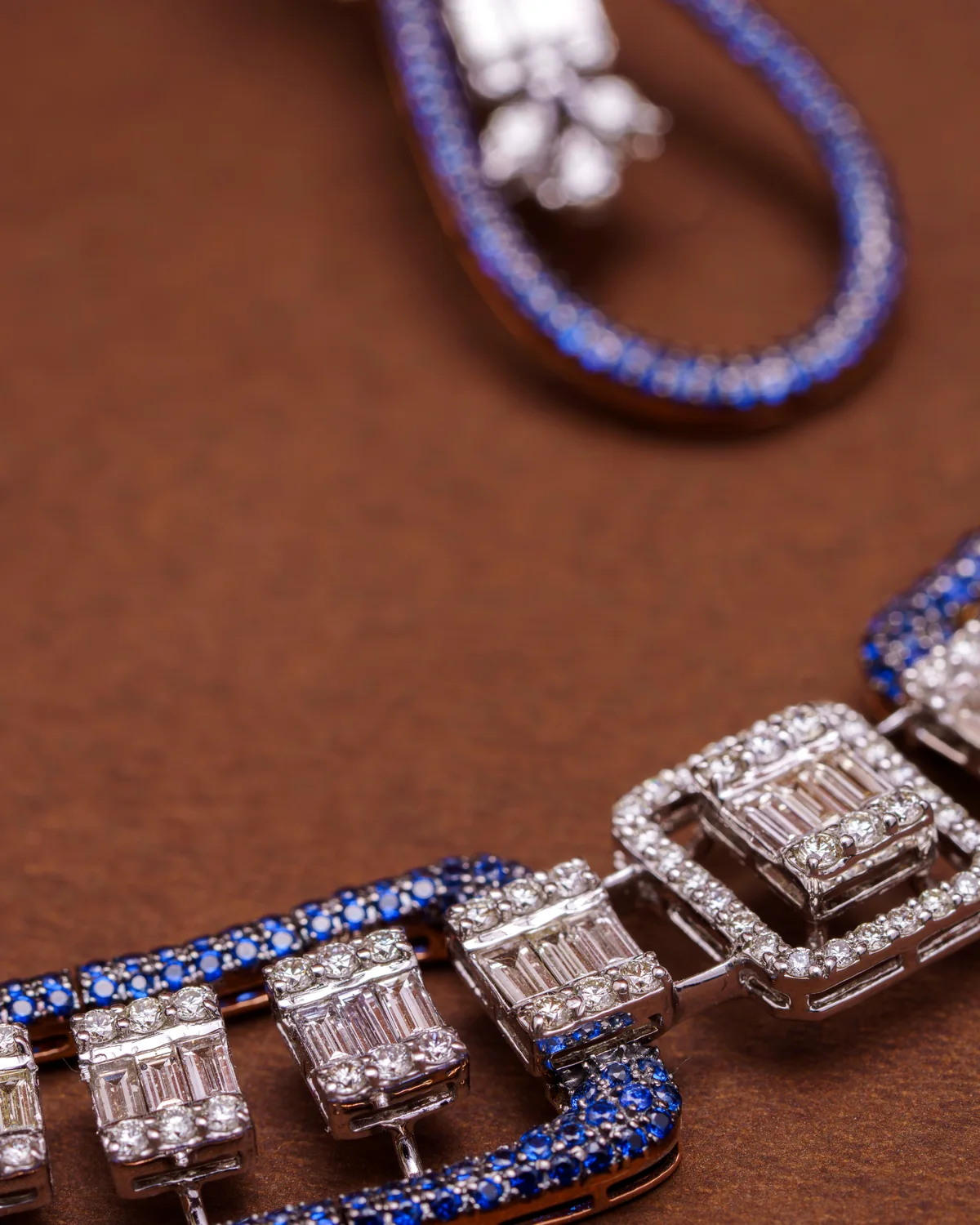
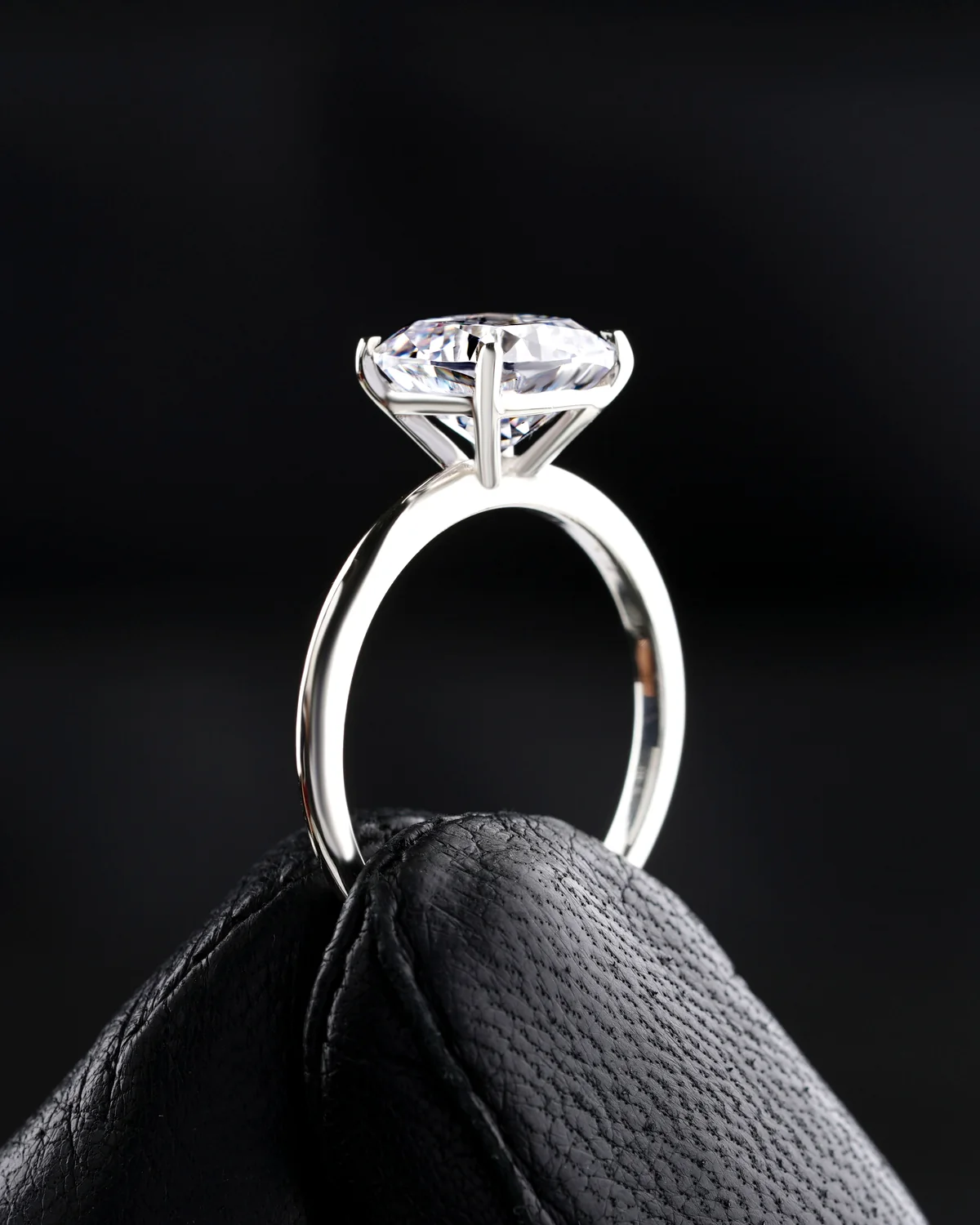
Loose Diamonds brings together jewellery discovery, practical education and a clear path into professional consultation. The page is designed to help a customer understand the decision before committing to a particular stone or construction.
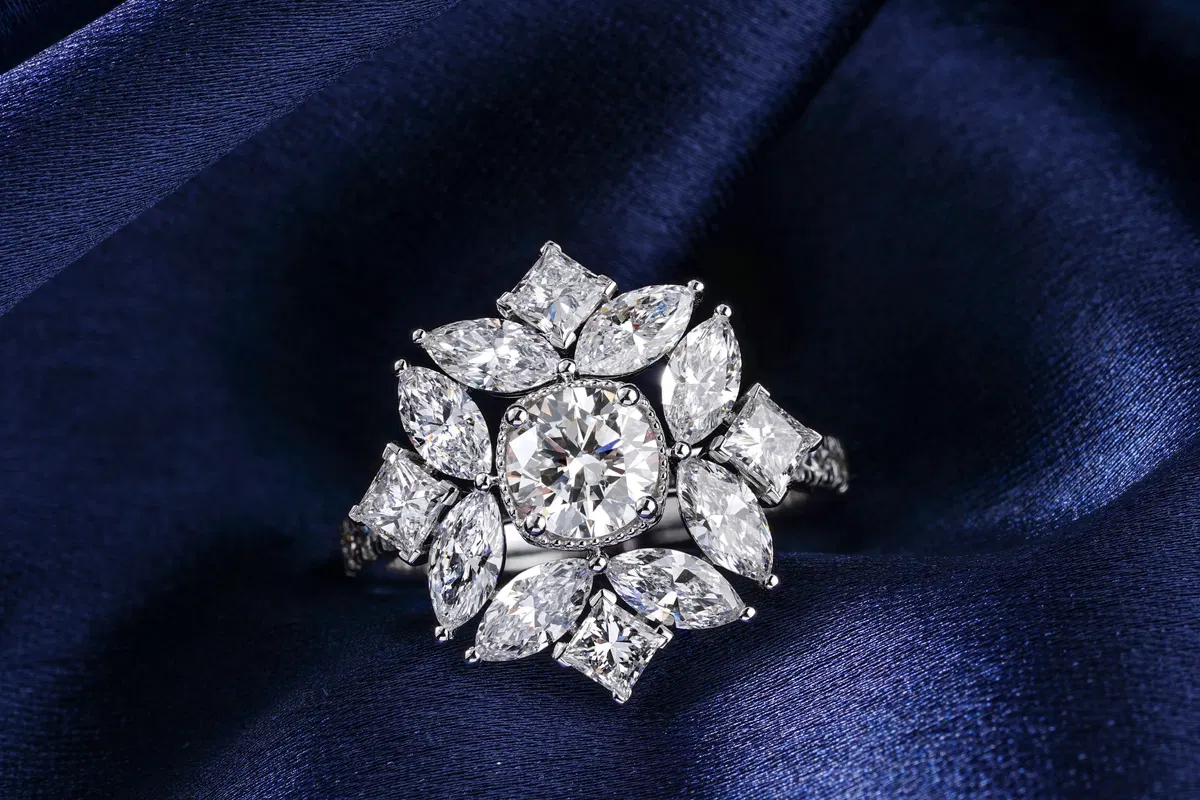
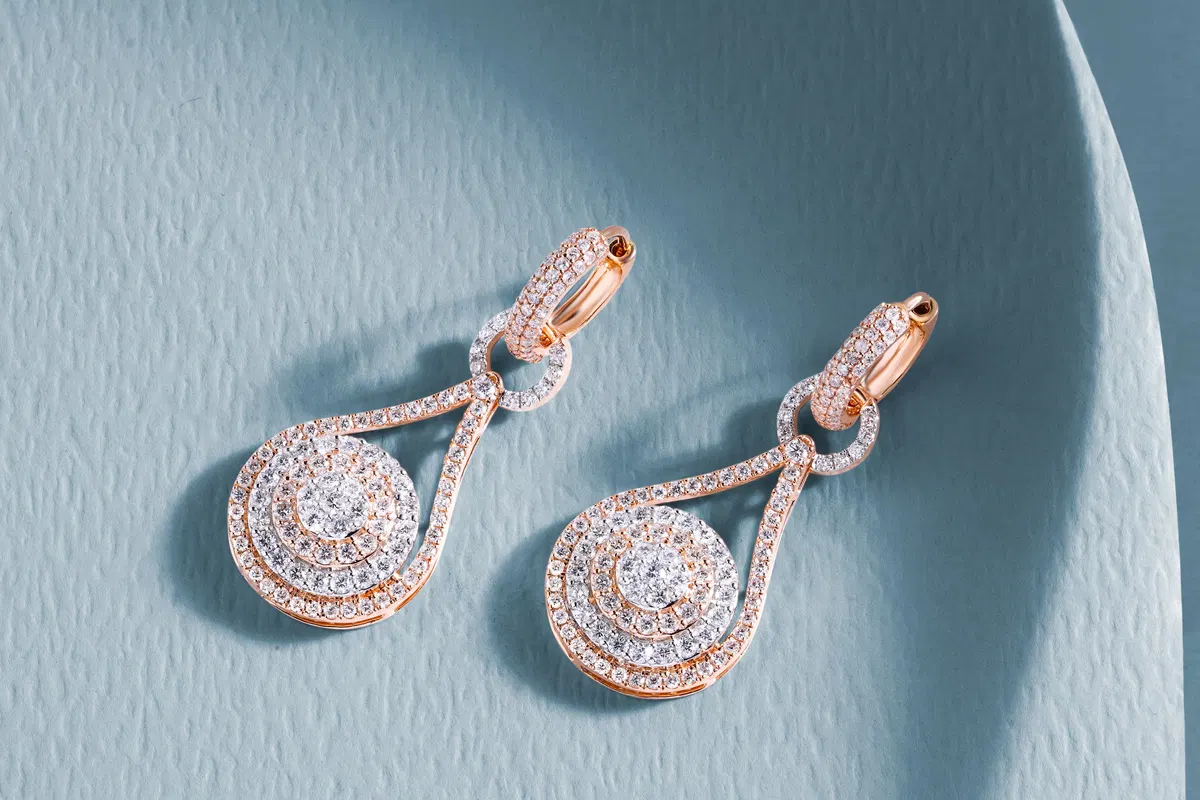
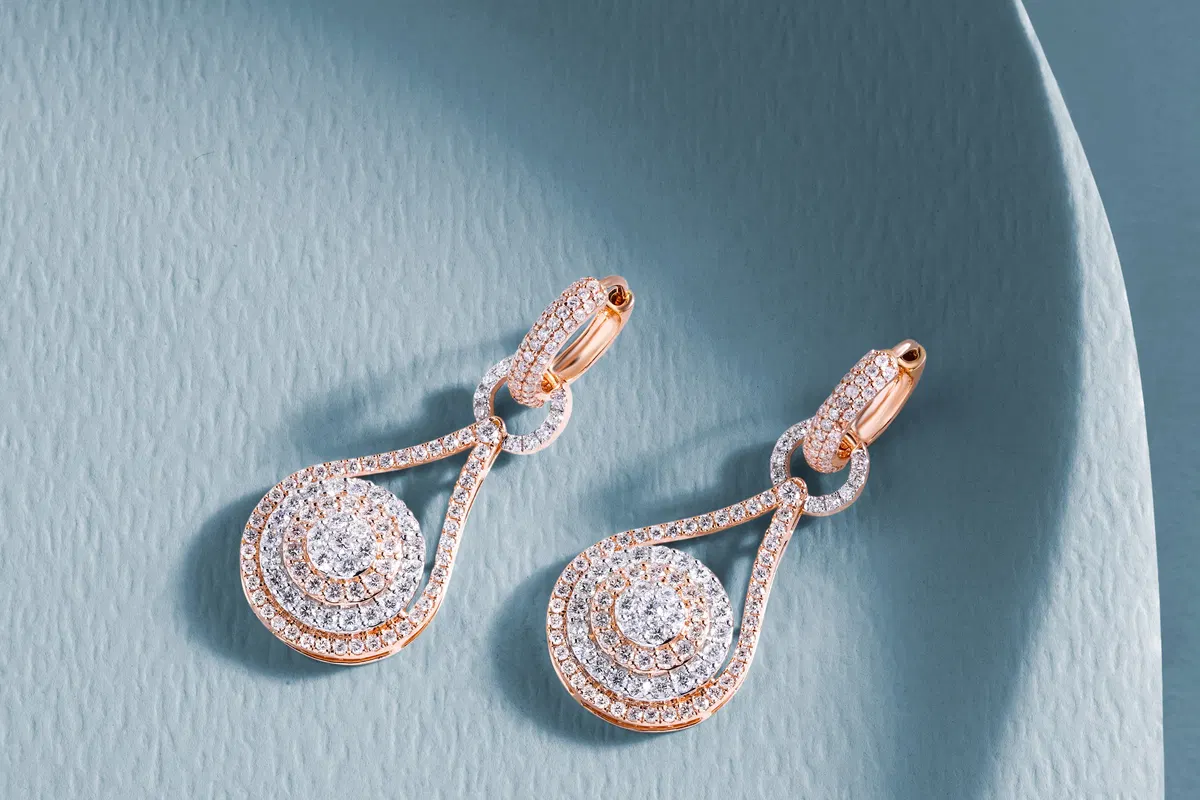
Understanding Loose Diamonds
Loose Diamonds is presented through clear material, design, pricing and ownership information. Diamond Kingdom separates what can be confirmed online from what requires an exact stone, measurement or manufacturing review. This allows customers to begin confidently without mistaking a generic catalogue description for a final bespoke specification.
How to compare options
Compare visual appearance, durability, certification, treatment disclosure, metal, construction and future service rather than selecting on one headline number. The platform provides guided choices for new buyers and deeper specifications for experienced collectors.
Design and personalisation
Original Diamond Kingdom designs can be adjusted through stone family, metal, scale, setting, engraving and occasion. A jeweller validates the final combination before CAD approval so that aesthetic changes do not create avoidable manufacturing or wear problems.
Pricing and availability
Ready-to-ship pieces may use a fixed price. Configurable and bespoke pieces show a starting estimate until the exact stone, metal weight, manufacturing route, certification, delivery and applicable charges are confirmed.
Care and lifetime ownership
Every finished jewel should include material and stone information, care guidance, realistic resizing limits and a service record. These details support inspection, insurance, restoration and future inheritance.
Begin the journey
Use the Jewellery Finder, browse relevant designs or book a consultation. The next step is a documented brief rather than an immediate manufacturing commitment.
Questions to ask before purchase
Ask whether the stone is natural, laboratory-grown or imitation; whether treatment is present; what report accompanies it; how the setting protects the stone; whether the piece can be resized; what the estimated completion time is; and which aftercare services are realistically available in your location.
A practical comparison checklist
Before deciding on Loose Diamonds, compare the exact object rather than only the category name. Record the stone identity, natural or laboratory-grown status, treatment, dimensions, certificate wording, face-up appearance, metal fineness, estimated finished weight, setting profile, production time, resizing limits, warranty and aftercare. Ask which elements are fixed and which are estimates. Save photographs and the approved specification in one place so that later changes can be checked against the original brief. A strong decision is not the option with the longest specification; it is the option whose visible beauty, durability, meaning and cost are aligned with the wearer.
How Diamond Kingdom turns research into a commission
The next step after researching Loose Diamonds is a short discovery brief. It captures occasion, wearer, style, preferred colour, lifestyle, investment range, deadline and any customer-owned material. A jeweller then removes unsuitable combinations, explains the remaining trade-offs and prepares a stone shortlist or design direction. Visual concepts are labelled as concepts until exact geometry is confirmed. The approved CAD records dimensions and construction, after which the workshop confirms manufacturing and quality-control stages. This controlled sequence keeps the digital experience creative while preventing an attractive image from being mistaken for a safe production file.
Practical ownership considerations
This page also explains the practical questions that often appear after the first visual choice: how the stone will be secured, how high the setting should sit, whether a wedding band can fit beside it, which maintenance is realistic, and what information should be preserved for insurance or future restoration. These details are considered before production rather than left for the customer to discover later.
What should be documented
A documented order summary should identify the chosen material, exact gemstone or diamond, measurements, treatment wording, certificate reference, approved design version, estimated completion date, delivery method and aftercare commitments. Keeping these details together protects both the customer and the workshop and makes later servicing far more accurate.
A disciplined final comparison
When a decision still feels uncertain, compare no more than three realistic options and write down the reason each remains under consideration. Use the same lighting, scale reference and cost basis for every comparison. Ask the jeweller to identify the visible benefit of every upgrade and the practical consequence of every compromise. This disciplined comparison is more useful than opening more browser tabs or collecting additional specifications without a clear decision rule.